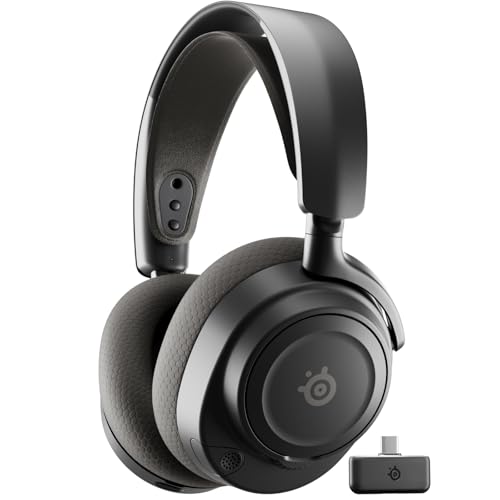
Wired or Wireless Gaming Headset: Which Fits Your Setup?
For most players a wired gaming headset is the safer buy, since it adds no latency, never needs charging and gives more sound for the money. Choose wireless if freedom to move away from your desk matters more than saving money, and you do not mind charging it. Both can sound excellent today.
The wired versus wireless question used to be easy, because early wireless headsets added noticeable lag and sounded thin. That has changed. Modern low latency wireless closed most of the gap for gaming, so the decision now comes down to how you play and what you value rather than raw performance.
This comparison looks at latency, sound, comfort, battery and cost so you can see which type fits your setup. If you want specific models, our roundup of the best gaming headsets covers strong picks in both camps.
The short version
A wired headset wins on simplicity, price and never running out of power. A wireless headset wins on freedom of movement and a tidy desk with no cable to catch. Here is the quick split:
- Choose wired if: you play at a fixed desk, want the most sound per dollar, or never want to think about charging.
- Choose wireless if: you like to get up and move, hate cable clutter, or use the headset around the house as well as at the desk.
Latency: does wireless still lag?
Latency is the delay between a sound happening and you hearing it, and it is the concern that keeps players on wired headsets. A dedicated wireless dongle using a low latency connection is fast enough that most people cannot notice any delay in normal play, which is a big improvement over older gear.
Standard Bluetooth is a different story, since it adds enough delay to feel out of sync in fast games, so it is better suited to music and calls than competitive play. If you buy wireless for gaming, prioritise a model with its own dongle rather than relying on Bluetooth alone. A wired connection, of course, has effectively zero delay, which is why cautious competitive players still prefer it.
Sound quality for the money
At the same price, a wired headset usually sounds better, because none of your money goes toward a wireless chip, a battery or a dongle. Put simply, more of the cost is spent on the parts that make sound.
That does not mean wireless sounds bad. A good wireless headset sounds great, you just pay a little more to reach the same level. If you care most about audio quality on a set budget, wired stretches your money further. If you have already decided sound is good enough on both, the choice shifts to convenience, which is exactly where wireless pulls ahead. For a fuller look at what to prioritise, see our guide on how to choose a gaming headset.
Comfort and freedom of movement
This is where wireless clearly pulls ahead. With no cable, you can lean back, grab a drink, step away to answer the door or move to the sofa without pulling anything off your head. There is nothing to snag on your chair or tug when you turn.
A wired headset ties you to the length of its cable and where it plugs in. For many players that is a minor thing they forget about, but if you tend to move around, the freedom of wireless is the single biggest reason to choose it. Wireless models also tend to be a touch heavier because of the battery, so weigh that against the comfort of no cable.
Battery life and downtime
A wired headset has no battery, so it is always ready and never dies mid game. That reliability is its quiet advantage. A wireless headset runs until the battery is flat, then needs charging, and forgetting to charge it is the most common frustration owners report.
The best wireless models soften this in two ways: long battery life that easily covers a full day, and the option to plug in and keep playing on a cable while charging. If a headset can do that, the worst part of the wireless downside disappears. Battery health also fades slowly over years of use, one of several long term issues covered in common gaming headset problems.
Cost and which should you buy
A wired headset almost always costs less for the same sound and comfort, because there is no wireless hardware to pay for. A wireless headset costs more upfront, and that money buys convenience rather than better audio at that price.
For the average player at a desk, a wired headset is the sensible first choice: cheaper, simpler and always ready. Choose wireless if the freedom to move genuinely fits how you play and you are happy to charge it. Some people keep a wired backup for the days they forget. If you are still deciding on the whole category, our gaming headset vs earbuds comparison is worth a read, and you can browse more options in our Tech & Electronics guides.
Ready to pick one?
Whether you lean wired or wireless, see our current top picks with the trade-offs laid out clearly.
Frequently asked questions
Is wireless gaming headset latency still a problem?
Not with a dedicated low latency dongle, which most people cannot tell apart from wired in normal play. Standard Bluetooth is different and adds noticeable delay, so it suits music and calls more than fast games. For gaming, choose a model with its own dongle.
Do wireless headsets sound worse than wired?
At the same price, wired usually sounds a little better, because none of the cost goes to a battery or wireless chip. A good wireless headset still sounds great, you just pay more to reach the same level. On a tight budget, wired stretches further.
Do professionals use wired or wireless headsets?
Many competitive players still prefer wired for its zero latency and one less thing to fail mid match. Plenty of others use low latency wireless without issue. For casual and most competitive play, either works well now, so it comes down to preference.
How long do wireless gaming headsets last on a charge?
Good models comfortably cover a full day of play and often much longer. The most useful feature is the ability to plug in and keep playing while charging, which removes the risk of the headset dying in the middle of a session.
Can I use a wireless headset wired too?
Many wireless headsets include a 3.5mm cable so you can play wired when the battery is low or when you want zero latency. Not all do, so if that flexibility matters to you, check for a wired option before buying.
Is wired or wireless better value?
Wired is better value if you judge by sound and comfort per dollar, since there is no wireless hardware to pay for. Wireless is better value if the freedom to move is worth the extra cost to you. Decide which matters more before you shop.
Marcus Chen
Marcus covered consumer electronics for enthusiast tech publications for six years before joining ChoiceCrest. He specializes in translating manufacturer spec sheets into plain-language buying advice, with a focus on audio, computing accessories and smart-home gear.
You might also need