How Often Should You Waterproof Canvas Shoes?
Canvas shoes need a fresh waterproofing treatment roughly every 4 to 8 weeks of regular wear, or any time water stops beading on the surface and starts soaking in instead. The exact interval depends on how often you wear them, how much abrasion the fabric takes, and whether you clean them in a way that strips the coating off.
Why canvas loses water resistance so fast
Canvas is a woven cotton or cotton blend fabric, and unlike synthetic ripstop or coated nylon, it has no inherent water resistance. Any repellency comes entirely from a topical treatment, usually a silicone or fluoropolymer based spray that coats individual fibers without clogging the weave shut. That coating wears down from flexing, rubbing against the opposite shoe, dirt grinding into the fibers, and simple sun exposure, which is why canvas sneakers that beaded water happily in spring often soak through by midsummer with heavy daily wear.
The simple test that beats a calendar
Rather than guessing on a fixed schedule, flick a few drops of water onto the shoe’s upper. If the drops sit up and roll off, the coating is still working. If they flatten out and start darkening the fabric within a few seconds, the treatment has worn through and it is time to reapply, regardless of whether that happens after three weeks or three months.
How wear pattern changes the timeline
Someone wearing canvas shoes daily through rain and puddles will burn through a waterproofing layer in a matter of weeks, while shoes worn occasionally for dry errands can go most of a season on one application. Walking through wet grass, mud, or gravel accelerates wear on the coating far more than flat dry pavement, since abrasion physically scrubs the repellent off the fibers.
Washing strips the coating every time
Machine washing or scrubbing canvas shoes with soap removes most waterproofing treatments completely, since the same surfactants that lift dirt also lift the silicone or fluoropolymer coating. That means every wash, however gentle, should be followed by letting the shoes fully dry and then reapplying spray before the next wear in wet conditions, not just when the shoes start looking worn.
Spray technique actually matters
Even a fresh can of waterproofing spray underperforms if applied wrong. The shoe needs to be clean and completely dry first, since trapped moisture or dirt prevents the coating from bonding to the fibers. Two light, even coats with drying time between them outlasts one heavy, drenching coat, which tends to pool in the seams and leave thin spots elsewhere on the upper.
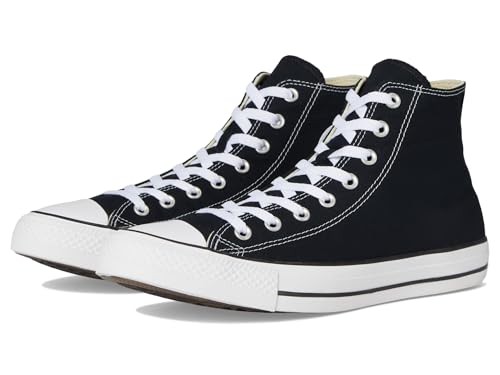
Converse Chuck Taylor All Star Canvas Sneaker
The classic canvas shoe that this kind of waterproofing treatment is most commonly used on.

Kiwi Camp Dry Heavy Duty Water Repellent
A widely used fabric waterproofing spray made specifically for canvas and other porous shoe uppers.
Frequently asked questions
Can you waterproof canvas shoes before wearing them the first time?
Yes, and it is one of the more effective times to do it, since factory fresh canvas has no dirt or oils blocking the spray from bonding evenly to the fibers.
Does waterproofing spray change the color of canvas shoes?
Most silicone and fluoropolymer sprays are formulated to dry clear, though very light colored canvas can sometimes show a faint sheen until the coating fully cures over a day or two.
Why do my canvas shoes still get wet right after spraying them?
The spray needs time to cure, usually several hours to a full day depending on the product, so wearing the shoes into water immediately after application can soak through before the coating has set.
Is silicone spray or fluoropolymer spray better for canvas?
Fluoropolymer based sprays tend to breathe better and last slightly longer on fabric uppers, while silicone sprays are often cheaper and widely available, but both work reasonably well on canvas when reapplied on schedule.
Can you use the same waterproofing spray on leather and canvas shoes?
Many general fabric and leather protector sprays are labeled for both, but leather specific waxes can clog canvas pores and make the fabric stiff, so it is worth checking the label specifically mentions canvas or fabric uppers.
Does waterproofing canvas shoes make them less breathable?
Slightly, since the coating partially fills the spaces between fibers, though a properly applied light coat has a minor enough effect that most wearers do not notice a real difference in breathability.
Will waterproofing spray stop canvas shoes from getting soaked in heavy rain?
No, it resists splashes and light rain by making water bead and roll off, but no canvas shoe treatment is a substitute for a genuinely waterproof boot if you are walking through standing water or a downpour.
Can old, dirty canvas shoes be waterproofed without washing them first?
Not effectively, since dirt and oils sitting on the fibers block the spray from reaching and bonding to the fabric, so a clean, dry shoe is a requirement for the treatment to work at all.
How long should you wait after washing canvas shoes before spraying them?
Let them air dry completely first, which usually takes at least a full day indoors, since trapping moisture under a fresh coating can lead to a musty smell and uneven repellency.
Do canvas shoes need waterproofing in dry climates?
It is less urgent, but a light treatment still helps with stain resistance against spills, dew, and the occasional unexpected wet sidewalk, not just outright rain.
Can you waterproof canvas shoes with household items instead of a spray?
Some people use diluted fabric wax or a beeswax rub, but these generally perform worse and feel stiffer than a purpose made spray, so they are more of a stopgap than a real substitute.
Does sun exposure break down waterproofing coatings faster?
Yes, UV exposure degrades the chemical bonds in most repellent coatings over time, which is one more reason shoes worn outdoors regularly need more frequent reapplication than shoes kept mostly indoors.
Is it normal for the toe area to lose waterproofing faster than the rest of the shoe?
Yes, the toe box flexes the most with every step and often brushes against surfaces first, so it typically wears through its coating before the sides or heel do.
Can waterproofing spray damage canvas shoelaces or rubber soles?
Most sprays are safe on both, though it is worth avoiding heavy saturation directly on rubber soles since some solvent based products can leave a slight residue or sheen there over repeated use.
Do waterproofed canvas shoes dry faster if they do get wet?
Somewhat, since less water penetrates the fabric in the first place, but once water does get past the coating, canvas still dries at roughly the same rate as untreated canvas because the fibers themselves are not changed.
Should you waterproof canvas shoes indoors or outdoors?
Outdoors or in a well ventilated area is strongly recommended, since aerosol waterproofing sprays release fumes that are unpleasant and potentially irritating to breathe in an enclosed space.
Does the brand of canvas shoe affect how well waterproofing spray adheres?
Not significantly, since most canvas uppers use a similar cotton weave regardless of brand, so the spray’s own formulation matters far more than which shoe brand it is being applied to.
Can you tell waterproofing has worn off just by looking at the fabric?
Not reliably by sight alone, since a worn coating often looks identical to a fresh one until you actually test it with water, which is why the bead test is more trustworthy than a visual inspection.
Where this leaves you
Waterproofing canvas shoes is not a one and done job, it is maintenance that tracks how hard the shoes get used. Watch how water behaves on the surface rather than counting weeks on a calendar, and reapply after every wash, since that is the one event guaranteed to strip whatever coating was there before.
Priya Nathan
Priya spent years in apparel buying and merchandising for a multi-brand retailer before moving into editorial work. She focuses on fit, fabric and construction quality across everyday wear, activewear and accessories, reading past marketing copy to the details that affect how a garment actually wears and holds up.


