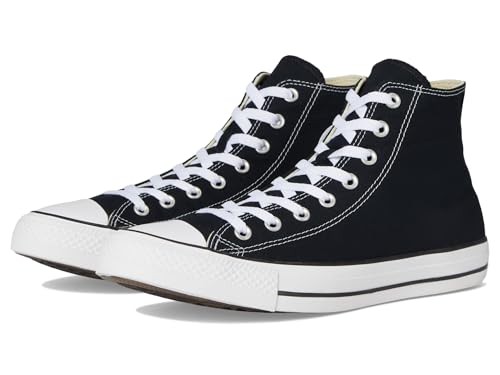
How Often Should You Rotate Dress Shoes for Longevity?
Ideally, a pair of leather dress shoes should rest at least 24 to 48 hours between wears, which in practice means owning at least two or three pairs if you wear dress shoes daily and rotating between them rather than wearing one pair every single day. That rest period lets the leather and internal moisture fully dry out, which matters more for long-term durability than most people realize.
Why resting time matters more than people think
Feet release moisture into shoes throughout the day, and leather absorbs that moisture into its fibers. If a shoe goes straight back on the next morning before it has fully dried out, the leather stays damp longer, which accelerates breakdown of the fibers and can lead to cracking, odor, and a shortened lifespan for both the leather upper and the insole.
What actually happens to a sole during rest
Leather soles in particular benefit from rest because the sole material compresses under body weight throughout a wearing day and needs time to decompress and dry before compressing again. A sole that’s never given time to fully recover tends to wear unevenly and break down faster at pressure points like the heel strike and ball of the foot.
How cedar shoe trees fit into the rotation
Inserting a cedar shoe tree immediately after taking shoes off helps on two fronts at once: it holds the leather’s shape while it’s cooling and drying, preventing creasing from setting in permanently, and cedar wood actively absorbs some of the residual moisture and odor from the day’s wear. Shoes rested with a tree inside dry out meaningfully faster than shoes left bare on a closet floor.
Does rotation matter as much for rubber-soled dress shoes
Less so for the sole material itself, since rubber doesn’t absorb and release moisture the way leather does, but the leather upper on a rubber-soled dress shoe still benefits from the same rest and drying logic. The sole durability argument is weaker for rubber, but the upper leather argument still applies.
How weather and climate change the rotation math
In humid climates or rainy seasons, shoes take longer to fully dry out internally, so the practical rest window might need to stretch to two or three days rather than one. In dry climates, 24 hours is often genuinely enough for a shoe to be ready to wear again without compromising the leather.
What rotating actually buys you in total lifespan
A well made pair of leather dress shoes that’s properly rotated and rested can often be resoled and kept in service for a decade or more, while the same pair worn daily without rest frequently needs sole and leather replacement or full retirement within two to four years, simply because the material never gets a chance to recover between wears.

Allen Edmonds Park Avenue Oxford
A classic leather-soled dress oxford often cited as a shoe worth rotating and resoling over years rather than replacing outright.
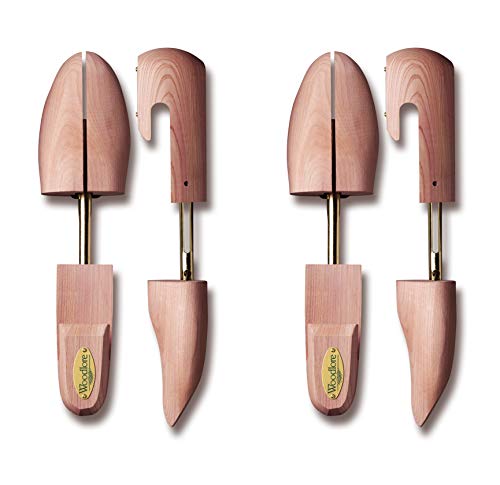
Woodlore Cedar Shoe Trees
Solid cedar shoe trees used between wears to hold shape and absorb moisture while a pair of dress shoes rests.
Frequently asked questions
Is it really necessary to own multiple pairs of dress shoes to rotate?
For daily wearers, yes, at least two pairs make a meaningful difference in longevity, since a single pair worn every day never gets the drying time that slows leather and sole breakdown.
Does rotating sneakers matter the same way as dress shoes?
The same drying and recovery logic applies to any shoe with absorbent materials, though sneakers with synthetic uppers and foam midsoles are generally less sensitive to daily wear than leather dress shoes are.
How long should a cedar shoe tree stay in a shoe between wears?
Leaving it in for the full resting period, generally at least a day, gives the cedar time to draw out moisture, though it can also just stay in until the next time you plan to wear the shoe.
Can you speed up drying time with a shoe dryer or fan?
Yes, a low-heat shoe dryer or simply placing shoes near airflow can shorten the natural drying window somewhat, though high heat sources like a radiator or hair dryer risk damaging the leather and should be avoided.
Does rotating shoes actually prevent creasing across the toe box?
Rotation alone doesn’t prevent creasing, since creasing comes mainly from how the foot flexes during walking, but using a shoe tree during the rest period does help the leather set back into shape rather than keeping a permanent crease.
Is it worth resoling an old pair of dress shoes instead of buying new?
For a well constructed pair with a leather or Goodyear welted sole, resoling is often cheaper than replacing the whole shoe and extends its life significantly, assuming the upper leather itself is still in good shape.
Does wearing the same pair of dress shoes in rain shorten its lifespan faster?
Yes, water exposure without proper drying time afterward accelerates leather breakdown considerably more than normal daily moisture from foot sweat does.
Can you rotate between a leather sole and a rubber sole dress shoe interchangeably?
Yes, many people do this specifically to extend leather sole life, wearing the rubber-soled pair on wet or heavy-walking days and saving the leather sole pair for lighter use.
Does insole quality affect how often shoes need rotation?
A higher quality, moisture-wicking insole can somewhat reduce how damp a shoe gets during a day, which may stretch the rest period slightly, though it doesn’t eliminate the need for rotation entirely.
Is a shoe rotation schedule different for shoes worn only occasionally, like for events?
Occasional wear shoes don’t need a strict rotation schedule since they naturally get long rest periods between uses, but they still benefit from a shoe tree during storage to maintain shape.
How many total pairs of dress shoes does a daily office worker realistically need?
Three pairs in steady rotation is a common sweet spot, giving each pair roughly two days of rest for every one day worn, which is comfortably within the ideal recovery window.
Does rotating shoes help prevent odor buildup as much as it helps the leather?
Yes, letting a shoe fully dry out between wears is one of the most effective ways to prevent the bacterial buildup that causes persistent shoe odor over time.
Do suede dress shoes need the same rotation schedule as smooth leather?
Suede also benefits from rest and drying time, though it’s generally more sensitive to moisture overall and should be brushed clean of debris during the resting period as well.
Does storing dress shoes in their original box affect rotation needs?
Storage in a box doesn’t change the drying need itself, but a breathable box or open shelf allows better air circulation during the rest period than a fully sealed container would.
Can a shoe be ruined by skipping rotation for just a short period, like a week?
A single week of daily wear without rotation is unlikely to cause lasting damage on its own, but it’s the cumulative pattern over months and years of skipped rest that drives the real difference in long-term durability.
Does rotating dress shoes help prevent toe box creasing as much as using a shoe tree does?
Rotation alone gives leather time to dry and settle, but a shoe tree inserted during that rest period does more of the actual work of holding the toe box shape and preventing permanent creasing.
Is it worth buying a third pair of dress shoes just to extend a rotation, or is two enough?
Two pairs already provide a meaningful rest benefit over wearing one pair daily, but a third pair stretches the recovery window even further and is worth considering for someone wearing dress shoes five or more days a week.
Does rotation matter less for shoes with a fully synthetic upper instead of leather?
Yes, somewhat, since synthetic uppers don’t absorb and need to release moisture the way leather does, though the sole material underneath can still benefit from recovery time regardless of the upper material.
Our take
The rotation habit isn’t about having a bigger shoe collection for its own sake, it’s about giving leather and soles the drying time they need to survive years of wear instead of a couple of seasons. Two or three pairs in steady rotation, with a cedar tree in whichever pair is resting, is a realistic and effective routine for most daily dress shoe wearers.
Priya Nathan
Priya spent years in apparel buying and merchandising for a multi-brand retailer before moving into editorial work. She focuses on fit, fabric and construction quality across everyday wear, activewear and accessories, reading past marketing copy to the details that affect how a garment actually wears and holds up.