How Often Should You Trim a Bird’s Nails?
Most pet birds need a nail trim roughly every four to six weeks, though the real interval depends heavily on the perches already in the cage, since rough or textured perches wear nail tips down naturally between trims. A bird with only smooth plastic or wooden perches will need trimming far more often than one with a mix of natural branch and concrete or sand-textured perches.
Why nail length matters more for birds than it might seem
Overgrown nails change how a bird grips a perch, which can affect balance and even contribute to pressure sores on the feet over time. Long nails are also more likely to snag on cage bars, toys or fabric, which can cause a painful nail tear that is far worse than a routine trim.
What natural perch texture actually does
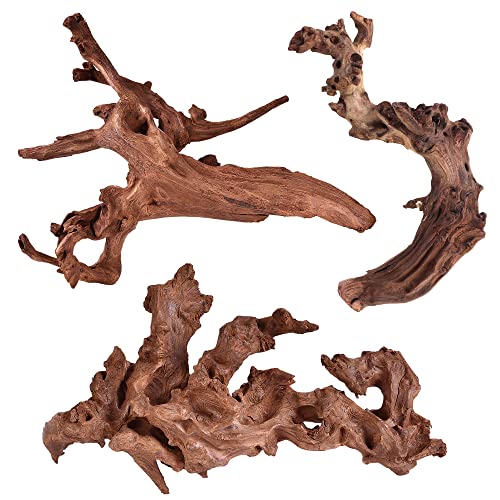
A varied mix of perch diameters and surfaces, like natural wood branches with irregular bark, keeps nail tips worn down the way a bird’s foot would naturally experience in the wild. Smooth, uniform dowel perches, which come standard in a lot of cages, do almost nothing to wear nails down on their own.
Concrete and mineral perches as a maintenance tool
A concrete, pumice or sand-coated perch placed as one of several perches in the cage, never the only one, gently files nail tips every time the bird stands on it. These perches should occupy only a small portion of available perching space since standing on an abrasive surface constantly can irritate the feet.
Signs a trim is actually overdue
A nail that curls enough to touch the perch when the toe is extended flat, nails that click loudly on hard surfaces, or a bird that seems to struggle gripping a perch it previously used easily are all signs that a trim is overdue rather than just due on schedule.
Why trimming bird nails is riskier than trimming a cat or dog’s
A bird’s nail has a blood supply, called the quick, that runs closer to the tip than it does in most mammals, and birds bleed more dramatically from a nicked quick relative to their tiny body size. This is why many owners trim only the very tip, a small amount at a time, rather than cutting back aggressively in one session.
Stopping a bleeding nail if it happens
Styptic powder pressed directly onto a nicked nail usually stops the bleeding within a minute or two, and keeping a small container of it on hand before attempting any nail trim at home is a basic precaution most experienced bird owners take.

Polly’s Pet Products Pedi Perch
A grooming perch with a textured surface designed to naturally file down nail tips as the bird stands and grips it.

Four Paws Nail Clipper, Small
A small guillotine-style nail clipper sized appropriately for small to medium birds, commonly used alongside styptic powder for at-home trims.
Frequently asked questions
Can a grooming perch fully replace the need for nail trims?
For some birds with light nail growth it can come close, but most birds with grooming perches still need an occasional trim, just less often than a bird using only smooth perches.
Is it normal for a bird’s nails to grow at different rates on each foot?
Yes, uneven wear from favorite perches or a dominant foot used more often for gripping toys can lead to slightly different nail lengths between feet, which is generally nothing to worry about.
Does species size affect how often nails need trimming?
Not dramatically in terms of frequency, though larger parrot species often have thicker, harder nails that some owners find more intimidating to trim and may prefer having a vet or groomer handle.
Can you use regular human nail clippers on a bird?
It is not recommended, since standard human clippers are shaped for flat nails and can crush or split a bird’s curved nail rather than cutting cleanly, increasing bleeding risk.
What does it mean if a bird’s nail looks dark all the way to the tip?
On darker-colored nails the blood supply is harder to see, which makes it more difficult to judge a safe trim length, and this is one reason many owners trim only a tiny bit at a time on dark nails.
Is it safe to trim a bird’s nails without help from another person?
It is possible alone with practice, but having a second person to hold the bird securely while the first person trims makes the process faster, calmer, and reduces the chance of an accidental slip.
Can overgrown nails actually cause foot problems over time?
Yes, nails long enough to change how weight is distributed across the foot can contribute to pressure sores or bumblefoot-like irritation, especially in birds that spend a lot of time on the same perch.
Do outdoor aviary birds need nail trims as often as indoor pet birds?
Often less often, since outdoor aviaries typically offer a wider variety of natural branches and surfaces that wear nails down more effectively than a standard indoor cage setup.
How much nail is actually safe to trim at once?
Generally just the very tip, a sliver at a time, staying well clear of the visible pink quick on lighter nails, and trimming conservatively again in a week or two if more length needs to come off.
Does a bird’s activity level affect nail growth or wear?
Yes, a more active bird that climbs, forages and uses a variety of perches and toys tends to wear its nails down more naturally than a bird that spends most of its time in one spot.
Can styptic powder be used on any bird regardless of size?
Yes, styptic powder is safe across bird sizes, though only a small pinch pressed onto the nail tip is needed, and excess should be brushed off once bleeding stops.
Is filing a safer option than clipping for nervous birds?
Many owners find a nail file or an emery-style grooming perch gentler and lower-risk than clippers for a bird that struggles against being held, since filing removes length more gradually.
Why does my bird’s nail bleed a lot from what looks like a tiny nick?
Birds have a proportionally fast heart rate and high blood pressure relative to their small size, so even a small nick in the quick can produce bleeding that looks more dramatic than it actually is.
Can a vet or groomer trim bird nails instead of doing it at home?
Yes, many avian vets and some groomers offer nail trims, which is a reasonable option for owners who are uncomfortable doing it themselves or have a particularly difficult bird to handle.
Does the type of cage perch material matter more than its diameter?
Both matter, but texture tends to affect nail wear more directly, while diameter mainly affects grip comfort and foot health, so a varied mix of both is the usual recommendation.
Is it bad to trim nails too short?
Yes, cutting too close risks hitting the quick and causing pain and bleeding, and a nail trimmed too short can also temporarily affect how securely the bird grips a perch.
Should nail trims happen on a strict schedule or based on how they look?
A loose schedule as a reminder is useful, but checking nail length and sharpness visually before each trim is more reliable than trimming purely by the calendar, since growth rate varies between birds.
Can changing out perches reduce how often nails need trimming going forward?
Yes, swapping one or two smooth perches for natural branch or textured perches is one of the most effective long-term ways to reduce how often manual trims are needed.
Our take
Trimming is less about a fixed schedule and more about what is already happening inside the cage between trims. A few varied, textured perches do a lot of the work automatically, and checking nail length regularly catches the rest before it becomes a snag risk or a foot problem.
Olivia Hartley
Olivia spent several years working at an animal shelter and a pet-supply retailer before joining the editorial team. She researches pet gear with an emphasis on safety, comfort and the fine print that owners often miss.