How Often Should You Test Soil Before Planting?
For an established garden, testing once a year, a few weeks before your main planting season, is enough to catch pH or nutrient drift before it affects a crop. A brand-new bed, a raised bed filled with purchased soil, or a spot where plants have been struggling for no clear reason are all situations where testing sooner, and sometimes more than once a season, actually pays off.
The baseline schedule for most home gardens
Once a garden has been established for a couple of seasons and nothing unusual is going on, soil chemistry tends to change slowly, so testing once a year before planting, or even once every two to three years, is usually enough to catch meaningful shifts in pH or major nutrients before they affect a crop.
Why new beds need testing sooner and more often
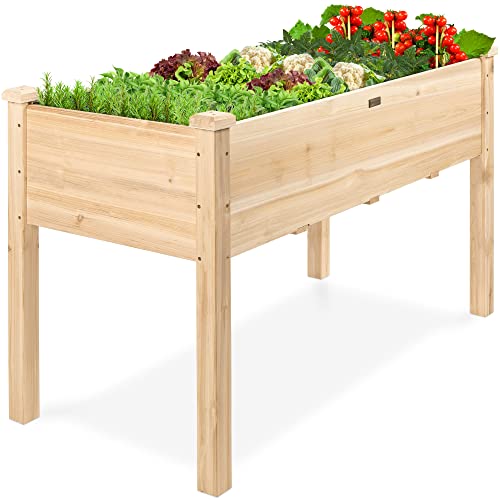
A brand-new raised bed or a freshly dug plot has no track record, and purchased bagged soil or compost can vary a lot between brands and even between bags from the same brand. Testing a new bed before the first planting, and again after the first season, gives you a real baseline instead of guessing at what you’re working with.
What a basic test actually measures versus what it misses
Most home kits and simple meters measure pH and give a rough read on the three major nutrients, nitrogen, phosphorus and potassium. They generally cannot tell you about micronutrients like iron or zinc, or about soil biology such as organic matter breakdown and microbial activity, which matter for long-term fertility but need a lab test to see clearly.
Signs you should test outside the normal schedule
Yellowing leaves that aren’t explained by pests or watering, stunted growth across an entire bed rather than a single plant, or adding a large amount of lime, sulfur or fresh manure are all good reasons to test again regardless of when the last test happened, since any of these can shift pH or nutrient levels meaningfully.
DIY kits versus sending a sample to a lab
A home pH and NPK kit is fast, cheap and good enough for routine yearly checks, especially to catch a pH that has drifted too acidic or too alkaline for what you’re planting. A lab test, usually done through a local agricultural extension office, gives a far more detailed nutrient and organic matter profile and is worth doing every few years or whenever a home kit result seems inconsistent.
Why timing before planting matters as much as frequency
Testing weeks ahead of planting, rather than the day you intend to put plants in, matters because most amendments, lime to raise pH or sulfur to lower it, take time to actually change the soil. Testing too close to planting only tells you what’s wrong without leaving time to fix it before the season starts.

Luster Leaf Rapitest 1601 Soil Test Kit
A long-running home soil test kit that checks pH along with nitrogen, phosphorus and potassium using simple color-based capsule tests.

Sonkir Soil pH Meter MS02
A compact 3-in-1 probe meter that gives a quick read on soil pH, moisture and light level without needing reagents or capsules.
Good to know
How often should a vegetable garden be soil tested?
Once a year before the main planting season is a reasonable standard for an active vegetable garden, since annual crops pull nutrients out of the soil fairly heavily each season.
Does soil pH change much from year to year on its own?
Not dramatically in most established gardens, but it does drift gradually, especially in areas with naturally acidic rainfall or heavy fertilizer use, which is why an annual check catches problems early.
Is it necessary to test soil in a brand-new raised bed before planting?
Yes, since purchased bagged soil varies in pH and nutrient content between brands, testing before the first planting avoids guessing at what you’re starting with.
Can over-testing soil cause any problems?
No, testing itself doesn’t affect the soil at all; the only downside is the time and minor cost, so testing more often than necessary isn’t harmful, just not usually needed.
Do home soil test kits give accurate enough results to trust?
For a rough read on pH and major nutrients, yes, they’re generally accurate enough to guide basic decisions, though a lab test gives more precise numbers if a home kit result seems off.
How long after adding lime should soil be retested?
Lime takes weeks to months to fully change soil pH, so waiting at least a month, and ideally closer to two or three, gives a more accurate picture of the real shift.
Does soil need to be tested differently for flowers versus vegetables?
The testing method is the same; what changes is the target pH and nutrient range you’re comparing results against, since different plants prefer different conditions.
Is fall or spring a better time to test garden soil?
Fall testing gives more time to apply slow-acting amendments like lime before spring planting, while spring testing is more of a final check right before the season starts.
Can soil test results vary if I sample from different spots in the same bed?
Yes, which is why taking several small samples from different spots in a bed and mixing them together gives a more representative result than testing just one spot.
Do container gardens need soil testing like in-ground beds do?
Less often, since bagged potting mix is usually formulated to a known pH and nutrient range already, though a quick pH check is still useful if plants aren’t thriving.
How do I know if my soil test kit is giving a false reading?
Inconsistent results on repeated tests of the same sample, or results that don’t match obvious plant symptoms, are both signs worth double-checking with a fresh kit or a lab test.
Does rainfall amount affect when I should test soil?
Heavy, prolonged rain can leach nutrients out of soil faster than usual, so a garden in an unusually wet season may benefit from an extra check beyond the normal yearly schedule.
Is a soil test kit worth buying for a small backyard garden?
Yes, a basic kit is inexpensive relative to the cost of amendments or lost plants from guessing at pH, and it pays for itself after the first season it prevents a bad planting decision.
Can soil testing predict how well a specific vegetable will grow?
It tells you whether the chemistry is in range for that plant’s known preferences, but growth also depends on sunlight, watering and pest pressure that a soil test doesn’t measure.
Does compost added every year change how often I should test?
Regular compost additions can shift nutrient levels and organic matter over time, so a garden that gets heavy annual compost benefits from checking at least yearly rather than skipping years.
Is there a difference between testing soil for pH and testing for nutrients?
Yes, pH testing tells you how acidic or alkaline the soil is, while nutrient testing tells you how much nitrogen, phosphorus and potassium are available; most kits test both separately.
Does testing soil in containers differ from testing soil in open ground?
The basic method is the same, but container soil dries out and loses nutrients faster than in-ground soil, so a container garden showing stress benefits from a quicker recheck rather than waiting for the normal yearly interval.
Can a soil test reveal if previous fertilizer applications were excessive?
Yes, a nutrient test showing unusually high phosphorus or potassium levels compared to nitrogen is often a sign of past over-fertilization, which a yearly test can catch before it causes nutrient lockout or runoff problems.
The bottom line
An annual check before planting season covers most home gardens, with new beds and anything showing unexplained plant trouble deserving a test on their own schedule. The real mistake isn’t testing too rarely, it’s testing right before planting and leaving no time to actually act on what the results show.
Sierra Daniels
Sierra's background is in landscape design and nursery retail. She focuses on lawn and garden equipment, outdoor furniture and gear durability, weighing published specs against how materials actually hold up outside.