How Often Should a Yoga Mat Be Replaced for Grip and Hygiene?
Most yoga mats need replacing somewhere between six months and two years of regular use depending on material and frequency, with a loss of grip and visible surface wear, not a fixed calendar date, being the real signal it’s time. A mat used for hot, sweaty practice several times a week will wear out far sooner than one used occasionally for gentle stretching.
What actually wears out first: grip, not cushioning
The top texture that creates traction wears smooth well before the foam padding underneath visibly compresses, so a mat can look perfectly fine while feeling noticeably more slippery during poses.
Why PVC mats behave differently than natural rubber or TPE
PVC mats degrade slowly in raw durability but can get slippery as they wear. Natural rubber mats often improve grip at first as a factory coating wears off, then gradually degrade later. TPE mats are lighter but often don’t match either material’s long term durability.
How sweat affects mat lifespan
Heavy sweating during hot yoga breaks down mat material faster than lighter practice, and salts and oils in sweat can degrade surface texture over time, which is why hot yoga mats often need replacing sooner.
Visible signs it’s time to retire a mat
Flaking surface material, thinning in the specific spots where hands and feet repeatedly press, a persistent chemical smell that never airs out, or visible cracks are more reliable replacement cues than age alone.
Does cleaning method affect how long a mat lasts
Harsh cleaners or soaking a mat not designed for it can break down the surface coating faster than intended. Mild soap, water, and air drying tends to preserve grip the longest.
How mat thickness loss differs from grip loss
Repeated compression in the same spots, like where hands or knees regularly press, can permanently thin a mat in exactly those zones even while the rest of the mat still looks and feels fine. That uneven thinning changes cushioning without necessarily affecting grip at all.

Manduka PRO Yoga Mat
A dense, closed cell mat marketed specifically for long term durability under heavy regular use.
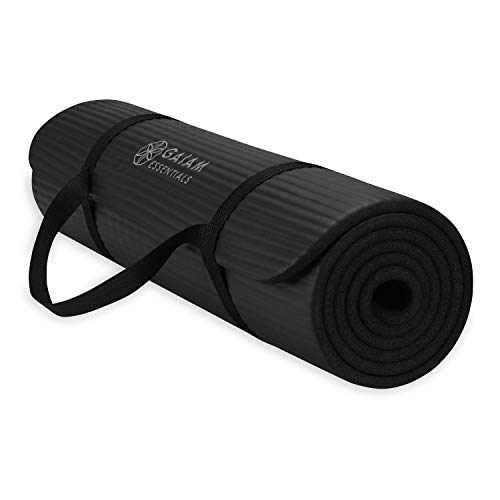
Gaiam Essentials Thick Yoga Mat
An affordable foam mat common for home practice, typically with a shorter practical lifespan than premium rubber mats under heavy use.
Questions worth asking
How do you know your yoga mat has lost its grip?
Hands or feet sliding during poses, especially in downward dog, and the surface feeling noticeably slicker under sweat than it did when the mat was new.
Can a slippery yoga mat be restored instead of replaced?
Light cleaning sometimes helps temporarily if the issue is residue buildup, but once the actual surface texture is worn smooth it can’t realistically be restored.
Does mat thickness affect how long it lasts?
Thicker mats often have more cushioning before it compresses noticeably, but thickness on its own doesn’t prevent grip wear, which happens at the surface regardless of padding depth.
Is it normal for a new yoga mat to feel slippery at first?
Yes, some natural rubber and PVC mats have a factory finish that wears off within the first several sessions and often improves grip afterward rather than reducing it.
How often should a yoga studio replace shared mats?
Studios typically cycle mats faster than a single home user would, often every few months to a year, because of higher cumulative use across many people.
Can washing a yoga mat in a washing machine damage it?
Yes for most mats, machine washing can break down material and warp foam layers. Hand washing with mild soap is generally recommended instead.
Does a lingering smell mean a mat needs replacing?
A persistent odor despite proper airing and cleaning can point to material breakdown, especially in natural rubber mats, though a fading new mat smell early on isn’t a concern.
Why do some expensive mats last years longer than cheap ones?
Higher density, higher quality rubber or TPE compounds resist compression and surface wear longer, which is part of why premium mats carry a higher price.
Can direct sunlight damage a yoga mat?
Yes, prolonged UV exposure can dry out and crack rubber based mats, similar to how sunlight affects other rubber products over time.
Is a cracked yoga mat unsafe to use?
Cracks can catch skin or clothing and reduce grip reliability, which makes a visibly cracked mat a reasonable one to retire rather than keep using.
Do travel yoga mats wear out faster than standard mats?
Often yes, since they’re intentionally thinner and lighter, trading some durability for portability compared to a full thickness studio mat.
Can you tell if it’s the mat or just a need for a towel on top?
If grip issues persist even with a mat towel in place, that generally points to actual compression and wear of the mat itself rather than surface moisture alone.
Does storing a yoga mat rolled tightly shorten its life?
Long term tight rolling, especially with the textured side facing in, can create creases and uneven wear over time. Looser rolling or hanging is gentler on the material.
What’s the lifespan difference between hot yoga use and regular studio use?
Hot yoga practitioners often report needing a replacement in under a year due to heavy sweat exposure, versus one to two years or more for lower sweat practice.
Does the color or print on a yoga mat affect how long it lasts?
No, the printed pattern or dye doesn’t meaningfully change the underlying material’s durability, which depends on the base rubber, PVC or TPE compound instead.
Can a yoga mat be used on both sides to extend its life?
Some mats have a distinct top and bottom texture by design and aren’t meant to be flipped, so checking the manufacturer’s intended use is worthwhile before assuming both sides offer the same grip.
Does practicing yoga outdoors wear out a mat faster than indoors?
Yes, outdoor surfaces, dirt, and direct sun exposure generally accelerate wear compared to a clean, shaded indoor studio floor.
Is it worth buying a thicker mat specifically to extend its lifespan?
Thickness mainly affects cushioning rather than surface grip wear, so a thicker mat won’t necessarily last longer in terms of traction, though it may resist bottoming out under joints longer.
Can you tell a mat is wearing out just by its weight or feel in your hands?
A mat that feels lighter or less substantial than when new can indicate some material breakdown, though visible surface changes are usually a clearer sign than weight alone.
Do yoga mat towels help extend the life of the mat underneath?
Yes, a towel absorbs sweat and reduces direct friction on the mat’s surface, which can meaningfully slow down surface wear over time.
Is it better to buy a mid range mat and replace it more often, or a premium one that lasts longer?
This often comes down to personal budget and how frequently you practice, since a premium mat’s higher upfront cost can offset needing fewer replacements for a heavy regular practice.
Does a heavier person wear out a yoga mat faster than a lighter person?
Additional body weight increases pressure in high contact areas, which can accelerate compression and surface wear in a heavier user’s mat compared to the same mat under lighter use.
Can a mat’s smell indicate mold rather than just normal wear?
A musty or mildew like smell, especially if the mat was stored damp, can indicate mold growth rather than simple material aging, and that type of mat should be replaced rather than cleaned.
Is there a difference in wear rate between vinyasa style classes and gentle restorative yoga?
Faster paced, more transition heavy styles like vinyasa generally put more repeated friction and pressure on a mat than slower, more static restorative practice, which can show up as earlier wear.
Does a non slip mat ever become more slippery with use rather than less?
In some cases, especially with certain PVC blends, a buildup of body oils and residue that isn’t cleaned off regularly can make the surface feel slicker over time even before the texture itself has worn down.
Our take
A yoga mat’s real end of life isn’t a date on a calendar, it’s the moment grip stops being reliable in the poses you depend on it for. Check how the surface actually feels under your hands and feet every so often, and trust that signal over how new the mat still looks.
Derek Holt
Derek has a background coaching recreational and amateur athletes and has worked the sales floor at specialty fitness retailers. He focuses on equipment durability, ergonomics and realistic use cases rather than marketing claims.


