How Often Should You Replace Snowboard Wax?
There is no single mileage number, but a practical rule is to rewax every 4 to 8 full days of riding, or whenever the base looks dry, chalky, or starts gripping instead of gliding. Riders who log 30 or more days a season should wax every 3 to 5 sessions; casual riders who go a handful of times can usually get away with one or two waxes per season, plus a storage wax at the end.
What snowboard wax actually does
Wax is not a permanent coating. It is a sacrificial layer that sits in the porous structure of the base and slowly wears away as you ride. Its job is to reduce friction between the base and the snow, which keeps you gliding instead of sticking, and to keep the base material from drying out and oxidizing. Once that layer is thin or gone, the base is exposed, and performance drops before visible damage shows up.
The honest rewax schedule by rider type
For a rider on snow 30 or more days a season, waxing every 3 to 5 riding days keeps the base consistently fast and protected. For someone who rides 10 to 20 days, every 6 to 8 days is reasonable. For a casual rider who goes 5 times a year, one wax at the start of the season and one storage wax at the end is usually enough. These are guidelines, not law, because snow conditions, base material, and wax type all shift the number.
Signs the wax is already gone
The clearest signal is a base that looks chalky, gray, or whitish instead of dark and slightly glossy. You may also notice the board feeling slow or grabby on flat sections, snow sticking to the base when you lift the board, or visible dry patches near the edges and tips. If you see any of these, the wax is past due regardless of how many days you have ridden since the last service.
Why snow conditions change the interval
Cold, dry, abrasive snow acts like sandpaper and strips wax faster than warm, wet spring snow, which tends to be gentler on the base but can still wear wax through water displacement. Riding on man-made snow or in icy, groomed resort conditions typically shortens the interval, while soft natural powder is easier on wax. A rider on hard, icy groomers may need to wax twice as often as the same rider on powder days.
The difference between a quick touch-up and a full wax
A full hot wax involves melting wax into the base with an iron, letting it cool, and scraping and brushing it smooth, which restores a deep layer and lasts the longest. A rub-on or liquid wax is a surface touch-up that takes minutes and can extend the time between full waxes, but it does not penetrate the base the same way. Many riders use liquid wax between full hot waxes to stretch the interval, especially on multi-day trips.
Why a storage wax matters even if you barely ride
If a board sits for months with a dry base, the base material can oxidize and become permanently less able to absorb wax, which is why shops recommend a thick storage wax at the end of the season. That coat is not scraped off until the next season starts, and it protects the base during the off months. Skipping it is one of the most common reasons a board feels slow at the start of the following winter.
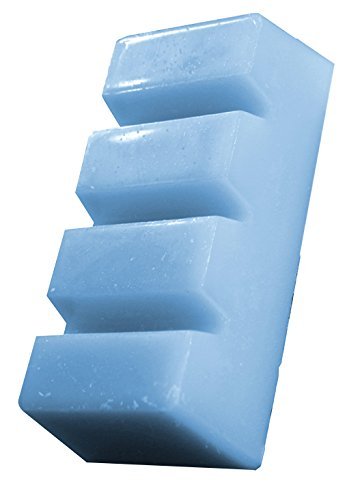
Demon Hyper Wax
A universal temperature snowboard wax that works across a wide range of snow conditions, making it a practical choice for riders who do not want to swap waxes by temperature.

Swix LF6 Glide Wax
A low-fluorocarbon glide wax designed for colder snow, often used as a performance layer for riders who wax frequently and want a faster base in winter conditions.
Questions worth asking
How often should you wax a snowboard if you ride every weekend?
Riding every weekend through a season means roughly 15 to 20 days on snow, so waxing every 4 to 6 weeks, or about every 4 to 6 riding days, keeps the base protected and gliding well.
Can you wax a snowboard too often?
No, waxing more often than needed does not hurt the board, though it wastes time and wax. The base can only absorb so much, and excess wax is scraped off, so frequent waxing is safe but not always necessary.
Does waxing make a snowboard faster?
Yes, a fresh wax reduces friction between the base and the snow, which translates to better glide and easier turning, especially on flat runouts and cat tracks where a dry base feels sticky.
How do you know when a snowboard needs wax?
Look for a chalky, whitish, or dry-looking base, snow sticking to the base, or a board that feels slow and grabby on flat sections. Those are the practical signs that the wax layer is worn through.
Is it bad to ride a snowboard without wax?
It will not destroy the board immediately, but a dry base oxidizes faster, runs slower, and can take on permanent damage over time. Riding unwaxed occasionally is fine; riding a whole season dry is not ideal.
How many rides does one wax job last?
Most hot waxes last roughly 4 to 8 full riding days depending on snow conditions and base type, with abrasive or icy snow shortening that range and soft powder extending it.
Do you need to wax a brand new snowboard?
Most new boards come with a factory wax that is adequate for the first few rides, but many riders strip and rewax a new board before the season to ensure a clean, fresh layer suited to their conditions.
What happens if you never wax your snowboard?
The base dries out, turns gray or white, and loses its ability to hold wax, which makes the board permanently slower and more prone to damage. It is one of the most avoidable ways to shorten a board’s life.
Can you use car wax or candle wax on a snowboard?
No, household waxes are not formulated to penetrate and bond with a snowboard base, and some contain solvents or additives that can harm the base material. Use purpose-made snowboard wax.
How long does a wax job take if you do it yourself?
A basic hot wax takes about 30 to 45 minutes including heating, cooling, scraping, and brushing, while a quick liquid wax touch-up can take under 10 minutes.
Does temperature-specific wax really matter for recreational riders?
For most recreational riders, a good all-temperature wax is enough. Temperature-specific waxes matter more for racers or riders who consistently face extreme cold or wet spring snow and want every bit of glide.
Can you wax a snowboard in a cold garage?
You can, but the wax cools faster and may not penetrate as deeply. Letting the board and wax sit at room temperature before waxing, and letting the wax cool slowly, gives a better result.
Is liquid wax as good as hot wax?
Liquid wax is a surface treatment that adds temporary glide and is great between hot waxes, but it does not penetrate the base the way melted hot wax does, so it does not replace a full hot wax.
How often do rental shops wax their boards?
Shops typically wax rental fleets frequently, often every few days during peak season, because rental boards see heavy use and a dry base makes for unhappy customers.
Does waxing help prevent base damage?
Yes, a waxed base slides over small rocks and debris more easily and the wax layer takes some of the abrasion, which reduces the chance of deep scratches and core shots.
Should you wax before or after storing a snowboard for summer?
Wax before storage, and leave the storage wax on until the next season. Waxing after months of storage is too late to prevent oxidation that happens during the off season.
Can you wax only the edges or tips of a snowboard?
You can spot-wax worn areas, but a full-base wax is better because friction and wear happen across the whole base, and partial waxing leaves dry zones that can oxidize.
Does the type of base material affect how often you wax?
Yes, sintered bases are more porous and hold wax longer than extruded bases, which are cheaper and need waxing more often because they absorb less wax.
How do you remove old wax before rewaxing?
You can scrape off excess wax and brush the base, or use a base cleaner for a deeper reset, but a light scrape and brush is usually enough between regular waxes.
Our take
Wax is a wear item, not a permanent coating, so the real answer is to watch the base rather than count days. If it looks dry and feels slow, it is time, and a quick liquid touch-up between full hot waxes keeps the board protected without much effort.
Derek Holt
Derek has a background coaching recreational and amateur athletes and has worked the sales floor at specialty fitness retailers. He focuses on equipment durability, ergonomics and realistic use cases rather than marketing claims.