How Often Should You Replace a Garden Hose?
A well-made garden hose stored properly can realistically last five to ten years, while a cheap hose left out in direct sun year-round might need replacing in two to three years, so the honest answer depends more on hose quality and storage habits than a fixed timeline. The clearer signal is physical condition: cracking, persistent leaks along the length rather than just at the fittings, or a noticeable loss of water pressure and flexibility.
What actually breaks down a garden hose over time
UV exposure from sun is the single biggest factor degrading most garden hoses, since ultraviolet light breaks down the rubber or vinyl polymers in the hose material, making it progressively more brittle and prone to cracking. Extreme temperature swings, particularly freezing water left inside a hose over winter, physically stress the material from the inside in a way sun exposure alone does not.
The difference between a fitting leak and a hose body leak
A leak right at the connection fitting is usually a simple washer fix, not a sign the whole hose needs replacing. A leak somewhere along the actual length of the hose, especially multiple small weep points or a visible crack in the material itself, means the hose body has genuinely degraded and patching it is a temporary fix at best rather than a real solution.
How storage habits change the real lifespan
A hose left coiled in direct sun on a driveway for years will show UV damage far sooner than one stored in a shaded hose reel, garage, or hose pot between uses. Draining a hose fully and storing it somewhere protected from freezing temperatures over winter is one of the most effective ways to extend the actual usable life of an otherwise good hose.
Signs of internal versus external damage
Kinking repeatedly in the same spot weakens the internal structure at that point even when the outside still looks intact, which can eventually lead to a burst rather than a slow leak. A hose that feels unusually stiff, has lost its original flexibility, or shows a chalky, faded surface has typically already lost significant structural integrity from UV breakdown even before a visible crack appears.
Why hose material quality changes the whole lifespan conversation
Reinforced rubber and some premium polyurethane hoses are built with multiple inner layers specifically to resist kinking and UV breakdown far longer than a basic single-layer vinyl hose, which is the main reason two hoses bought at very different price points can have a genuinely different realistic lifespan rather than it being pure marketing.
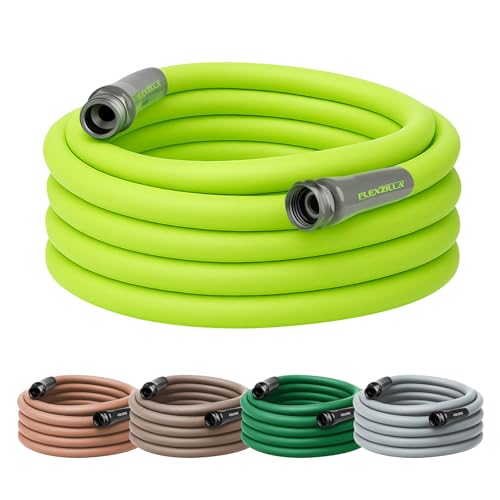
Flexzilla Garden Hose
A hybrid polymer hose commonly cited for resisting kinking and staying flexible across a wide temperature range, often outlasting basic vinyl hoses under the same outdoor conditions.
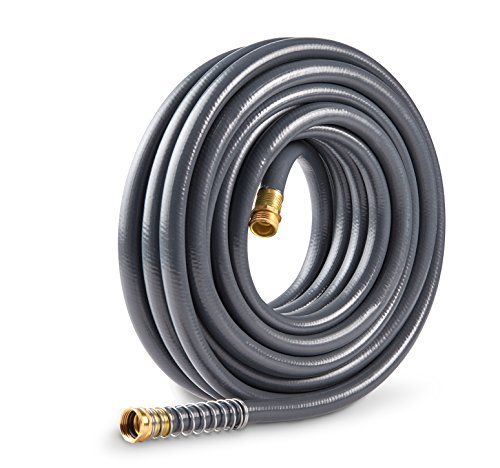
Gilmour Flexogen 8-Ply Garden Hose
A multi-layer reinforced rubber hose built specifically for extended outdoor durability compared to single-layer vinyl alternatives.
Common questions
Can a cracked garden hose be repaired instead of replaced?
Small cracks or punctures can be patched with hose repair kits or mender fittings as a short-term fix, but a hose with multiple cracks or widespread brittleness is usually not worth continuing to patch piecemeal.
Does leaving water inside a hose over winter actually damage it that much?
Yes, water left inside a hose that then freezes expands and can crack the hose material from the inside, which is one of the most preventable causes of hose damage simply by draining hoses fully before freezing weather arrives.
How do I know if a leak is from the hose body or just the fitting washer?
Run water through the hose while visually checking its full length for wet spots or spray, and separately check right at both end connections, since a leak isolated to a connection point is almost always a washer issue rather than hose damage.
Is vinyl or rubber more durable for a garden hose?
Rubber and reinforced rubber-vinyl hybrid hoses generally resist UV breakdown and kinking longer than basic single-layer vinyl hoses, though rubber hoses are typically heavier and sometimes pricier for the same length.
Does hose diameter affect how long it lasts?
Not directly in terms of material durability, though a wider diameter hose moves more water with less internal pressure stress for the same flow rate, which can marginally reduce wear at kink points compared to a narrower hose pushed to its flow limit.
Can a hose reel actually extend a garden hose’s lifespan?
Yes, a hose reel both reduces kinking from careless coiling and typically keeps more of the hose shaded or protected compared to leaving it stretched out or loosely piled in direct sun, both of which meaningfully slow UV and physical wear.
Is it normal for a hose to feel stiffer in cold weather even if it is not damaged?
Yes, most hose materials naturally stiffen somewhat in cold temperatures and regain flexibility once warmed, which is different from permanent stiffness caused by UV degradation that does not reverse once the weather warms up.
Does hose color affect how long it lasts in the sun?
Darker colored hoses can absorb more heat from direct sunlight, which may slightly accelerate material breakdown compared to lighter colored hoses, though the hose material quality itself remains the bigger factor overall.
Can a burst hose be a sign of water pressure issues rather than hose age?
It can be either, consistently high home water pressure can stress even a newer hose, so if a hose fails to burst well before its expected lifespan, checking household water pressure against the hose’s rated maximum is worth doing.
Should I replace a garden hose just because it looks faded?
Fading alone from sun exposure is mostly cosmetic, but since UV exposure is also what degrades the material’s structural integrity, significant fading is often a reasonable visual cue to check the hose more carefully for brittleness rather than an automatic replacement trigger on its own.
Does a more expensive hose always last longer than a cheap one?
Generally yes on average, since higher priced hoses tend to use better reinforced materials and more durable fittings, though proper storage and care can sometimes let a mid-range hose outlast a premium one that was left in harsh conditions year-round.
Can kinking actually cause a hose to burst later even after you straighten it out?
Yes, repeated kinking at the same point stresses and weakens the internal structure even if the hose looks fine once straightened, and that weakened spot is often where a burst eventually occurs under normal water pressure.
Is it worth buying a shorter hose instead of a long one to extend its lifespan?
Not for lifespan specifically, length does not meaningfully affect how fast the material degrades, though a shorter hose matched closely to actual needs is less likely to be dragged, kinked, or coiled poorly simply because there is less excess length to manage.
Does hot water or warm outdoor temperatures through a hose cause faster wear than cold water?
Running consistently hot water through a standard garden hose not rated for it can soften and degrade the inner lining faster than cold water use, which is why hoses rated for hot water exist separately for that specific use.
Can a hose that passed a pressure test still fail soon after?
Yes, a hose can pass a basic pressure or leak check while still having accumulated enough UV or structural damage elsewhere that a failure under slightly different conditions, like direct sun heat or a kink, happens soon afterward, which is why a pressure test alone is not a complete durability guarantee.
Is it safe to keep using a hose that only leaks slightly at one spot?
A minor isolated leak is not an emergency, but it is worth monitoring since a small weep point from material fatigue often grows over time rather than staying static, especially under continued sun exposure and water pressure.
Does a garden hose need replacing if it develops a smell or discoloration inside?
Internal discoloration or a persistent smell can indicate algae or mineral buildup, which is often cleanable with a vinegar flush rather than requiring replacement, unless the buildup is linked to actual material breakdown rather than just residue.
The bottom line
Age alone rarely tells the real story with a garden hose, UV exposure and storage habits do most of the damage. A hose kept shaded, drained before freezing weather, and free of repeated kinks can realistically outlast its cheaper, sun-baked counterpart by years, so judge by cracking and pressure loss rather than how many seasons it has seen.
Sierra Daniels
Sierra's background is in landscape design and nursery retail. She focuses on lawn and garden equipment, outdoor furniture and gear durability, weighing published specs against how materials actually hold up outside.
You might also need
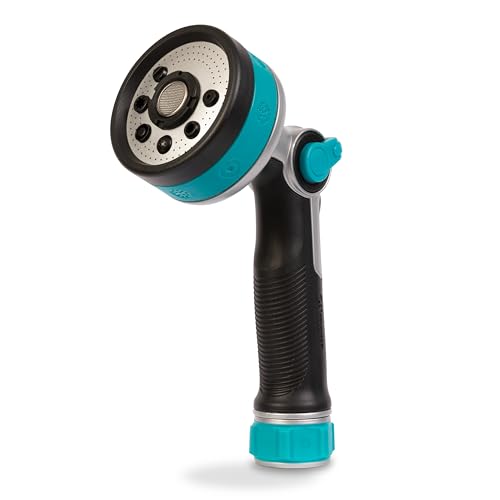
Garden Hose Nozzles That Won’t Crack, Jam, or Leak
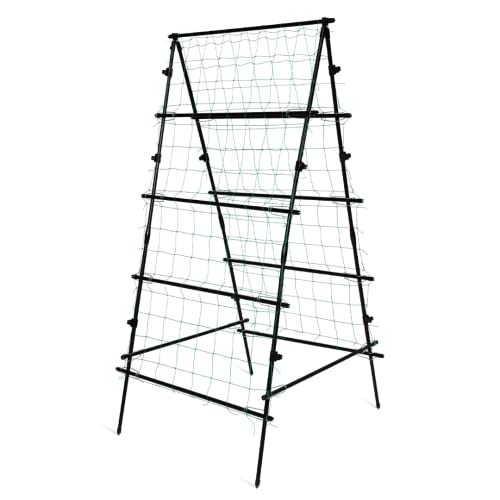
Why Do Garden Trellises Need Different Spacing for Vines vs Climbing Vegetables?

How to Choose a Camping Pillow That Packs Small
