How Often Should You Replace a Cycling Helmet?
Most manufacturers and safety organizations recommend replacing a cycling helmet every five to eight years even without a crash, since the foam liner degrades slowly from UV exposure, heat, and sweat, and any helmet involved in a real crash or a hard impact should be replaced immediately regardless of how old it is or how it looks.
Why age alone matters, not just visible damage
The expanded polystyrene foam inside a helmet that absorbs impact energy slowly breaks down from repeated temperature swings, sun exposure, and sweat over years, even if the outer shell looks completely intact, which is why age-based replacement guidelines exist separately from any damage-based reason to replace one.
What actually happens during an impact
A helmet’s foam is designed to crush and deform during a crash, absorbing energy that would otherwise transfer directly to the skull, and that crushing is a one-time event, once the foam has compressed to absorb an impact, it does not spring back to its original protective capacity even if the damage is not visible from the outside.
Why a crash means immediate replacement, no exceptions
Even a helmet that looks undamaged after a fall may have internal foam compression that is not visible, which is why safety guidelines universally recommend replacing a helmet after any real impact, including a drop from a bike rack onto hard ground, rather than trying to judge whether it still looks fine.
Signs of wear worth checking for between crashes
Cracks in the outer shell, a strap that has frayed or lost its ability to stay snug, foam that feels compressed or crumbly in spots, or a noticeably loose fit compared to when the helmet was new are all reasons to consider replacement sooner than the standard age guideline.
How sun, heat, and sweat speed up degradation
UV exposure breaks down the plastic shell and the glue bonding it to the foam, while heat, like a helmet left in a hot car, and regular sweat exposure both degrade the foam’s structure over time, meaning a helmet used daily in a hot, sunny climate may need replacing sooner than the general five to eight year guideline suggests.
Why kids’ helmets are a special case
Beyond the standard wear factors, children’s helmets usually need replacing well before any age-based wear limit simply because kids outgrow the correct fit, and a helmet that no longer sits properly on a growing head cannot protect as intended regardless of how new the foam still is.
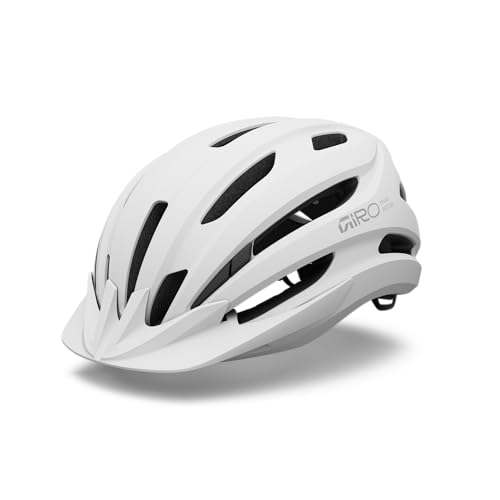
Giro Register MIPS Helmet
A commonly used commuter and recreational cycling helmet featuring MIPS rotational impact technology inside the foam liner.

Bell Formula Road Helmet
A road cycling helmet with a lightweight foam construction typical of mid-range helmets subject to the standard multi-year replacement guideline.
Frequently asked questions
Does a helmet need to be replaced after a minor, low-speed fall?
Even a low-speed fall that caused the helmet to hit the ground with any real force is generally treated the same as any other crash, replace it, since internal foam compression is not always visible from the outside.
How can you tell if foam inside a helmet is degraded without cutting it open?
There is no reliable home test, which is exactly why manufacturers rely on age-based and impact-based replacement guidelines rather than expecting riders to visually judge internal foam condition.
Is it safe to buy a used cycling helmet?
It is generally discouraged, since a used helmet’s crash history and true age are usually unknown, and both factors matter more for safety than the helmet’s outward appearance or price.
Does helmet replacement timing differ for mountain biking versus road cycling?
Mountain biking often involves more frequent minor impacts, branches, falls, and rougher conditions generally, which can mean mountain bike helmets sometimes need replacement sooner than road helmets used more gently.
Can a helmet look brand new but still be unsafe?
Yes, this is one of the central safety concerns with helmet aging, since UV and heat degrade the foam’s internal structure in ways that are not visible from looking at the outer shell.
Does leaving a helmet in a hot car actually shorten its life?
Yes, repeated heat exposure accelerates the breakdown of both the foam structure and the shell’s bonding glue, so helmets regularly left in hot cars tend to degrade faster than helmets stored at normal indoor temperatures.
Is there a way to date how old a helmet actually is?
Most helmets have a manufacture date stamped or printed inside the shell or on a liner label, which is the most reliable way to know actual age if the original purchase date is not remembered.
Should a helmet be replaced if the straps are just dirty rather than frayed?
No, dirty straps can usually just be cleaned, but any fraying, stretching, or damage to the strap material itself is a separate safety issue worth addressing regardless of the helmet’s overall age.
Does a helmet’s price affect how long it lasts before needing replacement?
Not significantly for the foam’s basic chemical aging process, though higher-end helmets sometimes use more UV-resistant shell materials, which can modestly slow outer shell degradation compared to very basic helmets.
Can sunscreen or bug spray damage a helmet?
Yes, some chemical sprays and lotions can interact with and weaken certain plastics and foams, so wiping a helmet down after exposure to heavy sunscreen or insect repellent is a reasonable precaution.
Is MIPS technology something that needs separate maintenance or replacement considerations?
MIPS adds a rotational slip layer inside the helmet, and like the rest of the helmet, it is subject to the same crash-based and age-based replacement guidance rather than needing separate maintenance.
How should a helmet be stored to maximize its lifespan?
Storing a helmet indoors, out of direct sunlight, away from extreme heat, and not under heavy objects that could compress the foam all help preserve its protective structure for as long as reasonably possible.
Does washing a helmet shorten its usable life?
Gentle hand washing with mild soap and water generally does not meaningfully shorten a helmet’s life, though harsh chemicals, solvents, or submerging straps and buckles in ways not recommended by the manufacturer should be avoided.
Can a helmet pass a visual inspection but still fail in an actual crash?
Yes, this is the core reason age-based and impact-based replacement rules exist, since a helmet can look structurally fine while having already lost meaningful protective capacity internally.
Is the five to eight year guideline the same across all helmet brands?
The five to eight year range is a common industry guideline, but some manufacturers specify their own exact number for a given model, so checking the specific helmet’s documentation is more precise than relying on the general range.
Should a helmet be replaced if it was dropped but not worn during a crash?
Most manufacturers recommend replacing a helmet that has taken a hard impact of any kind, including being dropped while not worn, since the foam can compress from that kind of impact just as it would during an actual crash.
Do helmets lose protective ability gradually or more suddenly?
Both, age-related foam degradation from UV and heat happens gradually over years, while an actual crash causes sudden, immediate, and permanent loss of protective capacity in the area that absorbed the impact.
Does a helmet lose protective value just from being worn regularly over the years, apart from crashes or sun exposure?
Yes, to a smaller degree, repeated compression from simply putting on and removing a snug helmet along with normal handling contributes slightly to gradual wear, though sun, heat, and impact remain the larger factors in long term degradation.
Final word
A helmet’s protection is mostly invisible maintenance, foam that quietly weakens from sun and heat long before it looks any different on the outside. Replacing on the standard multi-year schedule, and without exception after any real impact, is the only way to actually know the protection is still there when it matters.
Derek Holt
Derek has a background coaching recreational and amateur athletes and has worked the sales floor at specialty fitness retailers. He focuses on equipment durability, ergonomics and realistic use cases rather than marketing claims.