A Properly Fitted Bike Helmet Beats a Pricier One
Giro Register MIPS balances a rotational liner, 22 vents and a dial cradle better than anything close to it. Riders with awkward head shapes get more adjustment from Specialized Align II MIPS. For city trips, Thousand Heritage 2.0 hides a lock slot inside the shell.
Giro Register MIPS is the helmet most riders should start with, thanks to a rotational liner and 22 vents in a shell that fits a wide range of heads. Specialized Align II MIPS adjusts for height as well as circumference. Thousand Heritage 2.0 suits commuters who want to lock the helmet to the bike.
Certification is the same for every helmet on the shelf, so marketing has to sell you something else. What actually differs is fit, rotational impact technology and whether the thing is bearable on a warm climb. A helmet that pinches or cooks ends up on a hook by the door, protecting nothing. We compared certification, MIPS and equivalent liners, retention dial design, vent channelling and claimed weight. Owner feedback on sizing, hotspots and strap comfort settled the order.
How to choose
How do you tell if a bike helmet fits? Sit the helmet level, roughly two finger widths above your eyebrows. Undo the straps and shake your head hard: a helmet that fits barely moves. Measure your circumference just above the ears and check it against that brand’s chart, since ranges differ. Head shape causes more discomfort than any number on the box, so an oval head often needs a different brand rather than a different size. Buckled straps should form a V under each ear with one finger of slack at the chin.
What is MIPS and do you need it? MIPS adds a thin low friction layer that lets the shell rotate a few millimetres against your head during an angled impact. Standard drop testing measures straight line force only, yet most real crashes twist the head as it lands. Nearly every helmet here includes it or an equivalent, and it now appears on commuter models rather than only race lids. Skip it only if the helmet is for occasional slow riding, as with the Retrospec Lennon.
How much ventilation do you actually need? Vent count is a weaker signal than channel depth. Deep internal channels, as on Bell Formula MIPS, pull air across your scalp and exhaust it at the rear. A shell with many shallow holes can feel hotter despite the numbers. Riders doing long climbs or summer mileage should prioritise channelling and exhaust ports. City riders at gentler speeds can trade airflow for coverage, styling or a lock port without regretting it.
When should you replace a bike helmet? Expanded polystyrene crushes once and never recovers, even where the outer shell looks untouched. Replace after any crash in which the helmet hit the ground. Replace again after several years of regular use, since sweat, UV and compressed padding loosen the fit long before the shell cracks. Buying used is a bad trade at any price, because impact history is invisible from the outside.
What we recommend
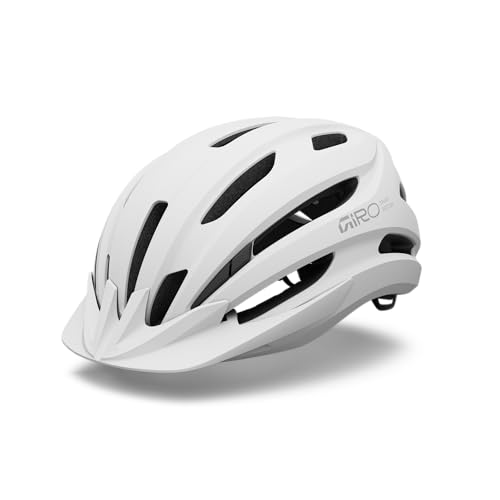
Giro Register MIPS
Universal fit sizing plus a MIPS low friction liner covers the two things that matter for everyday riding. Twenty two vents move enough air for commutes and moderate climbs. Owners report the dial cradle holds its setting over broken road surfaces instead of creeping loose.
Pros
- Rotational liner at commuter money
- Vent count suits year round riding
- Dial holds position on rough roads
Cons
- Heavier than road specific shells
- One shell size limits fine fit tuning

Specialized Align II MIPS
Its retention cradle slides up and down as well as tightening, so the helmet sits level on oval and round heads alike. That vertical range is what most budget helmets leave out. Shell profile stays flatter than typical entry level lids, which is why riders stop looking like a mushroom in photos.
Pros
- Cradle adjusts for height and circumference
- Flatter profile than most first helmets
- Strap dividers sit flat under the ear
Cons
- Pads are thin until you upgrade them
- Runs small for round head shapes
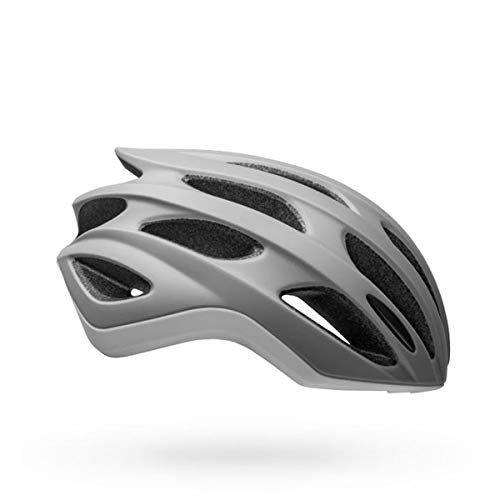
Bell Formula MIPS
Deep internal channels pull air across the scalp rather than skimming past the shell, which shows on long climbs. Float Fit adjusts one handed while you are moving, so you can loosen it as your head warms. Weight lands between commuter helmets and race models.
Pros
- Channelling keeps you cool on sustained efforts
- Dial adjusts one handed mid ride
- Lower profile than commuter shells
Cons
- Less rear coverage than trail helmets
- Open vents let rain straight through

Smith Convoy MIPS
Coverage drops lower at the rear and temples, which is where off road crashes tend to land. Its MIPS layer is built into the padding rather than added as a separate slip liner, so the interior feels less cluttered. An adjustable visor blocks low sun and swings up for goggles.
Pros
- Covers the areas road shells leave open
- Stays planted on rough descents
- Visor pivots clear for goggles
Cons
- Heavier than road helmets
- Visor catches wind at higher speeds

Lazer Sphere MIPS
Advanced Rollsys tightens from the top of the head, spreading pressure evenly instead of pulling from a single rear point. Riders who get pressure hotspots from conventional dials notice the difference within a ride. Large vent area and low road class weight make this the pick for summer mileage.
Pros
- Moves air well in genuine heat
- Even retention pressure avoids hotspots
- Light enough for long days
Cons
- Top mounted dial takes acclimatising
- Open vents offer little in cold rain

Thousand Heritage 2.0
A hidden PopLock port lets you thread a bike lock through the shell, so the helmet stays with the bike instead of on your arm. Styling borrows from classic motorcycle lids rather than road cycling. Fewer vents mean it suits flat city speeds better than climbs in July.
Pros
- Looks unremarkable off the bike
- Lock port removes the carrying problem
- Magnetic buckle closes with gloves on
Cons
- Limited airflow on hot climbs
- Heavier than road helmets

Retrospec Lennon Bike Helmet
Ten vents, a rear dial and a certified shell cover the basics for short trips at town speed. Households that keep a spare helmet for guests get the most from it. No rotational liner is fitted, and padding compresses faster than on the pricier picks.
Pros
- Certified protection at the lowest outlay
- Dial resizes quickly between riders
- Plain styling suits any bike
Cons
- No rotational impact liner
- Basic padding compresses over time
The lineup, side by side
| # | Model | Protection | Best for | Score | Price |
|---|---|---|---|---|---|
| 1 | Giro Register MIPS | MIPS rotational liner | Best overall | 9.4 | Check price |
| 2 | Specialized Align II MIPS | MIPS rotational liner | Best fit range | 9.2 | Check price |
| 3 | Bell Formula MIPS | MIPS rotational liner | Best for road riding | 9.0 | Check price |
| 4 | Smith Convoy MIPS | MIPS integrated into padding | Best for trail and gravel | 8.8 | Check price |
| 5 | Lazer Sphere MIPS | MIPS rotational liner | Best ventilation | 8.6 | Check price |
| 6 | Thousand Heritage 2.0 | Certified urban shell | Best for commuting | 8.3 | Check price |
| 7 | Retrospec Lennon Bike Helmet | Certified to CPSC bicycle standard | Best budget | 8.0 | Check price |
Frequently asked questions
Do expensive bike helmets protect better?
Not in the drop test, since every helmet sold has to pass the same standard. Extra money buys lower weight, deeper vent channels, better retention systems and rotational liners. Fit quality is where the real safety difference sits.
Is MIPS worth paying extra for?
For most riders, yes. It targets the angled impacts that certification testing does not measure, and it now appears on affordable commuting helmets such as the Giro Register. The weight penalty is a few grams.
How do I know what size bike helmet to buy?
Wrap a soft tape around your head about a centimetre above the eyebrows and match that to the brand chart. Sizing is not standardised, so a medium in one brand can be a large in another. Note whether your head runs oval or round.
How tight should bike helmet straps be?
Side straps should meet in a V just below each ear. Buckled, the chin strap allows one finger underneath and no more. Open your mouth wide: the helmet should pull down slightly rather than stay still.
Which bike helmet is best for commuting?
Look for coverage, a dial cradle and features you will use daily. Giro Register MIPS handles most commutes well. Thousand Heritage 2.0 adds the lock port, which matters if you park in the street rather than an office.
Are helmet visors useful?
On trail and gravel they keep low sun and branches out of your eyes, which is why Smith Convoy fits one. At road speeds a visor catches wind and adds drag. Road helmets leave them off for that reason.
Can you use a bike helmet for scooters or skating?
Only if the label says so. Many bicycle helmets carry cycling certification alone, and skate certification covers repeated smaller impacts instead. Check the sticker inside the shell before assuming one helmet covers both.
Do bike helmets fit over long hair?
Many cradles are shaped to sit above a ponytail, and some commuter models leave a deliberate gap at the rear. Check the retention design rather than the shell if this matters. A high ponytail can tilt a helmet forward, which ruins the fit.
How long does a bike helmet last?
Several years of regular riding, assuming no crashes. Padding compresses, straps stretch and UV slowly embrittles the shell. If the dial no longer holds a snug fit at maximum tightness, replace it.
Final word
Giro Register MIPS is the helmet to buy first, since it puts a rotational liner and honest ventilation within easy reach. Riders fighting fit problems should try Specialized Align II MIPS and its height adjustable cradle. Road cyclists chasing airflow will prefer Bell Formula MIPS or Lazer Sphere MIPS, while city riders who park on the street get real use from the lock port on Thousand Heritage 2.0.
Derek Holt
Derek has a background coaching recreational and amateur athletes and has worked the sales floor at specialty fitness retailers. He focuses on equipment durability, ergonomics and realistic use cases rather than marketing claims.