How Often Should You Replace a Baby Bathtub Sling?
There is no fixed replacement schedule, but most slings need replacing every 3 to 12 months depending on material, drying habits, and how often the tub is used. Replace immediately if you see mold that will not wash out, fraying straps, a stretched or sagging seat, or a broken clip. A sling that no longer holds the baby securely is a safety issue, not just a cosmetic one.
Why slings wear out faster than the tub itself
The sling is the soft, wet, load-bearing part of the bathtub, so it takes the most abuse. It stays damp after every bath, supports a growing baby’s weight, and gets squeezed, wrung, and hung to dry repeatedly. The hard plastic tub can last for years, but the fabric or mesh sling is usually the first component to fail. Most manufacturers do not publish a strict replacement interval, which is why parents often keep using a worn sling longer than they should.
The main replacement triggers
Four things should prompt a replacement: mold or mildew that survives a hot wash, fabric that has stretched and no longer cradles the baby snugly, straps or seams that are fraying or coming apart, and clips or attachment points that are cracked, loose, or no longer click securely. Any one of these is enough reason to stop using the sling. Safety comes before saving money on a replacement part.
How material affects lifespan
Mesh slings dry quickly and resist mildew better than solid fabric, but the mesh can snag and tear. Solid fabric slings feel softer but hold water longer, so they are more prone to mold if not dried thoroughly after each use. Foam-filled or padded slings can develop hidden mildew inside the padding even when the surface looks clean. In general, a mesh sling used daily and dried properly might last 6 to 12 months, while a fabric sling that stays damp could need replacing in 3 to 6 months.
Drying and storage habits that extend sling life
The single biggest factor is drying. After every bath, rinse the sling, shake off excess water, and hang it fully open in a ventilated area. Do not leave it crumpled in the tub or draped over a closed shower rod where air cannot circulate. If the sling is removable, take it off the tub to dry. Washing it according to the manufacturer’s instructions every few weeks also helps, but only if it dries completely afterward.
When to replace versus when to clean
Surface mildew that comes off with a warm wash and a soft brush is not necessarily a reason to replace. But black spots that remain after washing, a persistent musty smell, or mildew inside padding means the sling should go. Similarly, a slightly stretched sling might still be usable for a small baby, but once the baby’s weight makes it sag noticeably, replace it. Never try to repair a sling with safety pins, tape, or by tying knots in the straps.
Sling compatibility and replacement parts
Not all slings are sold separately from the tub, so check whether your model has a replaceable sling before you need one. Some brands sell slings as standalone accessories, while others require buying a whole new tub. If you are replacing a sling, use the exact model or a manufacturer-approved compatible part. A generic sling that does not attach securely can create a drowning risk. When in doubt, contact the manufacturer or replace the entire tub.

Summer Infant Comfort Height Bath Tub
A convertible baby bathtub with a removable sling that is often sold as a separate replacement part, making it easier to swap out when the sling wears out.
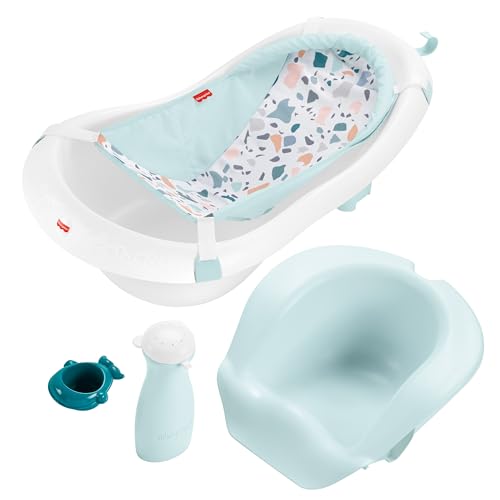
Fisher-Price 4-in-1 Sling ‘n Seat Tub
A bathtub with a mesh sling and a removable seat insert, designed to transition from newborn to toddler stages.
Good to know
How often should you replace a baby bathtub sling?
There is no set schedule, but plan on every 3 to 12 months depending on material and care. Replace sooner if you notice mold, stretching, fraying, or loose clips.
Can a baby bathtub sling be washed in the washing machine?
Some can, but always check the manufacturer’s care tag first. Mesh slings often survive a gentle cycle in a mesh laundry bag, while padded or fabric slings may need hand washing to avoid damaging the structure.
What are the signs that a sling needs replacing?
Look for mold or mildew that will not wash out, a sagging or stretched seat, frayed straps or seams, cracked clips, or a sling that no longer attaches securely to the tub.
Is it safe to use a bathtub sling with a small tear?
No. A tear can grow quickly under a baby’s weight and lead to a sudden failure. Replace the sling at the first sign of damage.
How can I prevent mold on a baby bathtub sling?
Rinse and hang the sling to dry completely after every bath. If it is removable, take it off the tub. Wash it regularly according to the care instructions and avoid leaving it damp in a closed bathroom.
Do all baby bathtubs have replaceable slings?
No. Some brands sell slings as separate parts, while others only sell the complete tub. Check your model’s manual or the manufacturer’s website before you need a replacement.
Can I use a sling from a different brand on my bathtub?
Only if the manufacturer explicitly says it is compatible. A sling that does not attach properly can slip or tip, which is a serious safety risk.
How long does a mesh sling typically last?
With daily use and proper drying, a mesh sling often lasts 6 to 12 months. Without proper drying, it may develop mildew in a few weeks and need replacing sooner.
Does a fabric sling last longer than a mesh sling?
Not necessarily. Fabric slings can feel more durable but hold water longer, making them more prone to mold if not dried thoroughly. Mesh dries faster but can snag and tear.
Can I put the sling in the dryer?
Usually no. High heat can warp plastic clips, shrink fabric, or damage the mesh. Air drying is safer unless the care label specifically allows tumble drying on low.
What should I do if the sling’s clips break?
Stop using the sling immediately. Do not try to tie or tape it back on. Order a replacement sling from the manufacturer or replace the tub.
Is it normal for the sling to stretch over time?
Some stretching is normal, but if the sling sags enough that the baby sits lower than intended, it is time to replace it. A stretched sling may not hold the baby securely.
How do I know if my baby has outgrown the sling?
Check the weight limit in your tub’s manual. Most slings are for newborns up to about 15 to 20 pounds, or until the baby can sit up unassisted. Once your baby exceeds the limit or starts sitting, switch to the toddler side or remove the sling.
Can I use a bathtub sling for a toddler?
No. Slings are designed for newborns and infants who cannot sit up. Using a sling for a toddler who can sit or stand is unsafe because they can tip or climb out.
Where can I buy a replacement sling?
Check the manufacturer’s website, online retailers that sell baby gear, or the store where you bought the tub. Some brands also sell replacement slings on Amazon.
How often should I clean the sling?
Wipe it down after every use and wash it thoroughly every one to two weeks, or more often if your baby has sensitive skin or the sling gets soapy residue buildup.
Does hard water affect the sling?
Hard water can leave mineral deposits that make the fabric stiff and may trap soap residue. If you notice stiffness or a chalky film, wash the sling with a gentle detergent and rinse well.
Can I use a sling without the bathtub?
No. Slings are designed to attach to a specific tub. Using them standalone or in a sink is not safe because they are not stable on their own.
What is the safest way to dry a sling?
Hang it fully open in a well-ventilated area, ideally near a window or in a room with a fan. Avoid hanging it over a closed shower rod or leaving it bunched up.
The bottom line
There is no magic date on the calendar, but a sling that is moldy, stretched, torn, or loose is not worth risking. Check it monthly, dry it properly after every bath, and replace it as soon as it shows wear. The tub itself can last for years, but the sling is a wear item, so budget for a replacement every few months.
Rachel Simmons
Rachel previously worked in child-product retail and brings a practical, detail-first eye to gear reviews, focusing on safety standards, ease of use and the fine print that matters most for new caregivers.