How Does a French Press Actually Brew Coffee Differently Than Drip?
A French press fully immerses coarse coffee grounds in hot water for several minutes before pressing them down with a metal mesh plunger, which lets natural oils and fine particles stay in the cup since nothing but a metal screen stands between the grounds and your coffee. A drip machine runs hot water through grounds once, passing it through a paper filter that catches most oils and fine sediment on the way through, producing a cleaner, lighter bodied cup by design.
The filter material is the biggest difference
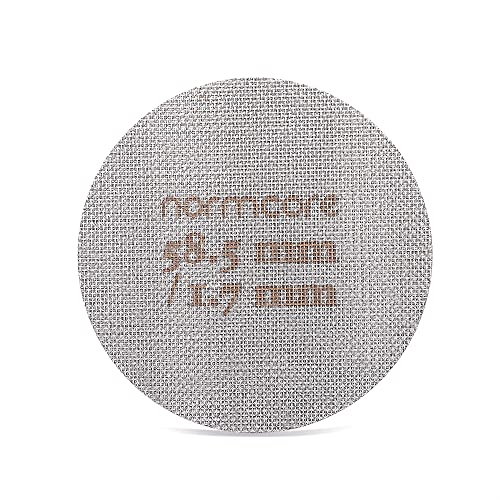
A French press uses a metal mesh plunger with holes fine enough to catch larger coffee particles but coarse enough to let coffee oils and very fine sediment pass through into the final cup. Paper filters in a drip machine absorb those same oils and trap finer sediment, which is why French press coffee tastes noticeably heavier and more textured while drip coffee comes out cleaner and lighter.
Full immersion versus a single pass
In a French press, every ground sits submerged in the same body of water for the entire steep time, extracting fairly evenly across the batch. A drip machine passes water through the coffee bed once, meaning grounds near the top of the bed interact with fresh hot water while grounds lower down interact with water that has already picked up some extraction, a more uneven process by nature even when done well.
Why grind size has to be different for each method
French press requires a coarse, uniform grind, since fine particles would otherwise slip through the metal plunger mesh and end up as sediment in the cup. Drip machines work with a medium grind since the paper filter catches fine particles regardless, giving more flexibility in grind size without the same sediment risk.
Brew time differences come from the extraction method itself
French press typically steeps for four minutes before pressing, a relatively long, controlled contact time. Drip brewing often totals three to five minutes of water passing through, but that time is split across continuous flow rather than a single static steep, which changes how extraction develops even at a similar total time.
Oils left in versus oils filtered out matters for more than taste
The oils a paper filter removes, called diterpenes, have been studied in relation to cholesterol effects in some research, meaning French press coffee carries more of those compounds through to the cup than filtered drip coffee does, which is a genuine chemical difference beyond just flavor.
Why cleanup and convenience differ so much between the two
A French press requires manual plunging, then disposing of wet grounds from the carafe itself, which some people find messier than a drip machine’s basket that lifts out with the paper filter and grounds together in one disposable unit.

Bodum Chambord French Press
A classic glass carafe French press with a stainless steel mesh plunger filter, widely used as a reference point for full immersion brewing at home.
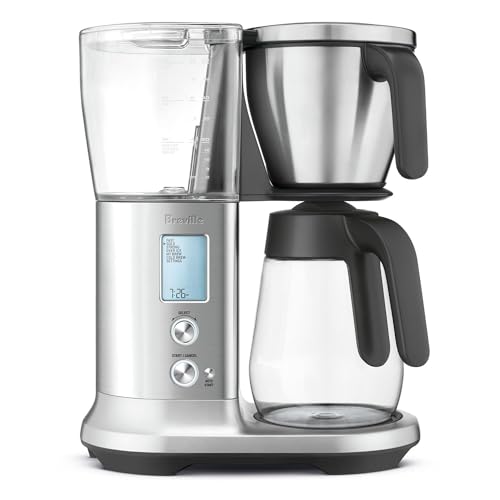
Breville Precision Brewer
A drip coffee maker with adjustable bloom and flow settings, built around the single pass paper filter method rather than full immersion steeping.
Common questions
Does French press coffee actually have more caffeine than drip coffee?
Not inherently, caffeine content depends more on the coffee to water ratio and bean type than the brewing method itself, though French press is often brewed slightly stronger by habit, which can make it seem higher in caffeine.
Why does French press coffee have sediment at the bottom of the cup?
The metal mesh plunger lets very fine particles pass through that a paper filter would otherwise catch, which settles at the bottom of the cup as you drink, a normal characteristic of the method rather than a flaw.
Can I use a fine grind in a French press if I’m careful?
It’s not recommended, since fine grounds slip past the metal mesh regardless of care taken while pressing, resulting in noticeably more sediment and an overly thick, often bitter cup.
Is French press coffee stronger than drip coffee?
It often tastes stronger due to the retained oils and fuller body, but actual strength depends on the coffee to water ratio used, which can be adjusted similarly with either method.
Does a French press need a specific type of coffee bean?
No, any roast or bean works, though the coarse grind requirement means pre-ground coffee labeled for drip machines is often too fine for ideal French press results.
Why does my drip coffee taste thinner than French press even using the same beans?
The paper filter in drip brewing removes oils and fine sediment that contribute to body and mouthfeel, so even identical beans will taste lighter through a paper filter than through a French press’s metal mesh.
How long should coffee actually steep in a French press?
Four minutes is the standard commonly recommended steep time, though some people adjust slightly based on grind size and personal taste preference for strength.
Does a French press make coffee hotter or cooler than a drip machine?
Drip machines typically brew and hold coffee near a consistent target temperature throughout the cycle, while French press temperature depends on how hot the water was poured in and gradually drops during the steep, often resulting in a slightly cooler final cup.
Is cleaning a French press more difficult than a drip coffee maker?
It generally takes a bit more manual effort, since wet grounds need to be emptied directly from the carafe, compared to a drip machine’s filter basket that often lifts out with grounds contained in the paper filter.
Can you make cold brew in a French press?
Yes, a French press works well for cold brew by steeping coarse grounds in cold water for an extended period, often twelve to twenty four hours, then pressing to separate the grounds.
Does the material of a French press carafe, glass versus stainless steel, change the taste?
Not significantly in terms of flavor chemistry, though stainless steel retains heat longer during the steep than glass, which can lead to a slightly different extraction if steep time isn’t adjusted.
Why do some people say French press coffee causes more digestive discomfort?
The retained oils, called diterpenes, that a paper filter would normally remove have been associated with some digestive sensitivity in certain people, which is a plausible reason some notice a difference with unfiltered methods.
Is drip coffee less flavorful overall compared to French press?
It’s different rather than strictly less flavorful, drip coffee tends toward a cleaner, brighter profile due to oil and sediment filtration, while French press leans toward a heavier, fuller bodied profile from retaining those same components.
Can I get French press style coffee from a drip machine by changing the filter?
Using a metal mesh filter basket in place of a paper one in some drip machines can let more oils through and move the flavor closer to French press territory, though the single pass brewing method itself still differs from full immersion steeping.
Can I adjust French press strength by changing the coffee to water ratio?
Yes, increasing the amount of coffee grounds relative to water produces a stronger brew, and this ratio adjustment works similarly in both French press and drip methods for controlling strength.
Does water temperature matter as much in a French press as in drip brewing?
Yes, water that’s too hot can over-extract and taste bitter, while water that’s not hot enough under-extracts, so controlling pour temperature matters for both methods even though the mechanics differ.
Why do some coffee shops prefer drip brewing for large batches over French press?
Drip systems scale more easily to brew large volumes continuously and consistently, while French press is typically limited to smaller batch sizes tied to the carafe’s capacity.
Where this leaves you
Neither method is objectively better, they’re built around different tradeoffs: French press trades a cleaner cup for more body and oils, while drip trades that fuller body for a lighter, more consistent result with less manual effort.
Dana Whitfield
Dana spent eight years buying and merchandising for a regional kitchenware retailer before moving into editorial work. She has handled thousands of SKUs across cookware, small appliances and kitchen organization, and focuses on the practical differences that matter once a product is actually in daily use.