How Does a Foam Roller Actually Relieve Muscle Soreness?
Foam rolling relieves soreness mainly by applying sustained pressure that temporarily increases local blood flow and calms the nervous system’s pain response in that area, rather than by physically breaking up muscle tissue the way some marketing implies. The relief is real but is largely a short-term effect on sensation and circulation, not a permanent structural change to the muscle.
What foam rolling actually does to muscle tissue
Despite common claims about breaking up knots or adhesions, there is limited evidence that the pressure from a foam roller is strong enough to physically alter muscle or fascia structure. What it more reliably does is stimulate pressure receptors and temporarily increase blood flow to the rolled area, which can reduce the sensation of tightness and soreness for a period of time.
The nervous system angle
Sustained pressure on a sore muscle can dampen the signals sent through the nervous system that register as stiffness or discomfort, similar to how pressing on a sore spot can provide short-term relief. This nervous system effect explains why people often feel immediate, noticeable relief from rolling even though no real tissue change has occurred that quickly.
Why foam rolling helps with delayed onset muscle soreness
Delayed onset muscle soreness, the stiffness that shows up a day or two after a hard workout, responds to foam rolling primarily through increased local blood circulation, which may help clear some of the inflammatory byproducts associated with that soreness slightly faster than rest alone. The effect is modest, not dramatic, and does not eliminate soreness entirely.
How roller density changes the experience
Softer foam rollers spread pressure over a wider area and feel gentler, which suits beginners or very sore muscles. Firmer or textured rollers concentrate pressure more intensely into a smaller area, which some people find more effective for targeting a specific tight spot but which can also be too aggressive for sensitive areas or those new to rolling.
Timing matters for how effective rolling feels
Rolling before exercise can temporarily improve the range of motion in a muscle without reducing strength output, making it a reasonable warm-up addition. Rolling after exercise is more commonly used for the soreness-relief and recovery angle, and many people find it most useful in the hours immediately following a hard session rather than days later.
Why rolling alone will not fix every type of soreness
Pain from an actual injury, joint issue, or nerve impingement is not something foam rolling resolves, and using a roller aggressively on genuinely injured tissue can make things worse rather than better. Foam rolling is best understood as a recovery and comfort tool for normal exercise-induced soreness, not a treatment for underlying injuries.

TriggerPoint GRID Foam Roller
A widely used mid-density textured roller designed to vary pressure across its surface pattern, common in both home and gym settings for general muscle recovery rolling.
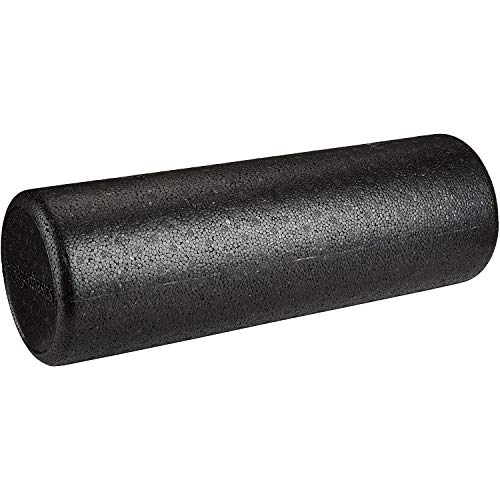
Amazon Basics High-Density Round Foam Roller
A firm, smooth-surface roller often used by people who want simple, even pressure without the more intense texture of grid-style rollers.
Good to know
Does foam rolling actually break up muscle knots?
Not in the literal physical sense that marketing often implies. The relief people feel is more likely from changes in blood flow and nervous system pain signaling than from physically dismantling tissue.
How long should you foam roll a sore muscle?
Most guidance suggests spending around thirty to sixty seconds per muscle group, since longer rolling on the same spot has not been shown to provide proportionally greater benefit.
Is it normal for foam rolling to hurt?
Mild discomfort on tight or sore areas is common, but sharp or severe pain is not normal and is a sign to ease off pressure or avoid that area, especially over joints or bone.
Can foam rolling replace stretching?
They serve different purposes and work well together, since rolling affects pressure sensation and blood flow while stretching lengthens muscle through sustained tension, and neither fully substitutes for the other.
Does foam rolling before a workout reduce strength performance?
Current evidence suggests brief foam rolling before exercise does not meaningfully reduce strength output, unlike some forms of static stretching held for a long time before heavy lifting.
Why does foam rolling feel less painful over repeated sessions on the same area?
This is likely due to the nervous system adapting its pain response to repeated, familiar pressure in that area, similar to how a new exercise feels harder the first few times than later on.
Can foam rolling help with soreness the day after a hard workout?
Yes, many people find rolling the day after a tough session reduces the sensation of stiffness, likely through improved local circulation, though it will not eliminate delayed onset soreness entirely.
Is a firmer foam roller always better than a softer one?
Not necessarily. Firmer rollers deliver more intense pressure which some prefer, but softer rollers are often more appropriate for beginners, very sore muscles, or more sensitive areas of the body.
Can foam rolling be used directly on an injury?
No, foam rolling is not appropriate for acute injuries, inflamed joints, or areas with sharp pain, since added pressure on injured tissue can worsen the problem rather than help it.
Does foam rolling help with recovery between multiple workouts in the same day?
It may provide some short-term relief in perceived tightness between sessions, though it is not a substitute for adequate rest, hydration, and nutrition for genuine recovery.
Why do some foam rollers have ridges or knobs instead of a smooth surface?
Textured surfaces concentrate pressure into smaller points, which some people find more effective for targeting specific tight spots, though they also feel more intense than a smooth roller for the same amount of pressure.
Can rolling the IT band actually relieve outer thigh tightness?
The IT band itself is a dense, fibrous structure that does not compress or stretch easily, so much of the relief felt when rolling that area likely comes from affecting nearby muscle tissue rather than the band itself.
Does foam rolling improve flexibility long-term, or just temporarily?
Most of the flexibility improvement from a single rolling session is temporary, lasting roughly ten to twenty minutes, though regular consistent rolling combined with stretching may contribute to longer-term range of motion gains.
Is it better to foam roll slowly or quickly over a sore area?
Slow, controlled movement generally allows better identification of tight or tender spots and gives the nervous system more time to respond to the pressure than fast, rushed rolling.
Can you foam roll too often?
Excessive daily rolling on the same tissue, especially at high pressure, can cause unnecessary bruising or irritation, so moderate, consistent use is generally more sustainable than aggressive daily sessions.
Does foam rolling work on larger muscle groups better than smaller ones?
Larger, flatter muscles like the quads and back are generally easier to roll effectively than smaller or more angular areas like the calves or forearms, which may need a smaller roller or ball for proper contact.
Can foam rolling help reduce muscle tightness caused by sitting at a desk all day?
It can provide some temporary relief for tightness in the hips and lower back from prolonged sitting, though addressing posture and taking regular movement breaks matters more for the underlying cause.
Is there a best time of day to foam roll for general maintenance rather than after a workout?
There is no strict best time, and many people find rolling in the evening or as part of a morning routine helpful for general stiffness, independent of a specific workout.
Do vibrating foam rollers provide any extra benefit over standard static rollers?
Vibrating rollers add an additional sensory input that some users find more effective for muscle relaxation, though the core benefit still comes from the same sustained pressure mechanism as a standard roller.
The bottom line
The relief is real, but it comes from calming the nervous system’s pain response and boosting local blood flow, not from physically dismantling muscle tissue. Used as a recovery habit alongside proper rest, it is a reasonable tool, just not a magic fix for every kind of soreness.
Derek Holt
Derek has a background coaching recreational and amateur athletes and has worked the sales floor at specialty fitness retailers. He focuses on equipment durability, ergonomics and realistic use cases rather than marketing claims.