Which Zero Turn Mower Fits Your Lawn Size and Budget
EGO Power Plus Z6 ZT4204L leads for quiet suburban mowing on battery power, Ariens IKON XD 52 suits larger open properties with its wide fabricated deck, and Husqvarna Z254F delivers proven gas performance at a more accessible tier. Deck width, transmission grade and power source separate these picks more than raw horsepower does.
Suburban lawns under two acres suit the EGO Power Plus Z6 best, since battery capacity now handles that acreage on a single charge. Larger properties call for the Ariens IKON XD 52 and its 52 inch fabricated deck. Husqvarna Z254F splits the difference with proven gas power at a lower cost of entry.
Getting this purchase wrong is easy, because deck width and transmission quality shape the experience more than engine badge ever will. Too wide a deck scalps flower beds on a small lot. A residential transaxle worn down by ten acres a week becomes an expensive lesson. We compared published specifications against what owners report after several seasons of use.
The shortlist, ranked

EGO Power Plus Z6 ZT4204L Zero Turn Riding Mower
Four 56V ARC Lithium batteries power independent brushless motors on each wheel, so no belt ever links engine to blade. Mowing quietly enough for a Sunday morning changes how this machine fits into a weekend routine. Owners report roughly two acres of coverage per charge under normal grass conditions.
Pros
- Runs quietly with zero exhaust fumes
- Skips engine oil, filters and fuel entirely
- Starts instantly with consistent power delivery
Cons
- Battery capacity caps total run time per charge
- Costs more upfront than comparable gas models
Ariens IKON XD 52 Zero Turn Mower
A fabricated deck and commercial style transaxles put this mower ahead on properties measured in hours, not minutes. Seat and suspension are built for long sessions rather than a quick pass. Open ground suits it best, since 52 inches struggles around tight landscaping.
Pros
- Covers large acreage in fewer passes
- Fabricated deck resists dents and wear
- Seat and suspension suit long mowing sessions
Cons
- Too wide for tight suburban garden beds
- Needs generous storage space to match
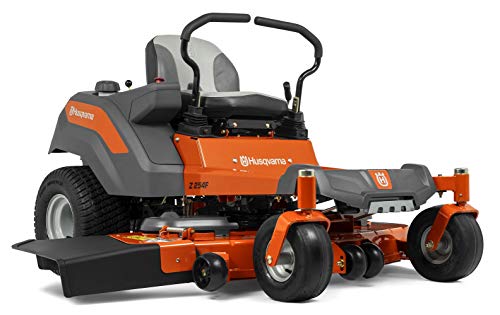
Husqvarna Z254F Zero Turn Mower
Reinforced deck edges and a Kawasaki V-twin engine target properties between one and three acres. Conventional lap bar controls keep the learning curve short. Parts and dealer support are easy to find, which matters more than it seems once a season goes wrong.
Pros
- Wide dealer and parts network nationwide
- Reinforced deck edge resists impact damage
- Strong cut width for the price tier
Cons
- Residential transaxles limit heavy daily use
- Ride feels firmer than premium competitors

Cub Cadet Ultima ZT1 50 Zero Turn Mower
Cub Cadet focuses on operator comfort here, pairing a padded high back seat with adjustable lap bars. Fabricated deck construction holds its shape better than stamped alternatives over time. Weekly mowing across an acre or two suits this machine well.
Pros
- Among the most comfortable seating in its class
- Fabricated deck resists denting over seasons
- Controls sit within easy reach while seated
Cons
- Weighs more than similarly sized rivals
- Deck wash port needs regular use to stay effective

Toro TimeCutter MX5075 Zero Turn Mower
Toro builds this frame rigid and wide stanced, which keeps the deck steady across rolling ground where lighter mowers scalp. MyRIDE suspension is available on select trims to soften jolting further. Washout ports on the deck simplify cleanup after each cut.
Pros
- Stays stable across rolling or uneven terrain
- Delivers clean cut quality even at speed
- Deck cleaning ports simplify maintenance
Cons
- Suspension seat limited to higher trims only
- Turning circle needs room near bed edges

Greenworks CrossoverZ 60V 42 inch Zero Turn Mower
Greenworks opens a more affordable path into battery zero turns, with a 42 inch deck sized for typical suburban plots. Run time swings heavily based on how many batteries you install, so confirm the configuration before ordering. Quiet operation and zero fuel handling remain the main draws.
Pros
- Lowest entry cost among battery zero turns here
- Quiet enough for early morning mowing sessions
- Skips fuel and oil maintenance entirely
Cons
- Run time varies widely by battery count
- Smaller dealer network for service and parts
Craftsman Z525 Zero Turn Mower
Craftsman keeps things simple with a stamped deck and dual hydrostatic drive, aimed at yards near an acre. Refinement is not the goal, and the price reflects that trade. Owners replacing a lawn tractor gain time savings that matter more than the spec sheet here.
Pros
- Lowest priced entry point into zero turn mowing
- Compact enough to fit through suburban gates
- Simple controls with a short learning curve
Cons
- Stamped deck wears faster than fabricated designs
- Seat padding is basic compared to premium trims
How they compare
| # | Model | Deck | Best for | Score | Price |
|---|---|---|---|---|---|
| 1 | EGO Power Plus Z6 ZT4204L Zero Turn Riding Mower | 42 inch | Best overall | 9.4 | Check price |
| 2 | Ariens IKON XD 52 Zero Turn Mower | 52 inch fabricated | Best for large lawns | 9.2 | Check price |
| 3 | Husqvarna Z254F Zero Turn Mower | 54 inch reinforced | Best value | 9.0 | Check price |
| 4 | Cub Cadet Ultima ZT1 50 Zero Turn Mower | 50 inch fabricated | Best for comfort | 8.8 | Check price |
| 5 | Toro TimeCutter MX5075 Zero Turn Mower | 50 inch | Best for uneven ground | 8.6 | Check price |
| 6 | Greenworks CrossoverZ 60V 42 inch Zero Turn Mower | 42 inch | Best budget battery | 8.4 | Check price |
| 7 | Craftsman Z525 Zero Turn Mower | 46 inch stamped | Best for mid size yards | 8.0 | Check price |
How to pick the right one
What deck size do you actually need? Obstacles decide deck size more than acreage alone. A 54 inch deck cuts fast across open ground but forces trim passes around every tree, bed and post. Suburban plots with landscaping often finish faster under a 42 to 46 inch deck. Save wider decks for truly open acreage where long straight passes are possible.
How much does transmission grade matter? Sealed residential transaxles handle a few hours of weekly mowing without issue. Serviceable commercial transaxles cost more but tolerate continuous daily use and accept repair instead of replacement. Weekly mowing beyond two or three acres makes that distinction worth more than extra horsepower.
Battery or gas, which fits your property? Battery zero turns now offer real quiet operation, instant starting and zero oil or filter maintenance. Run time and purchase cost remain the tradeoffs, so they suit lawns finished within a single charge. Gas stays the better answer for large acreage or whenever recharging between sessions is impractical.
Are zero turn mowers dangerous on slopes? Zero turns steer by spinning rear wheels at different speeds, leaving caster front wheels with little grip on a hillside. Traction loss on a side slope can turn into a slide fast. Reversing downhill is where most reported incidents happen. Stick to the manufacturer’s stated slope limit, mow up and down rather than across on any real grade, and keep a conventional mower on hand for steep banks.
Frequently asked questions
What size zero turn mower do I need?
42 inches suits yards up to about an acre. 46 to 50 inches fits one to three acres. 54 inches and above works best on larger open properties. Obstacles push the choice toward the narrower end.
Are zero turn mowers safe on hills?
Caution is required. Steering relies on rear wheel traction, so slopes a lawn tractor handles easily can be risky here. Check the manufacturer’s stated slope limit before attempting a hillside.
Is a battery zero turn mower powerful enough for tough grass?
For typical residential lawns, yes. Brushless motors deliver strong blade speed and instant torque from a standstill. Run time per charge is the real limiting factor, not cutting power.
How long do zero turn mowers last?
Residential models commonly reach several hundred hours with regular upkeep. Commercial grade machines are built toward thousands of hours. Deck cleaning, blade sharpening and transaxle care stretch that number furthest.
Do zero turn mowers cut better than lawn tractors?
They cut faster and trim closer around obstacles thanks to the steering design. Cut quality itself still depends on deck design, blade sharpness and ground speed rather than steering type.
What maintenance does a zero turn mower need?
Gas models need oil changes, air filter service, spark plugs, belt checks and blade sharpening. Battery models skip most of that, leaving blades, deck cleaning and occasional greasing.
Can a zero turn mower bag or mulch clippings?
Most accept mulching kits and bagging systems as add on accessories. Confirm compatibility before buying, since kits are deck specific and not sold for every width.
Why does a zero turn mower scalp the lawn?
Usually the deck sits too low, tire pressure is uneven, or turns happen too sharply on undulating ground. Raise the cut height, match tire pressures to the manual and slow down through turns.
Zero turn mower vs riding lawn tractor, which is worth buying?
Zero turns win on speed and trim precision around obstacles, but cost more upfront for a given deck width. Lawn tractors handle light hauling and towing better and often cost less to buy. Choose based on how much trimming your yard actually needs.
Our take
EGO Power Plus Z6 remains the strongest pick for most suburban lawns, since it removes engine maintenance while still finishing within typical acreage on a charge. Ariens IKON XD 52 carries the deck width and transaxles needed for larger open properties. Husqvarna Z254F stays the dependable gas middle ground for one to three acre yards.
Sierra Daniels
Sierra's background is in landscape design and nursery retail. She focuses on lawn and garden equipment, outdoor furniture and gear durability, weighing published specs against how materials actually hold up outside.