Which Yoga Mat Size Fits a Child, Tween or Teen?
Gaiam Kids Yoga Mat fits children under about ten at 60 inches long, short enough that small feet stay on the surface. Retrospec Solana carries a tween through a growth spurt at 71 inches. Teens in regular classes should take the Manduka Begin for its closed-cell grip.
Gaiam Kids Yoga Mat suits most young first-timers, since 60 inches matches a shorter body and textured 3mm PVC holds on wood floors. Weight sits near 1.5 pounds, light enough for a child to roll and carry alone. Padding is thin, so kneeling on a hard floor wants a folded towel underneath.
Sizing for a growing child gets awkward fast. A 68 inch adult mat bunches under small feet, and thick foam makes balance poses harder rather than kinder. We compared length, thickness, surface material, grip texture and cleaning needs across current listings. Owner reports on slipping, curling edges and lingering smell decided the order.
What to look for
What to look for in a youth yoga mat Length comes first. Under a seven year old, a 68 inch adult mat leaves a long unused tail that bunches during poses. Thickness ranks second, and thinner usually wins for yoga: 3 to 5mm keeps a child in contact with the floor. Grip texture beats any marketing term, since slipping hands in downward dog cause most of the frustration. Weight then decides who carries the mat, the child or you.
Thickness and grip: why thinner often wins Thick foam feels generous in a shop and unstable in tree pose. Soft surfaces let ankles roll, which makes balance harder for kids still building proprioception. Keep 1/2 inch mats such as the BalanceFrom GoYoga and Amazon Basics for stretching and floor exercise. Real yoga classes suit 3 to 5mm, like the Gaiam Kids or Manduka Begin. Where a child sweats, closed-cell and towel-topped surfaces beat open foam, which soaks through and goes slick.
Best mats by age: young children, tweens and teens Under ten, 60 inches fits the body and stays light to carry, which is the Gaiam Kids size. Between roughly ten and thirteen, a 71 inch mat such as the Retrospec Solana absorbs a growth spurt. Teenagers in weekly classes gain more from grip than length, so the Manduka Begin or JadeYoga Harmony earns its place. Buying one adult mat at age six usually backfires; children fight the extra length for years and quit sooner.
Materials, smell and keeping a mat clean PVC lasts longest and resists dents, though it cannot be recycled. TPE weighs less and off-gasses far less, which matters when the mat lives in a bedroom. Natural rubber grips best and brings both a strong initial odour and a latex warning. Cleaning stays simple: diluted mild soap on a cloth, then dry flat before rolling. Towel-topped mats like the Yoga Design Lab Combo go through a cool machine cycle instead.
Our top picks

Gaiam Kids Yoga Mat
Measuring 60 by 24 inches, this mat covers roughly ages four to ten without the spare length that trips small feet. Its textured 3mm PVC top holds position on wood and laminate. Printed designs also help a child spot their own mat in a busy class.
Pros
- Sixty inch length matches children under about ten
- About 1.5 lb, so a child carries it alone
- Textured top holds on wood and laminate
Cons
- Three millimetres leaves knees exposed on hard floors
- Printed surface wears at the edges first

Retrospec Solana Yoga Mat
Six millimetres of TPE cushions floor sequences while older children still feel the ground underneath. Both faces carry texture, gripping the studio floor and the hands at the same time. A carry strap ships in the box, which matters for kids walking to class.
Pros
- Textured on both faces for two-way grip
- TPE weighs less and smells less than PVC
- Carry strap included as standard
Cons
- Seventy-one inches overwhelms smaller children
- Six millimetres feels soft during balance poses
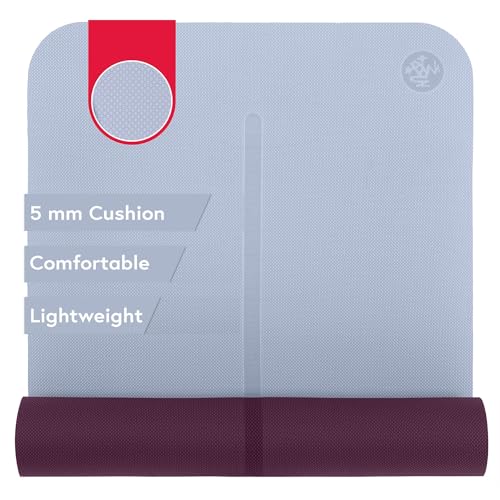
Manduka Begin Yoga Mat
Each side gets its own texture, one tuned for standing sequences and a softer one for floor work. Closed-cell TPE blocks sweat from soaking in, so the surface does not turn slick mid-class. Five millimetres lands between yoga and general stretching, matching how most teenagers actually train.
Pros
- Closed-cell surface keeps sweat on top
- Two textures cover standing and floor work
- Manduka stock and support are easy to find
Cons
- Adult 68 inch length suits taller teens only
- Built lighter than Manduka’s PRO line

BalanceFrom GoYoga All-Purpose Yoga Mat
Buy this while nobody knows yet whether yoga lasts past the first term. Half an inch of NBR foam takes pressure off knees during kneeling and seated poses. That same softness costs stability in tree and warrior, so treat it as a general exercise mat.
Pros
- Half inch foam protects knees on hard floors
- Low-risk starter while the interest is unproven
- Strap keeps it rolled in a cupboard
Cons
- Soft foam wobbles during standing balance
- Surface dents where weight sits for long

JadeYoga Harmony Yoga Mat
Open-cell natural rubber grips harder than anything else here, wet or dry. Hot and vinyasa classes are where a teen notices the difference. Rubber arrives with a strong smell for the first few weeks and rules out anyone carrying a latex allergy.
Pros
- Strongest grip in this lineup, damp or dry
- Natural rubber construction rather than PVC
- Holds its shape after repeated rolling
Cons
- Contains natural rubber latex, so allergies rule it out
- Initial rubber odour takes weeks to fade
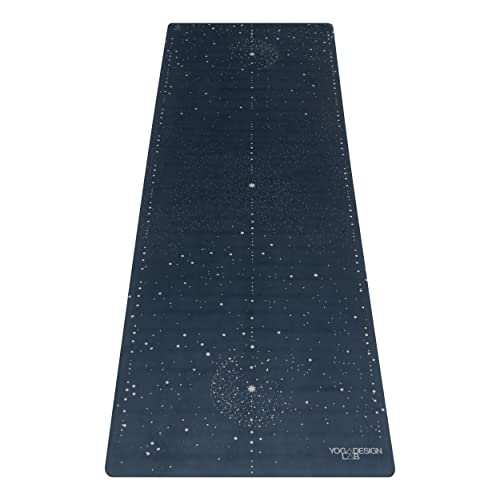
Yoga Design Lab Combo Yoga Mat
A microfibre towel is bonded onto a natural rubber base, so grip climbs as the surface dampens. Warm studios are the obvious use, where a dry mat would go slippery within minutes. Cleaning means a machine wash rather than a quick wipe, which is more upkeep than plain PVC.
Pros
- Grip improves once hands and feet get damp
- Top layer goes through a machine wash
- Thin 3.5 mm profile rolls small for a kit bag
Cons
- Little cushioning at 3.5 mm
- Must dry fully before it gets rolled away

Amazon Basics 1/2 Inch Extra Thick Exercise Yoga Mat
Half an inch of NBR foam shields knees, elbows and tailbone through floor sequences. Kids who find hard floors uncomfortable feel that difference immediately. Standing poses suffer, since deep foam compresses unevenly, so add a firmer mat once balance work starts.
Pros
- Deepest cushioning here for floor exercises
- Seventy-four inches suits tall teenagers
- Ridged texture adds grip on smooth floors
Cons
- Too soft for steady standing balance
- Bulky roll to carry to a class
The lineup, side by side
| # | Model | Size | Best for | Score | Price |
|---|---|---|---|---|---|
| 1 | Gaiam Kids Yoga Mat | 60 by 24 in | Best overall for younger kids | 9.4 | Check price |
| 2 | Retrospec Solana Yoga Mat | 71 by 24 in | Best value | 9.2 | Check price |
| 3 | Manduka Begin Yoga Mat | 68 by 24 in | Best for teens | 9.0 | Check price |
| 4 | BalanceFrom GoYoga All-Purpose Yoga Mat | 71 by 24 in | Best budget | 8.7 | Check price |
| 5 | JadeYoga Harmony Yoga Mat | 68 by 24 in | Best grip | 8.5 | Check price |
| 6 | Yoga Design Lab Combo Yoga Mat | 70 by 24 in | Best for travel and classes | 8.3 | Check price |
| 7 | Amazon Basics 1/2 Inch Extra Thick Exercise Yoga Mat | 74 by 24 in | Best for cushioning | 8.0 | Check price |
Questions worth asking
What size yoga mat is best for a child?
Around 60 inches suits children under about ten, which is the Gaiam Kids size. Tweens do better on 71 inches, and teenagers fit a standard adult 68 inch mat.
How thick should a kids yoga mat be?
Three to five millimetres for yoga, because thin mats give clearer balance feedback. Choose 1/2 inch only when sessions are mostly floor stretching rather than standing poses.
Are thick yoga mats better for kids?
Not for yoga. Deep foam cushions knees but lets ankles roll in balance poses, which slows learning. Slide a folded towel under the knees on a thin mat instead.
Which yoga mat grips best for sweaty hands?
JadeYoga Harmony, since open-cell natural rubber holds wet or dry. Yoga Design Lab’s Combo is the alternative, because its bonded microfibre top gets grippier as it dampens.
Is PVC or TPE better for a child’s yoga mat?
TPE weighs less, recycles and smells far less, which suits indoor use. PVC lasts longer and keeps its shape, and the Gaiam Kids version leaves out phthalates and latex.
Can teens use adult yoga mats?
Yes. By roughly thirteen most teens fit a 68 inch mat comfortably, so the decision shifts from length to grip and surface material.
Which yoga mat is best for a tween?
Retrospec Solana at 71 inches, because it covers a growth spurt instead of fitting for one season. Both faces are textured, which helps on polished school floors.
Are yoga mats safe for kids with a latex allergy?
Avoid natural rubber, including the JadeYoga Harmony. PVC and TPE mats such as the Gaiam Kids and Manduka Begin contain no latex.
How do you clean a kids yoga mat?
Wipe with diluted mild soap on a cloth, rinse and dry flat before rolling. Never soak open-cell rubber. Towel-topped mats handle a cool machine wash.
What is the best cheap yoga mat for a beginner kid?
BalanceFrom GoYoga is the low-risk start when interest is still unproven. It includes a strap and cushions floor work, although balance poses feel wobbly.
The verdict
Gaiam Kids Yoga Mat is the buy for children under about ten, because correct length does more for a young practice than extra padding ever will. Teenagers in weekly classes should skip it for the Manduka Begin, or the JadeYoga Harmony when sweat is the real problem. Families unsure the interest will last can begin on the BalanceFrom GoYoga and move up later.
Derek Holt
Derek has a background coaching recreational and amateur athletes and has worked the sales floor at specialty fitness retailers. He focuses on equipment durability, ergonomics and realistic use cases rather than marketing claims.
You might also need
The 7 Best Portable Camping Mattresses for a Great Night’s Sleep

Skateboards Sized Right for a Beginner Kid
Picking an Exercise Bike That Fits Your Space and Goals
