Which Yoga Mats Hold Up on Grass, Decking and Sand
Manduka PRO is the outdoor pick for most people, because its closed cell surface blocks dew and grit instead of absorbing them. Jade Yoga Harmony grips harder on damp ground but needs shade between sessions. Gaiam Performance Cork resists odour in heat, which matters on a sun warmed deck.
Manduka PRO is the mat to take outside, since closed cell PVC keeps dew, sweat and lawn moisture on the surface and wipes clean in seconds. Weight is the cost, at roughly 7.5 lb in the 71 inch length. Anyone walking to a park should carry the eKO Superlite and accept thinner cushioning.
Outdoor practice reshuffles the ranking, because UV, damp grass and embedded grit ruin mats that behave beautifully on a studio floor. We compared surface construction, stated thickness, weight, length and each material’s response to moisture and sun. Owner reports on slipping, rubber odour and surfaces that shed decided the close calls.
The best picks, ranked

Manduka PRO Yoga Mat
A 6mm closed cell surface holds moisture on top rather than letting it soak in, which is what dewy grass demands. Dense construction supports knees on hard decking where thinner mats bottom out. New mats arrive slick, so grip builds over the first several sessions.
Pros
- Grit and moisture wipe straight off
- Dense enough for knees on concrete or decking
- 85 inch version suits taller practitioners
Cons
- Heavy to carry more than a few blocks
- Surface stays slippery until broken in

Jade Yoga Harmony Mat
Open cell natural rubber grips harder as hands get damp, reversing how most PVC mats behave. Traction on a slightly wet lawn is the strongest in this group. Rubber breaks down under prolonged UV, so rolling it up between sessions matters more than with synthetics.
Pros
- Traction climbs as palms get damp
- Cushioning holds up in standing sequences
- Natural rubber rather than PVC construction
Cons
- Direct sun degrades the rubber over months
- Latex content rules it out for some users

Gaiam Performance Cork Yoga Mat
Cork stays cool underfoot and skips the sour smell foam picks up after sweaty sessions. Underneath, a TPE base supplies cushioning that cork alone cannot. Grip needs a trace of moisture, so completely dry palms can feel slick on a hot afternoon.
Pros
- Runs cooler than dark foam in direct sun
- Shrugs off odour without deep cleaning
- No rubber smell when unrolled new
Cons
- Slick under fully dry hands
- Cork sheds lightly during early use
Yoga Design Lab Combo Mat
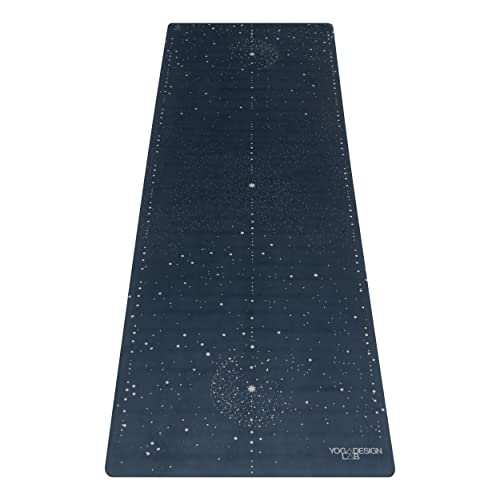
Microfibre towel is bonded straight onto a natural rubber base, so nothing slides out of place mid flow. Sweat strengthens grip, which suits a hot patio session. Washing machines handle the whole mat, a real advantage once grass and dust work into the fibres.
Pros
- Bonded towel cannot bunch or shift
- Machine washing clears ground in grass
- Grip strengthens as you sweat
Cons
- Drying takes hours after a wash
- 3.5mm gives little padding on concrete
Manduka eKO Superlite Travel Mat
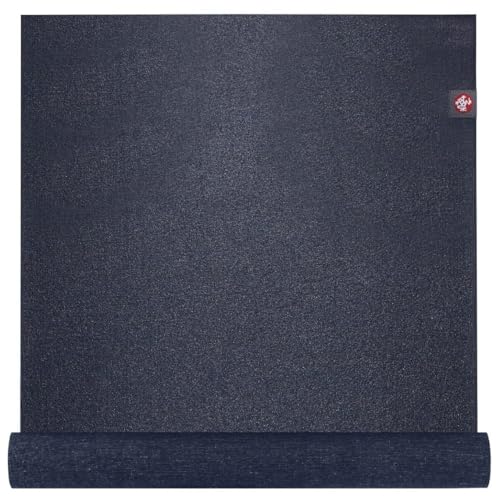
At 1.5mm and roughly 2 lb, this folds into a backpack rather than riding on a shoulder sling. Natural rubber keeps traction respectable despite the thinness. Padding is minimal, so it belongs over grass or sand instead of straight on concrete.
Pros
- Folds into a daypack instead of rolling
- Light enough for a bike or a hike
- Rubber holds grip on damp ground
Cons
- Barely any cushioning for kneeling poses
- Fold creases take weeks to settle
Heathyoga Eco Friendly Non Slip Yoga Mat
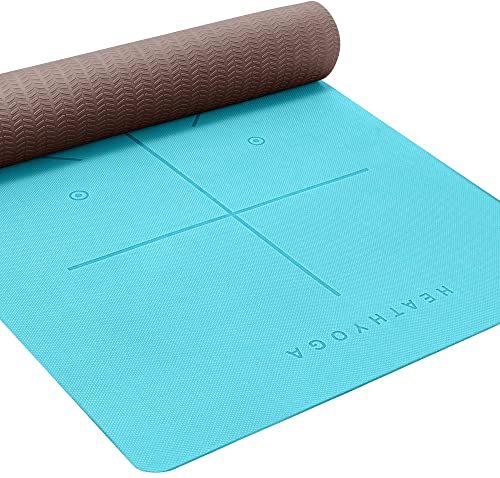
Extra width gives room to spread out where the ground refuses to be level. Printed alignment lines guide hand and foot placement with no mirror or studio floor to check against. A textured TPE underside resists sliding on decking and short grass.
Pros
- 26 inch width covers uneven outdoor ground
- Alignment lines help self correction
- Latex free for sensitive users
Cons
- TPE dents under sustained pressure
- Corners lift in a breeze

BalanceFrom GoYoga All-Purpose 1/2-Inch Yoga Mat
Half an inch of high density foam targets joint comfort rather than stability, which suits stretching and floor work on a hard patio. Moisture resistant surfacing wipes down after a session on grass. That thickness undermines balance poses, so standing sequences belong on something firmer.
Pros
- Deep padding protects knees on concrete
- Wipes clean after outdoor sessions
- Carry strap comes in the box
Cons
- Too soft for stable balance poses
- Foam compresses over months of use
What to look for
What outdoor practice does to a yoga mat Three forces work against a mat outside. Ultraviolet light breaks down natural rubber over months, which is why Jade and eKO mats want shade between sessions. Dew and damp grass sink into open cell surfaces and stay there. Grit embeds in soft foam, then scratches whatever the mat rolls against. Material, not brand, decides how a mat copes with all three. Check what the top layer is made of before anything else.
Closed cell vs open cell surfaces Closed cell tops such as the Manduka PRO stop liquid at the surface, so everything wipes off. Grass, sand and shared patios all favour that. Open cell surfaces drink up sweat, which raises grip but traps dirt and demands proper drying. Jade Harmony sits at that end and rewards you on damp ground. Dusty practice spots make closed cell the time saver. Sweaty flows in still air make open cell the grippier call.
How thick should an outdoor mat be for grass, decking or sand Grass and sand cushion you already, so 1.5mm to 3.5mm is plenty and packs smaller. Concrete patios and wooden decking ask for 5mm or more at the knees and wrists. Past roughly 8mm, the surface shifts under a single leg and balance poses suffer. Half inch foam like the BalanceFrom crosses that line deliberately, trading stability for padding. Pick thickness from the hardest surface you use regularly, not the softest.
Weight, wind and cleaning up after a session outside Mats under about 3 lb lift at the corners in a breeze, a real nuisance on an exposed rooftop. A bag or two blocks on the corners fixes it. Heavier mats stay planted but punish anyone walking more than a few blocks, which is where the 2 lb eKO Superlite earns its place. Shake the mat out before rolling so grit travels no further. Damp cloth and mild soap handle closed cell surfaces. Yoga Design Lab Combo goes in the washing machine, the only pick here that truly clears ground in grass.
How they compare
| # | Model | Thickness | Best for | Score | Price |
|---|---|---|---|---|---|
| 1 | Manduka PRO Yoga Mat | 6mm | Best overall | 9.4 | Check price |
| 2 | Jade Yoga Harmony Mat | 3/16 in, about 4.8mm | Best grip on damp ground | 9.2 | Check price |
| 3 | Gaiam Performance Cork Yoga Mat | 5mm | Best for hot weather | 9.0 | Check price |
| 4 | Yoga Design Lab Combo Mat | 3.5mm | Best for sweaty flows | 8.8 | Check price |
| 5 | Manduka eKO Superlite Travel Mat | 1.5mm | Best for carrying to the park | 8.6 | Check price |
| 6 | Heathyoga Eco Friendly Non Slip Yoga Mat | 6mm | Best extra wide | 8.3 | Check price |
| 7 | BalanceFrom GoYoga All-Purpose 1/2-Inch Yoga Mat | 1/2 in, about 12.7mm | Best budget | 8.0 | Check price |
Questions worth asking
Can you use a normal yoga mat outside?
Yes, though wear speeds up. Grit scratches soft foam, and open cell surfaces soak up dew. Closed cell mats such as the Manduka PRO last far longer outdoors because dirt and moisture never get inside the top layer.
Which yoga mat grips best on grass?
Jade Yoga Harmony grips hardest once palms get damp, thanks to open cell natural rubber. On dry grass, Manduka PRO stays steadier because weight stops it shifting. Ground level matters more than surface texture either way.
Does sunlight damage a yoga mat?
Prolonged UV attacks natural rubber first, causing fine surface cracking over months. PVC and TPE last longer but fade. Roll the mat up and store it in shade rather than leaving it out between sessions.
How thick should an outdoor yoga mat be?
On grass or sand, 1.5mm to 3.5mm is enough because the ground cushions you. Decking and concrete call for 5mm or more. Beyond roughly 8mm, balance poses get noticeably harder to hold.
Is a cork yoga mat good for outdoor use?
Cork suits warm weather, staying cooler than dark foam and resisting odour. Grip works best with slightly damp hands, so a dry session can feel slick. A TPE backing supplies the cushioning cork lacks.
Which yoga mat is easiest to carry to a park?
Manduka eKO Superlite weighs roughly 2 lb and folds into a backpack instead of needing a strap. Cushioning drops to 1.5mm, so it works best over grass. Heavier mats are better left in the car.
Do yoga mats blow away in wind?
Light mats under about 3 lb lift at the corners on an exposed deck or rooftop. Weighting corners with a bag or blocks stops it. Heavy mats like the Manduka PRO rarely move at all.
What is the best yoga mat for practising on a deck?
Decking is hard and often warm, so 5mm or more plus a heat tolerant top works best. Manduka PRO handles the hardness, and Gaiam Performance Cork stays cooler in afternoon sun. Both wipe clean after use.
How do you clean a yoga mat after using it on grass?
Shake it out before rolling so grit does not transfer into the roll. Wipe closed cell surfaces with a damp cloth and mild soap, then dry flat. Open cell rubber must dry fully or it starts to smell.
Is a rubber or PVC mat better outdoors?
Rubber grips better when damp, which helps on dewy lawns and in humid air. PVC shrugs off UV and moisture for longer, so it survives more seasons outside. Grip priority points to rubber, longevity to PVC.
The bottom line
Manduka PRO is the outdoor mat worth committing to, since a closed cell surface turns grass, dust and sweat into a quick wipe down rather than a cleaning project. Practitioners chasing maximum traction on damp ground should take the Jade Harmony instead and store it away from direct sun. For anyone walking or cycling to a park, the eKO Superlite is the only pick here that genuinely fits inside a backpack.
Derek Holt
Derek has a background coaching recreational and amateur athletes and has worked the sales floor at specialty fitness retailers. He focuses on equipment durability, ergonomics and realistic use cases rather than marketing claims.