Which Wetsuit Thickness Actually Keeps You Warm?
The O’Neill Reactor-2 3/2mm leads this roundup, pairing flexible neoprene with sealed seams and a back zip anyone can manage solo. Milder water swimmers get better value from the Hyperflex Access 3/2mm. For genuinely cold conditions, the O’Neill Epic 4/3mm adds warmth without sacrificing paddling range.
Most surfers and open water swimmers do best with the O’Neill Reactor-2 3/2mm. It covers the widest range of conditions without a big outlay. Winter sessions call for the O’Neill Epic 4/3mm, while swimmers in milder water who want to spend less can pick the Hyperflex Access 3/2mm.
Two suits with identical thickness numbers can feel completely different in the water. Seam construction and neoprene grade shift warmth more than a millimetre either way. We compared published thickness ratings, seam types, lining materials, entry systems and panel layouts across current models, then weighed those specs against what owners report about neck flush, shoulder fatigue and durability over a season.
The best picks, ranked

O’Neill Reactor-2 3/2mm Back Zip Full Wetsuit
This 3/2mm suit suits most owners as a first or only wetsuit, thanks to flatlock construction with sealed panels that limits water entry. A back zip with a leash makes solo entry manageable even in a windy car park. Owners report the shoulders staying flexible for paddling, with the suit lasting multiple seasons under basic rinse care.
Pros
- Easy solo entry with the zip leash
- Shoulders stay flexible for paddling
- Holds up across a full season
Cons
- Back zip allows more flush than a chest zip
- Not warm enough for winter water

O’Neill Epic 4/3mm Back Zip Full Wetsuit
An extra millimetre across the core makes a real difference once water temperatures drop. Sealed and glued seams cut the cold trickle that ends sessions early. Shoulders are stiffer than on a 3/2 suit, the honest tradeoff for added warmth, and a double neck seal limits flush down the back.
Pros
- Noticeably warmer in cold conditions
- Sealed seams reduce cold water entry
- Double neck seal limits flush down the back
Cons
- Stiffer through the shoulders than thinner suits
- Takes longer to dry between sessions
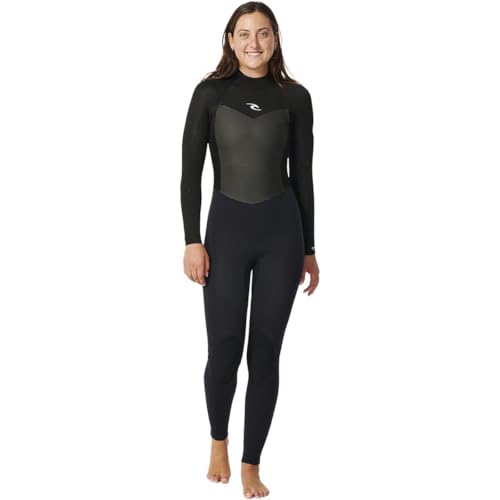
Rip Curl Omega 3/2mm Back Zip Wetsuit
Rip Curl’s stretch neoprene bends more through the arms and shoulders than the thickness number suggests. Long paddles feel less tiring as a result. Flatlock seams keep the back zip design affordable, drain quickly and dry fast, though they let in slightly more water than sealed alternatives.
Pros
- Very flexible through the shoulders
- Dries faster than sealed suits
- Comfortable against the skin
Cons
- Flatlock seams let in more water
- Less warm than a sealed suit of the same thickness

Hyperflex Access 3/2mm Back Zip Full Wetsuit
Beginners getting into surfing, paddleboarding or open water swimming in temperate conditions find this a sensible first suit. Neoprene here is less refined than premium suits, but the chest fit is generous, which suits broader builds better than performance cuts. Flatlock seams keep the outlay down and the drying time short.
Pros
- Low outlay for a full suit
- Roomier cut suits broader builds
- Quick to dry between sessions
Cons
- Neoprene is stiffer than premium suits
- Flatlock seams limit cold water use

Xcel Axis 4/3mm Chest Zip Wetsuit
Chest zip entry is the reason to pick this suit, since no zip runs down the spine and cold water flush drops sharply. Back panel flexibility stays intact without a zip line interrupting it. Getting in takes practice compared with a back zip, though regular cold water surfers report the warmth gain is worth the awkward first attempts.
Pros
- Chest zip greatly reduces flush
- Back panel stays flexible without a zip
- Thermal lining warms the core quickly
Cons
- Harder to get into unassisted at first
- Higher outlay than back zip suits

Seavenger Navigator 3mm Full Wetsuit
Snorkellers and recreational divers get more from this suit than surfers do, with even 3mm thickness throughout and reinforced knees for boat entries. Its cut favors comfort over paddling range, unlike aggressive surf specific patterns. Owners report the ankle and wrist seals performing well for the outlay.
Pros
- Even thickness suits diving use
- Reinforced knees for boat and rock entries
- Effective wrist and ankle seals
Cons
- Less shoulder range for paddling
- Not intended for cold water

Lemorecn 3mm Neoprene Full Wetsuit
Occasional use, kayaking trips or a spare suit in the car are where this 3mm option earns its keep. Basic neoprene and flatlock seams mean it is not built for cold water. As a backup that stops a summer session ending early, it does what is asked of it.
Pros
- Lowest outlay of the group
- Fine for occasional and holiday use
- Packs down small for travel
Cons
- Basic neoprene feels stiff
- Seams let water through readily
Before you buy
What wetsuit thickness numbers actually mean A 3/2 suit carries 3mm of neoprene over the core and 2mm over the arms and legs, thicker where heat loss is greatest. Roughly speaking, 3/2 covers mild conditions, 4/3 handles cold water and 5/4 with a hood is winter territory. Cold tolerance varies enough between people that identical suits can feel different in the same water.
Why seam construction matters more than thickness Flatlock seams get stitched straight through the neoprene, so they stay comfortable and quick drying, but water gets in. Glued and blind stitched seams skip that perforation, holding warmth far better. Fully taped seams add another sealing layer inside. Choosing between a thicker flatlock suit and a thinner sealed suit for cold water, the sealed option usually wins.
Back zip vs chest zip: which entry system fits you Back zips go on easily without help, which counts for a lot in a cold car park. Their zip line, though, becomes a channel for water down the spine. Chest zips seal far better and leave the back panel flexible, at the cost of a wrestling match on every entry. Beginners tend to prefer back zips, and most surfers switch to chest zips once sessions get colder.
Why fit matters more than any spec on the label A wetsuit works by trapping a thin layer of water that body heat warms. Loose suits flush constantly and never warm up properly. A new suit should feel snug to the point of mild awkwardness on dry land, with no baggy pockets behind the knees or across the lower back. Check the manufacturer’s size chart against height and chest measurement rather than guessing from usual clothing size.
Compared at a glance
| # | Model | Thickness | Best for | Score | Price |
|---|---|---|---|---|---|
| 1 | O’Neill Reactor-2 3/2mm Back Zip Full Wetsuit | 3mm body, 2mm limbs | Best overall | 9.4 | Check price |
| 2 | O’Neill Epic 4/3mm Back Zip Full Wetsuit | 4mm body, 3mm limbs | Best for cold water | 9.2 | Check price |
| 3 | Rip Curl Omega 3/2mm Back Zip Wetsuit | 3mm body, 2mm limbs | Best for flexibility | 9.0 | Check price |
| 4 | Hyperflex Access 3/2mm Back Zip Full Wetsuit | 3mm body, 2mm limbs | Best value | 8.8 | Check price |
| 5 | Xcel Axis 4/3mm Chest Zip Wetsuit | 4mm body, 3mm limbs | Best chest zip option | 8.6 | Check price |
| 6 | Seavenger Navigator 3mm Full Wetsuit | 3mm throughout | Best for diving and snorkelling | 8.3 | Check price |
| 7 | Lemorecn 3mm Neoprene Full Wetsuit | 3mm | Best budget full suit | 8.0 | Check price |
Common questions
How tight should a wetsuit fit?
Snug everywhere works best, with no loose folds behind the knees, across the lower back or under the arms. Full breathing and arm movement should still feel possible. On dry land the suit should feel close fitting, almost restrictive.
What wetsuit thickness do I need for my water temperature?
As a general guide, 3/2mm suits mild conditions, 4/3mm handles cold water and 5/4mm with a hood covers winter. Wind, session length and personal cold tolerance shift these numbers. Err thicker if you tend to get cold easily.
Can I wear something under a wetsuit?
Yes, a rash vest or thermal top reduces chafing and adds warmth underneath. Loose clothing creates channels for water movement, which cools the suit down. Keep any base layer close fitting for it to help rather than hurt.
How do I stop water flushing down my back?
Start by checking the neck seal sits flat against the skin and the zip flap folds correctly when closed. Flush that persists in a back zip suit usually points to zip design rather than a loose neck. Switching to a chest zip is the more reliable fix.
What is the difference between a chest zip and a back zip wetsuit?
Back zips go on easily without assistance, which matters most for beginners. Chest zips seal better against flush because no zip line runs down the spine. The tradeoff is a harder, more awkward entry every time.
How should I care for a wetsuit after each session?
Rinse with cold fresh water after every session, then dry the suit inside out in the shade. Hang it over a wide hanger rather than a thin one to avoid stress points. Sunlight and hot water break down neoprene faster than normal use does.
Why does my wetsuit smell after a few uses?
Bacteria from sweat and salt water trapped inside the neoprene causes the smell. A dedicated wetsuit wash paired with a thorough rinse after each use clears it. Leaving a suit balled up wet in a bag speeds the problem along.
Is a shorty wetsuit enough for summer sessions?
In genuinely warm water, a shorty stays comfortable and easy to move in. Wind chill or longer sessions change that equation quickly. A full 3/2 suit keeps swimmers and surfers out considerably longer in those conditions.
How many seasons does a wetsuit typically last?
Owners report two to four seasons of regular use before seams and neoprene start failing. Care makes the biggest difference to that lifespan. Suits used only a handful of times a year and rinsed properly last well beyond that.
Our take
The O’Neill Reactor-2 3/2mm suits most people best, warm enough for the conditions most sessions actually happen in and simple to get on without help. Cold water sessions call for the O’Neill Epic 4/3mm instead. Anyone whose sessions keep ending from flush down the back should look at the Xcel Axis chest zip.
Sierra Daniels
Sierra's background is in landscape design and nursery retail. She focuses on lawn and garden equipment, outdoor furniture and gear durability, weighing published specs against how materials actually hold up outside.
You might also need

Which Luggage Tracker Actually Keeps Up With Your Bag?

Travel Adapter or Voltage Converter: What You Actually Need
9 Things a Pressure Washer Can Actually Clean