Vegetable Seed Packets Worth Planting This Season
Sow Right Seeds Vegetable Garden Collection ranks first for new gardens, since instructions on each packet cover sowing depth, spacing and days to maturity. Survival Garden Seeds Heirloom Vault suits growers who plan to save seed every year. Burpee Big Boy Hybrid Tomato Seeds remains the dependable pick for home tomato harvests.
Sow Right Seeds Vegetable Garden Collection gives new gardeners the best shot at an actual harvest, since packet instructions cover sowing depth and days to maturity for each crop. Survival Garden Seeds Heirloom Vault fits gardeners who want to save seed year after year. Burpee Big Boy Hybrid Tomato Seeds stays the safe bet for the crop most people judge a season by.
Packet dates hide more than they reveal, and germination drops fast once seed ages past its printed season. We compared packing dates, hybrid versus heirloom status, printed germination figures and grower reports on actual emergence to rank the seven picks below.
What we recommend

Sow Right Seeds Vegetable Garden Seed Collection
This multi variety collection targets crops with strong odds for a first garden. Each packet lists sowing depth, spacing and days to maturity on the back. Growers report better emergence when seed goes in at the stated depth instead of scattered on the surface.
Pros
- Packet instructions cover sowing depth and spacing
- Variety mix favors crops with high first season odds
- Packet count suits a full home bed
Cons
- Variety mix is fixed, not customizable
- A few crops in the mix suit only part of the season
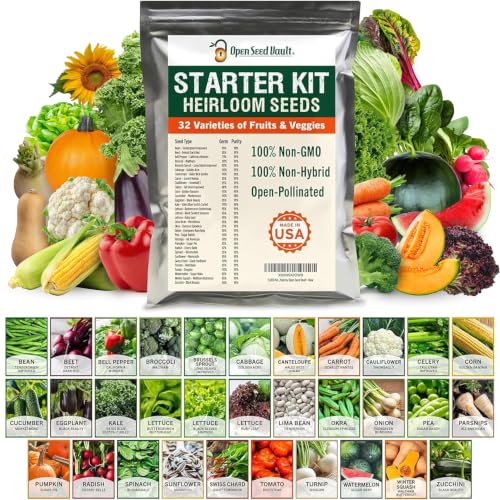
Survival Garden Seeds Heirloom Vegetable Seed Vault
Foil packets hold a large assortment of open pollinated heirloom varieties built for long term storage. Saved seed from open pollinated plants grows true to type the following season. Owners report the resealable foil outperforms paper packets once opened, since paper degrades fast in humid sheds.
Pros
- Open pollinated seed breeds true when saved
- Foil packaging resists humidity better than paper
- One purchase covers a wide crop range
Cons
- Heirlooms often lack hybrid disease resistance
- Large assortment includes crops some gardens skip

Burpee Big Boy Hybrid Tomato Seeds
Big Boy is an indeterminate hybrid tomato bred for large slicing fruit across an extended season. Hybrid genetics give it disease resistance that heirloom tomatoes typically lack. Indeterminate vines need staking or caging early, since growth accelerates fast once the weather warms.
Pros
- Heavy, reliable cropper across a long season
- Hybrid genetics bring disease resistance
- Growing guidance is widely documented online
Cons
- Saved seed will not grow true to type
- Indeterminate vines need real support structures

Botanical Interests Rainbow Blend Carrot Organic Seeds
This certified organic blend mixes colored carrot varieties in one packet. Illustrated packaging unfolds into a full growing guide, useful since carrots punish stony or compacted soil. Owners report the color mix helps get kids interested in the vegetable bed.
Pros
- Certified organic seed
- Packet doubles as a detailed growing guide
- Color mix works well for family gardens
Cons
- Carrots need loose, stone free soil to size up
- Transplanting fails, direct sowing only
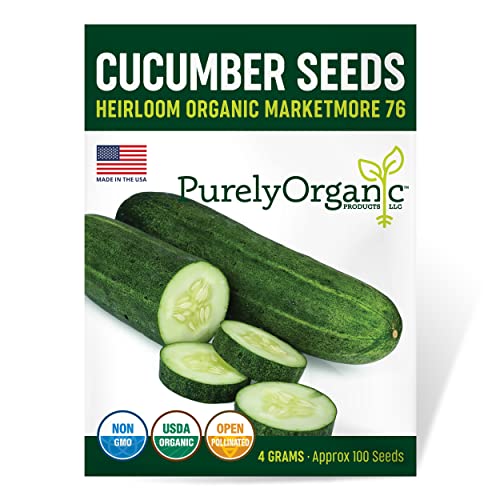
Ferry-Morse Marketmore 76 Cucumber Seeds
Marketmore 76 is a classic slicing cucumber known for disease resistance and heavy yields with little intervention. Warm soil brings fast germination, so results show up quickly. Picking frequently keeps the vine producing, since one oversized fruit can slow the whole plant.
Pros
- Germinates fast once soil warms
- Well documented disease tolerance
- Heavy yields from just a few plants
Cons
- Sulks or rots if sown into cold soil
- Vines need a trellis or a lot of space

Gaea’s Blessing Seeds Sugar Snap Pea Seeds
Sugar snap peas from Gaea’s Blessing ship with a stated germination rate printed on the packet, a rare disclosure in the consumer market. Peas tolerate cool soil, so sowing can start earlier than most other crops. Soaking seed overnight before planting speeds emergence in cold ground, according to grower reports.
Pros
- Stated germination rate printed on the packet
- Can go in the ground earlier than most crops
- Fixes nitrogen, useful in crop rotation
Cons
- Needs support structures in place before sowing
- Yield drops sharply once summer heat arrives

Seed Needs Rainbow Swiss Chard Seed Packet
This packet holds mixed color Swiss chard, one of the most forgiving leafy crops for a home bed. Harvest happens leaf by leaf over months instead of all at once. Chard tolerates both heat and light frost better than lettuce or spinach, and a short row keeps producing into autumn if the crown stays intact.
Pros
- Long harvest window from a single sowing
- More heat tolerant than most leafy greens
- Enough seed per packet to sow generously
Cons
- Single crop rather than a mixed collection
- Seed clusters need thinning after emergence
What matters most
How do I choose vegetable seeds that will actually grow? Check the packed for season date before anything else. Seed viability drops with age, and the rate depends heavily on the crop. Onion and parsnip seed turns unreliable after a single year. Tomato, cucumber and squash seed can stay viable for several years if stored cool and dry. Buying seed packed for the current season is the cheapest insurance in gardening. Most rows that never come up trace back to old seed, not bad luck.
Heirloom vs hybrid seeds: which should you plant? Open pollinated and heirloom varieties breed true, so seed saved from this year’s plants produces the same crop next year. Hybrids are deliberate crosses bred for vigor, uniformity and disease resistance. Their saved seed reverts to something unpredictable. Gardeners planning to save seed should buy open pollinated stock. Anyone battling blight, wilt or mildew in a tough climate usually gets better odds from hybrids. Many gardens end up growing both types side by side.
What soil depth and temperature do vegetable seeds need to germinate? More seed fails from wrong depth or cold soil than from poor quality. Plant at two to three times the seed’s diameter as a general rule, shallow for lettuce and carrot, deeper for beans and peas. Soil temperature matters just as much as depth. Peas germinate in cold ground, while cucumbers, beans and squash rot before they sprout until soil warms properly. Checking soil temperature with a simple thermometer beats guessing by the calendar.
How should I store leftover vegetable seeds for next season? Heat and moisture kill seed fastest, making a paper packet in a warm shed the worst storage option. Move opened packets into an airtight container with a desiccant sachet. Keep the container somewhere cool, dark and consistent. Label it with the year for easy tracking. Before sowing older seed, run a quick germination check: roll ten seeds in a damp paper towel inside a sealed bag for a week, then count how many sprout. Sow more thickly if the rate comes back low.
How they stack up
| # | Model | Type | Best for | Score | Price |
|---|---|---|---|---|---|
| 1 | Sow Right Seeds Vegetable Garden Seed Collection | Multi variety vegetable collection | Best overall | 9.4 | Check price |
| 2 | Survival Garden Seeds Heirloom Vegetable Seed Vault | Heirloom, open pollinated collection | Best for seed saving | 9.2 | Check price |
| 3 | Burpee Big Boy Hybrid Tomato Seeds | Hybrid indeterminate tomato | Best tomato variety | 9.0 | Check price |
| 4 | Botanical Interests Rainbow Blend Carrot Organic Seeds | Certified organic carrot blend | Best organic | 8.8 | Check price |
| 5 | Ferry-Morse Marketmore 76 Cucumber Seeds | Open pollinated slicing cucumber | Best for beginners | 8.6 | Check price |
| 6 | Gaea’s Blessing Seeds Sugar Snap Pea Seeds | Sugar snap pea, edible pod | Best germination rate | 8.3 | Check price |
| 7 | Seed Needs Rainbow Swiss Chard Seed Packet | Swiss chard, mixed stem colors | Best budget | 8.0 | Check price |
Questions worth asking
How long do vegetable seeds stay good?
It depends on the crop. Onion, leek and parsnip seed often turns unreliable after a single year. Lettuce, pepper and carrot typically hold for two to three years. Tomato, cucumber, squash and brassica seed can remain viable for four or five years when stored cool, dry and dark. Storage conditions matter as much as the crop itself.
What does non GMO mean on a vegetable seed packet?
Non GMO means the variety was not produced through genetic engineering. Genetically engineered seed is not sold to home gardeners at all, so the label describes the entire consumer market rather than one specific packet. Non GMO is not the same claim as organic, and it is not the same as heirloom.
Should vegetable seeds be started indoors or sown direct?
Root crops like carrots, parsnips, radishes and beets need direct sowing, since they resent root disturbance. Tomatoes, peppers, eggplants and brassicas benefit from an indoor start that adds weeks to the growing season. Beans, peas, cucumbers and squash handle either method and usually do fine sown direct once soil warms.
How can I test whether old vegetable seed is still viable?
Dampen a paper towel and space ten seeds across it. Roll it up and seal it inside a plastic bag somewhere warm. Check after the number of days listed on the packet for germination. Seven or more sprouts means sow normally. Three or four means sow at roughly double the usual rate. Zero sprouts means replace the packet.
Why do seedlings germinate and then collapse?
That pattern usually points to damping off, a fungal problem triggered by wet, cool, poorly ventilated conditions. Fresh sterile seed starting mix reduces the risk. Avoid overwatering, and give seedlings airflow from a small fan. Crowded trays make the problem spread faster once it starts, so prevention beats treatment.
Is organic vegetable seed better than conventional seed?
Organic certification describes how the parent plants were grown, not the inherent quality of the seed inside. For an organic garden, it keeps the whole supply chain consistent. Germination and yield from a fresh conventional packet match a fresh organic one from a reputable supplier.
How thickly should vegetable seeds be sown?
Follow the packet’s spacing guidance for the final plants, then sow somewhat more thickly and thin afterward. Thinning feels wasteful, but crowded roots produce small, poor crops, especially with carrots, beets and chard. Cutting unwanted seedlings at soil level avoids disturbing the roots of the ones staying put.
What are the easiest vegetables to grow from seed?
Radishes, bush beans, zucchini, lettuce, Swiss chard and cucumbers rank among the most forgiving crops. They germinate quickly and tolerate imperfect conditions. Carrots, parsnips, celery and cauliflower are considerably harder and are worth attempting once easier crops are established.
Hybrid vs heirloom vegetable seeds: which lasts longer in storage?
Storage life depends more on the crop than on hybrid or heirloom status. A hybrid tomato seed and an heirloom tomato seed store about the same length of time under the same conditions. The bigger difference shows up at harvest, since heirloom seed saved from the crop breeds true and hybrid seed does not.
Final word
Sow Right Seeds Vegetable Garden Collection remains the strongest starting point for a new garden, since its packet instructions carry as much value as the seed itself. Gardeners planning to save seed year after year get more long term value from Survival Garden Seeds Heirloom Vault. Burpee Big Boy Hybrid Tomato Seeds stays the dependable choice for the one crop most seasons get judged by.
Sierra Daniels
Sierra's background is in landscape design and nursery retail. She focuses on lawn and garden equipment, outdoor furniture and gear durability, weighing published specs against how materials actually hold up outside.


