Robot or Stick: Which Vacuum Mop Combo Fits Your Floors?
Roborock’s Q Revo leads robot vacuum mop combos, since its dock washes and dries the mop pads without help. Tineco’s FLOOR ONE S5 handles wet spills immediately as a cordless stick. Bissell’s CrossWave Cordless Max covers mixed carpet and hard floors for less.
Roborock’s Q Revo suits hands-off cleaning best, since its dock washes and dries the mop pads on its own. Tineco’s FLOOR ONE S5 answers wet spills that need dealing with now, and Bissell’s CrossWave Cordless Max covers mixed carpet and hard floors for less. Robot and stick solve different problems, not competing versions of one.
Two very different product types share this category, which trips people up. Robots handle scheduled maintenance cleaning but struggle with dried spills, while wet dry stick vacuums attack messes on demand and need a hand pushing them. Both need cleaning themselves, a detail most listings skip. We compared published suction ratings, mop mechanisms, tank capacities and the maintenance burden owners report.
What we recommend

Roborock Q Revo
A self-washing dock empties the dustbin, rinses the spinning mop pads and dries them with warm air, removing most of the upkeep that puts people off robot mops. Mops lift automatically once the robot detects carpet, so damp pads never drag across a rug. Expect to give the dock a permanent spot with real clearance.
Pros
- Dock washes and dries mop pads automatically
- Mop lifting protects carpets and rugs
- LiDAR mapping handles multiple floor plans accurately
Cons
- Dock takes up considerable floor space
- Spinning pads still need occasional deep cleaning
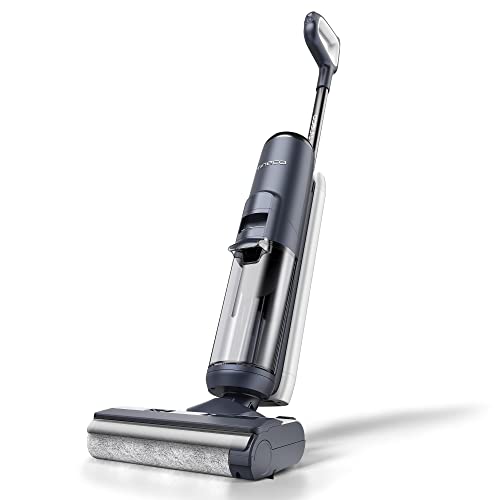
Tineco FLOOR ONE S5
Vacuuming and washing happen in one pass with this cordless stick, and separate clean and dirty water tanks keep grime from spreading. An iLoop sensor ramps up suction automatically once it detects a heavier mess. Its dock rinses the roller through a self-cleaning cycle, arguably the most useful feature here.
Pros
- Deals with wet spills right away
- Dirt sensor increases suction automatically
- Self cleaning cycle rinses the roller in the dock
Cons
- Built for hard floors only, not carpet
- Dirty water tank needs emptying after every use

BISSELL CrossWave Cordless Max
Few wet dry machines add a mode for area rugs alongside sealed hard floors, which suits homes mixing the two in every room. A two-tank system keeps clean and dirty water apart during use. Owners report the brush roll needs rinsing after each session, and skipping that step is what causes odor.
Pros
- Handles area rugs as well as hard floors
- Two-tank system keeps water separate
- Established platform with easy-to-find spare parts
Cons
- Brush roll needs rinsing after every use
- Runtime runs short for larger homes

iRobot Roomba Combo j9+
Obstacle avoidance leads the group here, steering reliably around cables, socks and pet accidents that strand other robots. Its mop pad retracts fully onto the robot’s body for carpet, rather than just lifting slightly. A tall dock and a subscription-pushing app are the tradeoffs some owners mention.
Pros
- Avoids cords and mess better than rivals
- Mop pad retracts fully for carpet runs
- Dock refills the onboard water tank automatically
Cons
- Tall dock is hard to tuck out of sight
- App promotes paid features heavily
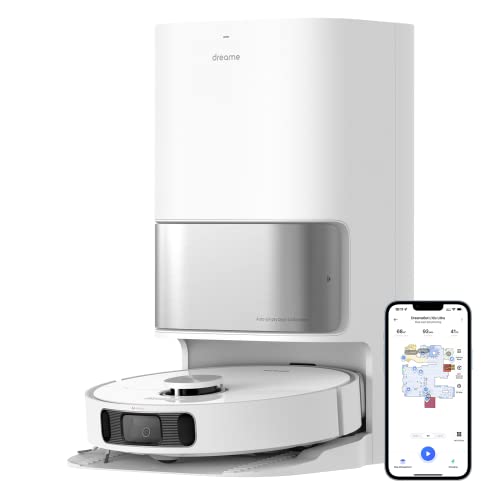
Dreame L10s Ultra
An extending mop arm reaches along walls, closing the edge gap almost every round robot leaves behind. Emptying, washing and hot air drying all happen in the dock, much like the Roborock. Setup and app configuration take longer than mainstream brands, and the ecosystem feels less polished.
Pros
- Extending mop reaches wall edges
- Full-featured dock includes hot air drying
- Suction figures rank strong on the spec sheet
Cons
- App is less refined than rivals
- Setup takes longer than mainstream brands

Shark HydroVac Cordless Pro XL
Lighter and easier to maneuver than most wet dry sticks, which matters when cleaning stairs, landings or moving between rooms often. Vacuuming, mopping and roller self-cleaning all happen through the dock. Suction trails the Tineco, so heavier ground-in dirt needs more passes.
Pros
- Noticeably light and easy to steer
- Self cleaning cycle runs in the dock
- Controls stay simple with no menus to dig through
Cons
- Less suction than premium wet dry sticks
- Smaller tanks mean more frequent refills

eufy Clean X9 Pro
Two spinning pads press down with active force rather than relying on the robot’s own weight, which owners say makes a real difference on dried kitchen floor marks. Mops lift clear of carpet, and the dock washes them afterward. Carpet vacuuming performance trails the class leaders here.
Pros
- Active mop pressure tackles dried-on marks
- Mops lift clear of carpet automatically
- Dock washes and dries the pads
Cons
- Carpet vacuuming trails the leaders
- App offers fewer features than Roborock’s
How to choose
Robot or stick: which do you actually need first? A robot vacuum mop keeps floors at a steady baseline with no daily effort, running its route while you are out. It will not touch a glass of juice that just spilled. A wet dry stick vacuum handles exactly that, sucking up liquid and solids together, but only when pushed by hand. Households with young kids or pets often end up owning one of each, since the two solve genuinely different problems.
How does the mop handle carpet? Dragging a wet pad across a rug is the classic robot mop failure. Good designs either lift the pads a couple of centimeters once carpet is detected, as the Roborock and eufy do, or retract the pad fully onto the body like the Roomba Combo j9+. Without any lifting mechanism at all, expect to move rugs out of the way before every run.
How much work does the dock actually save? A basic dock just charges the robot. A self-emptying dock handles dust for weeks at a stretch. A full dock goes further, washing the mop pads in clean water and drying them with warm air, which is what stops the pads from smelling. More dock functions mean more size and cost, so measure available space before chasing the longest feature list.
Why does every wet machine need cleaning itself? Listings tend to underplay this part. Wet dry sticks need their dirty water tank emptied and roller rinsed after each use, or they develop a smell within days. Robot mops need their pads deep cleaned periodically even with a washing dock, and the dock’s own water tanks need refreshing too. Self-cleaning cycles cut this workload considerably, but they do not remove it.
Compared at a glance
| # | Model | Type | Best for | Score | Price |
|---|---|---|---|---|---|
| 1 | Roborock Q Revo | Robot vacuum and mop | Best overall | 9.4 | Check price |
| 2 | Tineco FLOOR ONE S5 | Cordless wet dry stick | Best for wet spills | 9.2 | Check price |
| 3 | BISSELL CrossWave Cordless Max | Cordless wet dry stick | Best value | 9.0 | Check price |
| 4 | iRobot Roomba Combo j9+ | Robot vacuum and mop | Best obstacle avoidance | 8.7 | Check price |
| 5 | Dreame L10s Ultra | Robot vacuum and mop | Best for edges | 8.5 | Check price |
| 6 | Shark HydroVac Cordless Pro XL | Cordless wet dry stick | Best lightweight stick | 8.2 | Check price |
| 7 | eufy Clean X9 Pro | Robot vacuum and mop | Best mop pressure | 8.0 | Check price |
Common questions
Can a vacuum mop combo replace a regular vacuum?
A good robot handles routine maintenance on hard floors and light carpet, which many households find sufficient. Deep carpet, stairs and upholstery still need a proper upright or stick vacuum. Wet dry sticks such as the Tineco target hard floors and should not serve as your only vacuum if carpet covers much of the home.
Do robot mops actually clean or just spread water around?
Modern spinning pad designs with active downward pressure genuinely lift light everyday soiling and fresh marks. Dried-on food usually needs repeat passes, and scrubbing is not part of the job. Realistically, a robot mop keeps floors from getting dirty rather than rescuing floors that already are.
Are self-emptying docks worth the extra cost?
For most people, yes, since emptying a small robot bin after every run is the chore that stops people from using the robot at all. A self-emptying dock stretches that interval to weeks. Tradeoffs include size, noise during the emptying cycle and the ongoing cost of replacement dust bags on some models.
Can I use cleaning solution in these machines?
Only the solution the manufacturer specifies, and only in the tank built for it. Generic floor cleaners can foam excessively and damage pumps, damage that warranty generally will not cover. Plain water works fine in many machines for routine cleaning.
How often do mop pads need replacing?
Owners commonly report a few months of regular use per set, depending on how gritty the floors are and how well the dock washes them. Pads that stay discolored after a wash cycle, or feel stiff, have lost effectiveness. A spare set lets you swap one in while another dries.
What flooring should stay away from these machines?
Unsealed hardwood, unsealed stone and laminate with damaged seams should not get wet, since water penetration causes swelling and lifting. Check with the flooring manufacturer when unsure. Robot mops with adjustable water levels can run very low for delicate sealed floors.
Why does my wet dry vacuum smell?
Almost always because the dirty water tank or roller sat uncleaned after use. Dirty water plus a damp brush at room temperature is exactly the condition bacteria need. Run the self-cleaning cycle, empty and rinse the tank, then let the roller dry fully instead of storing it damp in the dock.
Is LiDAR navigation necessary?
For anything larger than a small flat, yes. LiDAR mapping produces accurate floor plans, allows no-go zones and room-specific settings, and keeps the robot cleaning in orderly rows instead of bouncing randomly. Camera-based systems add better obstacle recognition, which is why some models combine both.
The bottom line
The Roborock Q Revo remains the best overall vacuum mop combo, since its washing and drying dock removes nearly all the maintenance that makes robot mops annoying. Pick the Tineco FLOOR ONE S5 instead when spills need dealing with immediately, and the Bissell CrossWave Cordless Max when one machine has to cover both rugs and hard floors.
Dana Whitfield
Dana spent eight years buying and merchandising for a regional kitchenware retailer before moving into editorial work. She has handled thousands of SKUs across cookware, small appliances and kitchen organization, and focuses on the practical differences that matter once a product is actually in daily use.