Replacement Tips That Extend a Trekking Pole’s Life
Black Diamond Tech Tips are the best overall replacement, using carbide hardness that outlasts rubber on rocky trails while fitting most standard pole threads. Leki’s Flex Tip suits poles needing shock absorption. TrailBuddy covers the budget tier.
Black Diamond Tech Tips lead this list for hikers on rocky or mixed terrain who need a carbide tip that bites into rock and hardpack without wearing down after a single season. Anyone using poles mainly on pavement or groomed trails benefits more from Leki’s rubber Flex Tip, which cushions impact instead of maximizing grip. Hikers just replacing a worn stock tip on a budget can start with TrailBuddy below.
Trekking pole tips wear out far faster than the pole shaft itself, since every step grinds the tip against rock, dirt, or pavement. We compared tip material hardness, thread compatibility across major pole brands, and how long each tip lasted under reported trail mileage, then weighed owner feedback on fit consistency.
What we recommend

Black Diamond Tech Tips
A carbide tip bites into rock and hardpack trail surfaces far better than rubber, reducing slips on technical terrain. The universal threading fits most standard pole brands rather than only Black Diamond’s own poles. Carbide wears down slowly but eventually needs replacement after extended rocky trail use.
Pros
- Carbide bites rock and hardpack effectively
- Universal threading fits most pole brands
- Long wear life on rough terrain
Cons
- Noisier on pavement than rubber tips
- Carbide tips cost more than basic rubber replacements

Leki Flex Tip
Rubber construction absorbs impact shock better than rigid carbide, matching Leki’s own shock-absorbing pole systems designed around that cushioning. The tip fits Leki’s specific threading most reliably, with mixed results on other brands. Pavement and groomed trail hikers benefit from the quieter, softer contact these tips provide.
Pros
- Rubber cushions impact shock effectively
- Quiet on pavement and hard surfaces
- Matches Leki’s shock-absorbing pole design
Cons
- Limited fit outside Leki-brand poles
- Wears faster on rocky terrain than carbide

Komperdell Universal Tip Protectors
A broader universal threading design fits a wider range of pole brands than most competitors, useful for hikers who own poles from multiple manufacturers. Rubber construction protects both the tip and nearby trail surfaces from metal-on-rock contact. The tradeoff is less grip than a dedicated carbide option on steep terrain.
Pros
- Fits the widest range of pole brands
- Protects trail surfaces from metal contact
- Reasonably priced for the fit versatility
Cons
- Less grip on steep technical terrain than carbide
- Shorter wear life than Black Diamond’s carbide tips

Cascade Mountain Tech Snow Baskets and Tips Combo
This set pairs replacement tips with snow baskets, the wider discs that prevent poles from sinking too deep into soft snow. Winter hikers and snowshoers get both components in one purchase rather than buying separately. The tips themselves use a standard rubber or carbide option depending on the specific kit purchased.
Pros
- Snow baskets prevent poles sinking in soft snow
- Combo kit saves buying components separately
- Standard threading fits most poles
Cons
- Snow baskets add bulk not needed in summer conditions
- Less specialized grip than dedicated summer carbide tips

TrailBuddy Replacement Rubber Tips
A straightforward rubber tip covers basic trail protection at the lowest cost in this group, suiting hikers who just need to replace a worn stock tip occasionally. Standard threading fits most common pole brands without specialized fitting. Wear life runs shorter than premium carbide options under heavy rocky trail use.
Pros
- Lowest cost in this group
- Standard threading fits most common poles
- Simple drop-in replacement
Cons
- Shorter wear life than carbide options
- Less grip on technical rocky terrain

Montem Ultra Strong Trekking Pole Tip Protectors
A wider base distributes impact force across more surface area, reducing the chance of a protector cracking on sharp rock edges. Reinforced rubber compound resists tearing better than thinner basic protectors. These function as protective covers over a pole’s existing tip rather than full carbide replacements.
Pros
- Wide base resists cracking on sharp rock
- Reinforced rubber resists tearing
- Slip-on design fits a range of tip diameters
Cons
- Protects rather than replaces the underlying tip
- Can loosen and need reseating on long hikes
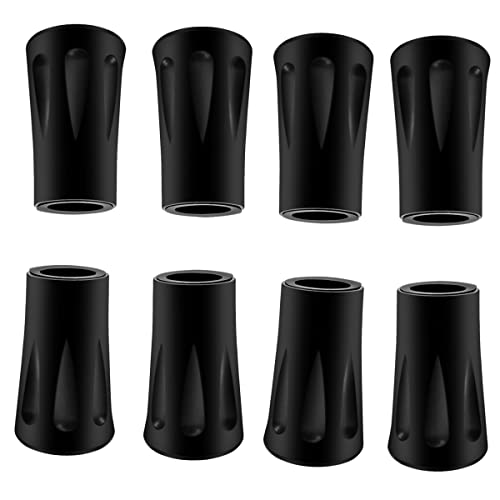
REI Co-op Trekking Pole Tip Protectors
REI’s own-brand protectors balance fit reliability and cost for hikers who do not need specialized carbide or winter-specific hardware. Rubber construction quiets pole contact on maintained trails and pavement sections. General trail use, rather than technical terrain, suits this option best.
Pros
- Reliable fit across common pole brands
- Quiets pole contact on pavement sections
- Reasonable value for general use
Cons
- Not suited for technical rocky terrain
- Shorter wear life than carbide alternatives
How to choose
Why tips wear out before the pole itself Every step grinds a trekking pole’s tip against rock, dirt, or pavement, while the aluminum or carbon shaft above it stays largely untouched by that friction. A worn tip loses its grip edge long before the shaft shows any structural wear, which is why tips are sold as a separate replaceable part. Ignoring a worn tip increases slip risk on steep or wet terrain even if the rest of the pole still feels solid. Checking tip wear periodically matters more than most hikers realize until a slip happens on a descent.
Carbide versus rubber for different terrain Carbide tips bite into rock, hardpack, and ice far more effectively than rubber, making them the better choice for technical mountain terrain. Rubber tips cushion impact and stay quieter on pavement or groomed trails, where carbide’s hard contact feels harsh and unnecessary. Mixed-terrain hikers often carry both, swapping tips depending on the day’s trail conditions. Choosing based on the terrain actually hiked most often, rather than worst-case technical scenarios, avoids paying for grip that rarely gets used.
Matching thread fit to pole brand Some tips use brand-specific threading that only fits that manufacturer’s poles reliably, like Leki’s Flex Tip system. Universal threading options, such as Komperdell’s protectors, trade some brand-specific optimization for broader compatibility across multiple pole brands. Hikers who own poles from different manufacturers benefit most from universal-fit options rather than brand-locked replacements. Checking thread compatibility before buying avoids the frustration of a tip that will not seat properly.
Snow baskets and winter-specific accessories Snow baskets, the wide discs that sit above the tip, prevent a pole from sinking too deep into soft snow during winter hikes or snowshoeing. These attach separately from the tip itself, so a summer hiker generally does not need them. Combo kits bundling tips and baskets save a separate purchase for hikers who do both summer and winter trips. Removing snow baskets for summer hiking keeps the pole lighter and avoids unnecessary bulk.
How they stack up
| # | Model | Material | Best for | Score | Price |
|---|---|---|---|---|---|
| 1 | Black Diamond Tech Tips | Tungsten carbide | Best overall | 9.2 | Check price |
| 2 | Leki Flex Tip | Rubber compound | Best for shock-absorbing poles | 9.0 | Check price |
| 3 | Komperdell Universal Tip Protectors | Rubber compound | Best universal fit | 8.7 | Check price |
| 4 | Cascade Mountain Tech Snow Baskets and Tips Combo | Carbide tip with rubber snow basket | Best for snow and winter use | 8.5 | Check price |
| 5 | TrailBuddy Replacement Rubber Tips | Rubber compound | Best budget | 8.1 | Check price |
| 6 | Montem Ultra Strong Trekking Pole Tip Protectors | Reinforced rubber | Best for rocky terrain protection | 8.0 | Check price |
| 7 | REI Co-op Trekking Pole Tip Protectors | Rubber compound | Best for general trail use and value | 7.9 | Check price |
Good to know
How do I know when to replace trekking pole tips?
Visible flattening, cracking, or a noticeably smoother surface than when new signals it is time to replace the tip.
Are carbide trekking pole tips better than rubber?
Carbide grips rock and hardpack better and lasts longer on rough terrain, while rubber cushions impact on pavement.
Do trekking pole tips fit all pole brands?
Universal threading fits most major brands, though some manufacturers use brand-specific threading with limited cross-compatibility.
Can I use snow baskets without replacing the tip?
Yes, most snow baskets attach separately above the tip and can be added or removed independently.
How often should trekking pole tips be replaced?
Frequency depends on terrain and mileage, though regular rocky-trail hikers often replace tips once or twice a season.
Do rubber tip protectors damage trail surfaces less than metal tips?
Yes, rubber reduces the metal-on-rock contact that can scratch rock surfaces and create noise on hard trails.
Can worn trekking pole tips cause slipping?
Yes, a flattened or smooth worn tip loses grip significantly compared to a fresh tip with intact edges or carbide points.
Are trekking pole tip protectors the same as replacement tips?
Protectors slip over an existing tip for added grip or protection, while replacement tips remove and replace the worn part entirely.
Do I need different tips for summer and winter hiking?
Many hikers use the same tip year-round, adding a snow basket in winter rather than switching the tip itself.
Can trekking pole tips be replaced at home without tools?
Most twist on and off by hand, though a worn or stuck tip occasionally needs pliers for extra grip during removal.
Our pick
Black Diamond Tech Tips suit most hikers who spend time on rocky or mixed technical terrain and want grip that lasts. Hikers using shock-absorbing Leki poles mainly on pavement or groomed trails should stick with the Leki Flex Tip instead for the cushioned fit. Anyone just replacing a worn stock tip without specific terrain demands can start with TrailBuddy’s budget option.
Sierra Daniels
Sierra's background is in landscape design and nursery retail. She focuses on lawn and garden equipment, outdoor furniture and gear durability, weighing published specs against how materials actually hold up outside.

