Travel Yoga Mats Compared: Grip, Weight, and Pack Size
Manduka’s eKO Superlite rolls smallest for carry-on travel and still grips through natural rubber. Jade’s Travel Mat grips best on studio floors, especially once it picks up a little sweat. Gaiam’s Foldable Yoga Mat suits suitcase packers who want a mat that folds flat instead of rolling.
Manduka’s eKO Superlite rolls down to about the size of a yoga block and weighs near one pound. Natural tree rubber grips floors without a towel layer, something thinner PVC mats often can’t manage. Cushioning drops off fast on hard floors, a real tradeoff for travelers who already own a thicker mat at home.
Travel mats trade cushioning for pack size, so weight and fold pattern matter as much as grip. We compared material, rolled or folded dimensions, and reported grip performance across current Amazon listings to see which tradeoffs hold up outside a hotel room.
How to pick the right one
What to look for in a travel yoga mat Packed weight and size matter most for travel, but grip material decides whether the mat actually works during a sweaty class. Natural rubber grips better than PVC once it picks up moisture. Roll-up designs suit a backpack side pocket, while fold-flat designs suit a suitcase packed with clothing.
Roll-up mats vs fold-flat mats Roll-up mats strap to the outside of a backpack or slide into a cylindrical packing cube. Fold-flat mats tuck between clothing layers in a suitcase but develop crease lines that need a few sessions to smooth out. Frequent flyers carrying only a backpack tend to prefer the smaller footprint of a fold-flat design.
Best travel mat for hot yoga vs everyday stretching Hot yoga travelers do better with a towel-topped combo mat or an open-cell rubber mat that grips harder once damp. General stretching or a gentle flow works fine on a thinner PVC mat without special sweat-grip features. Matching mat to practice style is what actually prevents slipping mid-pose, not thickness alone.
Choosing thickness: joint comfort vs pack size Mats under 2mm pack down smallest but transmit more floor pressure to knees and wrists during long holds. Mats in the 4mm to 5mm range add real cushioning at the cost of a bigger rolled size and more weight. Anyone with joint sensitivity should weigh comfort against how much space a backpack or suitcase actually has left.
The best picks, ranked
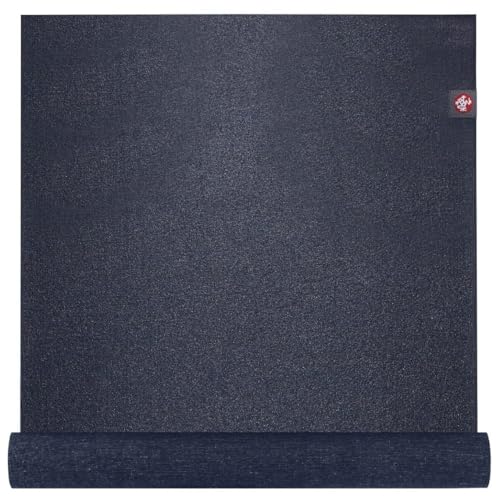
Manduka eKO Superlite Travel Yoga Mat
Rolled up, this mat is about the size of a yoga block and weighs near one pound. Tree rubber grips floors even without a towel, unlike most ultra-thin PVC travel mats. Cushioning is minimal, so it suits travelers who already own a thicker mat for home practice.
Pros
- Rolls down to daypack-pocket size
- Tree rubber grips without a towel layer
- Weighs about 1.1 pounds, lightest on this list
Cons
- Minimal cushioning on hard floors
- Rubber scent lingers for a few days after unboxing

Jade Travel Yoga Mat
Open-cell rubber grips harder as it picks up sweat, useful for a warm studio session on the road. At 3.2mm it cushions more than ultra-thin competitors while still rolling smaller than a full-size mat. Jade plants a tree for every mat sold, a detail some buyers weigh in the purchase.
Pros
- Grip improves with sweat or light moisture
- More cushioning than ultra-thin travel mats
- Biodegradable rubber breaks down faster than PVC
Cons
- Heavier than 1.5mm ultralight travel mats
- Direct sun degrades natural rubber faster than PVC

Gaiam Foldable Yoga Mat
This mat folds into a flat square instead of rolling, so it slides into a suitcase next to folded clothing. PVC handles yoga poses and general floor stretching equally well. Fold lines leave slight ridges that take a few uses to relax flat.
Pros
- Folds flat to save suitcase space
- Works for stretching as well as yoga
- Weighs about 1.3 pounds for easy packing
Cons
- Fold creases take time to flatten out
- PVC grips less than natural rubber

Liforme Travel Mat
Printed alignment lines help travelers hold proper pose position without a studio mirror. An eco-polyurethane top layer stays tacky through longer sessions. It runs slightly thicker than ultralight mats, trading pack size for comfort.
Pros
- Alignment markings support solo practice
- Tacky surface stays grippy through sweat
- Edges resist tearing better than basic PVC mats
Cons
- Costs more than basic travel mats
- Rolls larger in diameter than the Manduka Superlite

Yoga Design Lab Combo Travel Mat
A microfiber towel top bonds to a thin rubber base, so sweat improves grip instead of causing slip. Hot yoga travelers skip packing a separate towel with this combo design. The towel layer makes the rolled size bulkier than single-layer mats.
Pros
- Grip improves as the surface gets damp
- Removes the need to pack a separate towel
- Microfiber top is machine washable
Cons
- Bulkier roll than single-layer travel mats
- Less cushioned than standard-thickness mats

Gaiam Yoga Mat Bag with Compact Mat
A drawstring carry bag sized to the mat comes bundled in, useful for travelers without an existing mat sling. PVC construction keeps the price below natural rubber alternatives. Grip suits basic stretching but slips more during a sweaty vinyasa flow.
Pros
- Carry bag included with no extra purchase
- Costs less than natural rubber travel mats
- Standard 3mm thickness suits general stretching
Cons
- Less grip than rubber mats during sweat
- Rolls bulkier than ultra-thin competitors

Manduka PROlite Travel-Friendly Mat
At 4.7mm, this is the thickest mat on this list, aimed at travelers with sensitive knees or wrists. Closed-cell foam resists absorbing moisture or odor across repeated trips. Extra cushioning means a larger rolled diameter than true ultralight mats.
Pros
- Extra cushioning suits sensitive joints
- Closed-cell foam resists odor buildup over time
- Durable enough for frequent travel use
Cons
- Heaviest mat on this list at about 3.5 pounds
- Rolls larger than ultra-thin travel mats
The lineup, side by side
| # | Model | Thickness | Best for | Score | Price |
|---|---|---|---|---|---|
| 1 | Manduka eKO Superlite Travel Yoga Mat | 1.5mm | Best overall | 9.3 | Check price |
| 2 | Jade Travel Yoga Mat | 3.2mm | Best grip | 9.0 | Check price |
| 3 | Gaiam Foldable Yoga Mat | 2mm | Best for folding flat | 8.8 | Check price |
| 4 | Liforme Travel Mat | 2mm | Best for alignment cues | 8.6 | Check price |
| 5 | Yoga Design Lab Combo Travel Mat | 1.5mm | Best for hot yoga | 8.4 | Check price |
| 6 | Gaiam Yoga Mat Bag with Compact Mat | 3mm | Best value | 8.2 | Check price |
| 7 | Manduka PROlite Travel-Friendly Mat | 4.7mm | Best for joint support while traveling | 8.0 | Check price |
Good to know
How thin can a yoga mat be and still work for travel?
Mats as thin as 1.5mm, like the Manduka eKO Superlite, still grip well for most poses, though they cushion knees and wrists less than a standard 5mm mat.
Is natural rubber or PVC better for a travel yoga mat?
Natural rubber grips harder, especially with sweat, and breaks down faster than PVC. PVC mats usually cost less and weigh about the same.
Can a travel yoga mat replace a full-size mat at home?
Yes for most practices. Travelers doing frequent hot yoga or long joint-sensitive holds may still prefer a thicker home mat and save the travel mat for trips.
Do travel yoga mats fit in a carry-on suitcase?
Fold-flat mats like the Gaiam Foldable Yoga Mat pack alongside clothing in a standard carry-on. Roll-up mats often attach externally to a backpack or go in checked luggage.
How do you clean a travel yoga mat after a trip?
A damp cloth and mild soap clean rubber and PVC mats. Microfiber-topped combo mats, like the Yoga Design Lab Combo, can go in a washing machine on a gentle cycle.
Which travel yoga mat is best for hot yoga?
The Yoga Design Lab Combo Travel Mat grips better as it absorbs sweat, thanks to its bonded microfiber towel top.
Are foldable yoga mats less durable than rolled mats?
Fold lines can weaken a mat over years of heavy use, but most fold-flat mats hold up fine for regular travel before any real durability gap appears.
Does a thinner yoga mat mean less grip?
Not necessarily. Grip depends more on surface material and texture than raw thickness, so a thin natural rubber mat can out-grip a thicker PVC one.
What is the best travel mat for suitcase packing versus a backpack?
Suitcase packers do better with a fold-flat mat like the Gaiam Foldable. Backpack travelers usually prefer a roll-up mat that straps to the outside or slides into a side pocket.
Our pick
The Manduka eKO Superlite is the strongest overall pick for travel, since it packs down smallest while still gripping through natural rubber instead of slick PVC. Anyone who prioritizes traction above pack size, especially in humid climates, should choose the Jade Travel Mat instead. Suitcase packers who skip backpacks entirely should pass on roll-up designs and pick the Gaiam Foldable Yoga Mat.
Sierra Daniels
Sierra's background is in landscape design and nursery retail. She focuses on lawn and garden equipment, outdoor furniture and gear durability, weighing published specs against how materials actually hold up outside.


