How to Keep Hot Tub Water Balanced With the Right Chemicals
Leisure Time Spa 56 Chlorinating Granules sanitize fastest for daily use, based on published specifications. SpaGuard Enhanced Shock Oxidizer clears cloudy water without adding chlorine. Frog @ease In-Line Cartridge Refills cut chemical handling for mineral based systems. Each targets a different part of a spa routine.
Leisure Time Spa 56 Chlorinating Granules, SpaGuard Enhanced Shock Oxidizer and Frog @ease In-Line Cartridge Refills top this list. Each solves a different part of the routine, from daily sanitizing to weekly shocking to reduced chemical handling. Together they cover most water problems hot tub owners run into.
Spa water chemistry gets confusing fast, since chlorine, bromine and mineral systems each need different products and dosing. Mixing incompatible chemicals can cloud water or irritate skin. We compared active ingredients, dissolve rates and owner feedback across chlorine, bromine and chlorine-free systems to build this list.
The top picks, ranked

Leisure Time Spa 56 Chlorinating Granules
Dichlor granules dissolve within minutes of hitting spa water. Owners report it clears bather waste quickly without leaving a heavy chlorine smell. Dosed higher, the same formula doubles as a light shock.
Pros
- Dissolves within minutes
- Doubles as light shock at higher doses
- Works in temperatures spas commonly run at
Cons
- Needs consistent testing to avoid overdosing
- Chlorine smell noticeable right after dosing
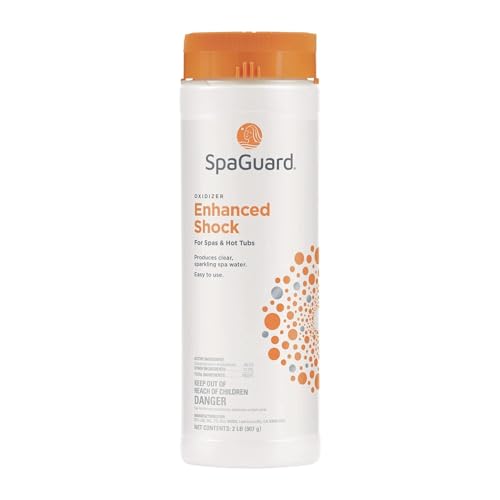
SpaGuard Enhanced Shock Oxidizer
Potassium peroxymonosulfate oxidizes lotions and body oils without adding chlorine to the water. It works alongside either chlorine or bromine sanitizing systems. According to the listing, water clarity returns within about twenty minutes of circulation.
Pros
- Works with chlorine or bromine setups
- No added chlorine smell
- Fast turnaround on cloudy water
Cons
- Does not sanitize on its own
- Needs a separate primary sanitizer running
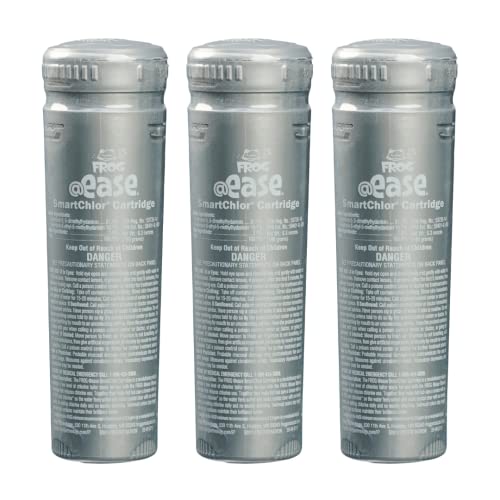
Frog @ease In-Line Cartridge Refill
Silver and copper minerals combine with a reduced chlorine dose inside a drop-in cartridge. It installs into a compatible in-line feeder and typically lasts about four months. Owners report noticeably lower chlorine odor than standard granular dosing.
Pros
- Reduces chlorine handling and smell
- Long cartridge life between changes
- Simple drop-in installation
Cons
- Requires a compatible @ease feeder
- Still needs a low chlorine residual maintained

Leisure Time Spa Bromine Tablets (1 inch)
Tablets dissolve slowly through a floating dispenser or in-line feeder, and bromine holds up better than chlorine at the higher temperatures spas run. Many bromine based routines use these tablets as the sole sanitizer, with no second product needed.
Pros
- Holds sanitizing power at hot tub temperatures
- Slow dissolve reduces dosing frequency
- Milder odor than chlorine for some users
Cons
- Slower acting than granular chlorine
- Requires a dispenser or feeder to use
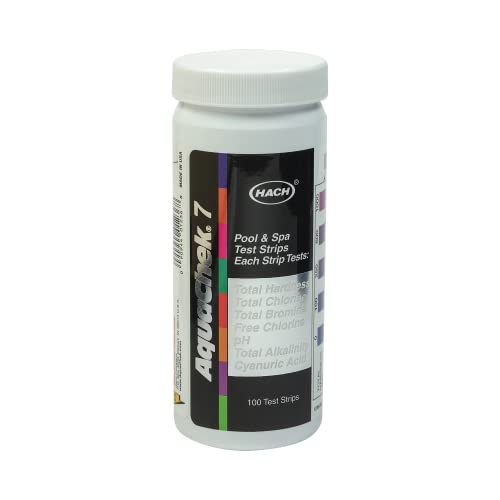
AquaChek Spa 7-Way Test Strips
Each strip checks total bromine, total chlorine, pH, total alkalinity and total hardness in about fifteen seconds. A bottle commonly holds 50 strips for routine testing. Color-match results show when to add sanitizer or balancer before soaking.
Pros
- Fast color-match results
- Covers both chlorine and bromine readings
- Easy to read without extra equipment
Cons
- Less precise than liquid reagent kits
- Strips degrade if bottle is left open

Natural Chemistry Spa Perfect
A biodegradable enzyme blend breaks down lotions, oils and other organic residue between sanitizer doses. Weekly application helps prevent the scum line that forms at the waterline. It works alongside chlorine or bromine rather than replacing either.
Pros
- Cuts down on filter cleaning frequency
- Biodegradable enzyme formula
- Works with existing sanitizer routine
Cons
- Does not sanitize water on its own
- Needs consistent weekly dosing to notice results

HTH Spa Chlorinating Concentrate
A granular dichlor concentrate dissolves quickly for routine sanitizing. Smaller containers than most pool-focused chlorine products match typical spa water volumes better. Owners use it as a straightforward daily sanitizer with no added fragrance or clarifier.
Pros
- Lower cost per container than premium brands
- Dissolves quickly in spa water
- No added fragrance to irritate sensitive skin
Cons
- Smaller container needs more frequent reordering
- Fewer reviews than longer-established spa brands
The lineup, side by side
| # | Model | Active ingredient | Best for | Score | Price |
|---|---|---|---|---|---|
| 1 | Leisure Time Spa 56 Chlorinating Granules | Sodium dichlor | Best overall | 9.4 | Check price |
| 2 | SpaGuard Enhanced Shock Oxidizer | Potassium peroxymonosulfate | Best for shock treatment | 9.1 | Check price |
| 3 | Frog @ease In-Line Cartridge Refill | Mineral cartridge plus low-dose chlorine | Best for chlorine-free mineral systems | 8.8 | Check price |
| 4 | Leisure Time Spa Bromine Tablets (1 inch) | Bromine (BCDMH) | Best for bromine sanitizing | 8.6 | Check price |
| 5 | AquaChek Spa 7-Way Test Strips | 7, including bromine, chlorine, pH | Best for water testing | 8.4 | Check price |
| 6 | Natural Chemistry Spa Perfect | Enzyme blend | Best value | 8.2 | Check price |
| 7 | HTH Spa Chlorinating Concentrate | Sodium dichlor | Best budget | 8.0 | Check price |
What to look for
How Spa Chemicals Work Together A working spa routine needs three chemical categories. A sanitizer such as chlorine or bromine kills bacteria continuously. An oxidizer or shock burns off organic waste the sanitizer alone misses. pH and alkalinity balancers keep water from turning corrosive or scaling the tub’s plumbing. Skipping any one category makes the others fail faster.
Chlorine vs Bromine vs Mineral Systems: Which Fits Your Tub Chlorine granules like Leisure Time Spa 56 dissolve quickly and cost less per treatment. Bromine tablets last longer between doses and tolerate higher water temperatures better. Mineral systems such as Frog @ease reduce added chlorine by combining silver and copper ions with a lower dose. The right choice often comes down to smell sensitivity and how often the tub gets used.
What Causes Cloudy Water and How Shock Fixes It Cloudy water usually means organic buildup has outpaced the sanitizer. Non-chlorine shock, like the potassium peroxymonosulfate in SpaGuard’s formula, oxidizes contaminants without adding more chlorine smell. Chlorine based shock works faster on heavy bather loads but raises chlorine residual temporarily. Most manufacturers recommend shocking weekly, or after several people use the tub in one session.
Testing Frequency for Daily vs Occasional Use Spas used daily need testing two to three times a week to catch pH or sanitizer swings early. Occasional users can often test weekly if the tub stays covered between soaks. Strips like AquaChek Spa 7-Way check bromine, chlorine, pH, alkalinity and hardness in about fifteen seconds. Enzyme clarifiers, such as Natural Chemistry Spa Perfect, help households that go several days between soaks by breaking down oils before they cloud the water.
Questions worth asking
What chemicals do you need to start a new hot tub?
A new hot tub needs a sanitizer such as chlorine granules or bromine tablets, a shock oxidizer, pH increaser or decreaser and an alkalinity adjuster. Test strips confirm dosing before soaking. Most owners also keep a scale or stain preventer on hand for hard water.
How often should a hot tub be shocked?
Weekly shocking works for most households, based on manufacturer guidance for products like SpaGuard Enhanced Shock Oxidizer. Heavier use, such as parties or guests, calls for shocking after each session. Cloudy or dull water signals shock is overdue regardless of schedule.
Is bromine or chlorine better for a spa?
Bromine tablets tolerate higher spa temperatures and last longer per dose, which is common in heated tubs. Chlorine granules dissolve faster and typically cost less per treatment. Smell sensitivity often decides the choice, since some users find bromine’s odor milder.
Can pool chemicals be used in a spa?
Standard pool chemicals are usually too diluted or slow-dissolving for a spa’s smaller water volume. Granular spa-specific chlorine, like HTH Spa Chlorinating Concentrate, is formulated to dissolve fully at spa temperatures. Pool-strength products can also throw off dosing ratios meant for hundreds of gallons.
How do you lower pH in a hot tub?
A pH decreaser, usually sodium bisulfate, brings a high reading down after testing shows above 7.8. Adding it in small doses while the jets run helps it mix evenly. Retesting after fifteen to twenty minutes confirms whether a second dose is needed.
Does the Frog @ease system reduce chemical odor?
Frog @ease pairs a mineral cartridge with a reduced chlorine dose, which lowers the sharp smell some users associate with standard chlorine sanitizing. A low chlorine residual is still needed for sanitizing, so odor drops rather than disappears. Cartridges typically get replaced every few months depending on usage.
How accurate are spa test strips compared to liquid kits?
Test strips like AquaChek Spa 7-Way give a quick color-match reading for bromine, chlorine, pH, alkalinity and hardness. Liquid reagent kits offer finer gradations but take longer and need careful measuring. Many owners use strips for routine checks and a liquid kit to double-check unusual readings.
Is an enzyme-based spa clarifier worth adding to a routine?
Enzyme clarifiers such as Natural Chemistry Spa Perfect break down lotions, oils and other organic residue that sanitizer alone misses. They can reduce how often filters need cleaning and help prevent a scum line at the waterline. They work alongside a sanitizer rather than replacing one.
Which spa chemical should I add first after filling a new tub?
Start with a sanitizer, since untreated water grows bacteria within hours of filling. Test and adjust pH and alkalinity next, since sanitizer works poorly in unbalanced water. Add shock only after the sanitizer and balance are established.
The verdict
Leisure Time Spa 56 Chlorinating Granules covers routine sanitizing for most households, while SpaGuard Enhanced Shock Oxidizer handles the oxidizing side sanitizer alone misses. Owners weighing chlorine smell or handling time should look at Frog @ease’s mineral cartridge or Leisure Time’s bromine tablets instead. Test strips and an enzyme clarifier round out a routine that keeps water balanced between changes.
Jake Monroe
Jake worked as a residential contractor for over a decade before shifting to full-time writing. He evaluates power tools, hand tools and workshop gear through the lens of someone who has actually used them on job sites, not just read the box.