Finding a Ski Helmet With the Right Vents and MIPS
Smith Optics Vantage suits most skiers with adjustable venting and MIPS built in. Giro Ledge MIPS trims cost for casual days without dropping rotational protection. POC Obex Spin extends coverage around the back of the head for skiers who prioritize protection over minimal weight.
Smith Vantage balances warmth and airflow for most skiers, backed by adjustable vents and a standard MIPS liner. Casual riders save weight and cost with Giro Ledge MIPS instead. Skiers wanting maximum coverage lean toward POC Obex Spin for its extended rear protection.
Vent counts, shell construction, and MIPS layers each affect comfort and protection differently, which complicates helmet shopping. We compared certification standards and listed materials against how each model is marketed for resort or backcountry use.
The top picks, ranked

Smith Optics Vantage Helmet
An in-mold shell construction pairs with 21 adjustable vents, letting skiers dial airflow up on warm days or seal it off in wind. MIPS comes standard, adding rotational-impact protection without an upcharge. ASTM F2040 certification confirms it meets the baseline standard for winter sports helmets.
Pros
- Adjustable venting handles both warm and cold days
- MIPS liner included at no extra cost
- Lightweight in-mold shell reduces neck fatigue
Cons
- Price runs higher than basic hardshell helmets
- Vent sliders can stiffen up in freezing temperatures

Giro Ledge MIPS Helmet
A hybrid shell keeps costs down while still including a MIPS liner for rotational-impact protection. Fourteen fixed vents limit airflow adjustment, though the tradeoff is a simpler, more durable design. Everyday resort skiers get solid protection without paying for extras.
Pros
- Lower price than most MIPS-equipped helmets
- Hybrid shell resists scratches and dings well
- Simple design needs less adjustment on the lift
Cons
- Fixed vents can’t be closed on cold days
- Weight runs slightly heavier than premium in-mold helmets

POC Obex Spin Helmet
The shell extends lower around the back of the head and ears than most competitors, adding coverage for skiers who prioritize protection over minimal weight. SPIN liner technology handles rotational impact in a lower-profile package than standard MIPS. Thirteen adjustable vents keep airflow manageable despite the added coverage.
Pros
- Extended rear coverage protects more of the skull
- SPIN liner adds minimal bulk versus standard MIPS
- Scandinavian styling fits well under goggles
Cons
- Fewer vents than the Vantage for hot days
- Sizing runs snug compared to US-brand helmets
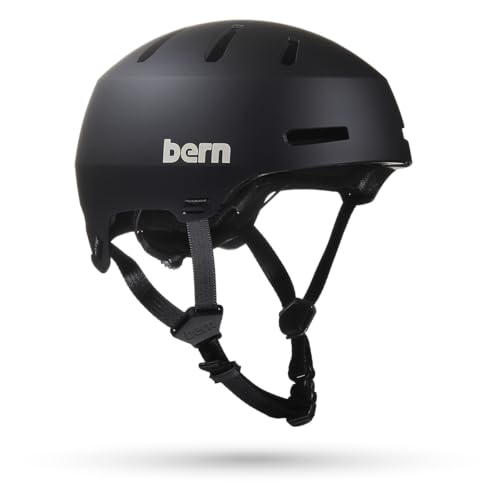
Bern Macon 2.0 MIPS Helmet
A removable liner system lets the same hardshell ABS shell work for skiing in winter and biking or skating once the padding swaps out. Dual certification covers both winter sports and bike use. Nine fixed vents keep the design simple, at the cost of extra warmth on the slopes.
Pros
- Removable liner allows year-round use
- Dual certification covers both skiing and biking
- Durable ABS shell resists impact damage well
Cons
- Fewer vents make it run warmer on the slopes
- Shell weighs more than dedicated ski-only helmets

OutdoorMaster Kelvin Ski Helmet
An in-mold shell pairs with adjustable venting at a price below premium brands, aimed at skiers who want core features without paying for MIPS. Thirteen vents adjust to a range of temperatures. An optional built-in visor skips the need for separate goggles on cloudy days.
Pros
- Lower cost than most in-mold competitors
- Adjustable vents handle a range of temperatures
- Optional visor version skips the need for goggles
Cons
- No MIPS or equivalent rotational protection
- Liner padding runs thinner than premium helmets
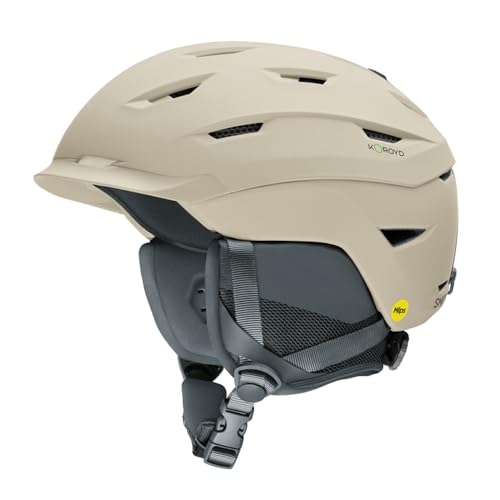
Smith Level MIPS Helmet
Smith trims the Vantage design down into a lighter, simpler helmet while keeping MIPS protection intact. Vent count and adjustability both drop compared to the flagship model. Skiers who want reduced weight over fine-tuned airflow control gain the most here.
Pros
- Lighter weight than the Vantage for less neck strain
- MIPS protection retained at a lower price
- Compact profile fits well under most goggles
Cons
- Fixed vents remove the Vantage’s adjustability
- Fewer vents overall than higher-tier Smith helmets

Giro Emerge MIPS Helmet
A simple fit dial and straightforward shell design aim this helmet at newer skiers who want reliable protection without configuring extra features. MIPS comes standard even at this entry-level price. Ten fixed vents keep the build basic but functional.
Pros
- Simple fit dial suits first-time helmet buyers
- MIPS included even at an entry-level price
- Lightweight shell reduces fatigue on long days
Cons
- Venting trails behind higher-tier helmets
- Fewer color and shell size options than the Vantage
What to look for
What to look for in a ski helmet Certification comes first: confirm ASTM F2040 or the equivalent CE EN 1077 before comparing anything else. That standard sets the minimum impact protection for snow sports. Shell type and vent count then decide day-to-day comfort more than brand name does.
MIPS and rotational impact protection MIPS and POC’s SPIN liner both address rotational forces from angled impacts, forces that standard foam alone doesn’t fully absorb. Budget helmets like the OutdoorMaster Kelvin skip this layer to hit a lower price. That tradeoff is worth weighing against the modest cost most MIPS-equipped alternatives add.
Ventilation for warm days versus cold resorts Adjustable vents, like the 21 on Smith’s Vantage, open airflow on a sunny spring day and close it during a cold morning lift ride. Fixed-vent helmets keep the design simpler but offer less control across a full season. Skiers who ride varied conditions benefit most from adjustability.
Helmets for beginners versus frequent skiers New skiers do fine with a simpler, fixed-vent helmet like the Giro Emerge, since fit and basic protection matter more than fine-tuned airflow early on. Frequent skiers logging many days per season benefit more from adjustable venting. Coverage-focused options like the POC Obex Spin suit skiers prioritizing protection over weight.
The lineup, side by side
| # | Model | Shell type | Best for | Score | Price |
|---|---|---|---|---|---|
| 1 | Smith Optics Vantage Helmet | In-mold construction | Best overall | 9.3 | Check price |
| 2 | Giro Ledge MIPS Helmet | Hybrid in-mold and hardshell | Best budget | 8.9 | Check price |
| 3 | POC Obex Spin Helmet | In-mold construction | Best for coverage | 8.7 | Check price |
| 4 | Bern Macon 2.0 MIPS Helmet | Hardshell ABS construction | Best for all-season use | 8.5 | Check price |
| 5 | OutdoorMaster Kelvin Ski Helmet | In-mold construction | Best value | 8.3 | Check price |
| 6 | Smith Level MIPS Helmet | In-mold construction | Best lightweight option | 8.1 | Check price |
| 7 | Giro Emerge MIPS Helmet | In-mold construction | Best for beginners | 8.0 | Check price |
Questions worth asking
What certification should a ski helmet have?
Look for ASTM F2040 in the US or CE EN 1077 in Europe. Both set minimum impact standards specifically for snow sports helmets.
Is MIPS worth it in a ski helmet?
MIPS adds protection against rotational impacts from angled falls, a common injury mechanism on skis. Most mid-range helmets now include it at a modest cost increase.
How many vents does a ski helmet need?
There’s no fixed number, but helmets with 15 or more adjustable vents, like Smith’s Vantage, handle a wider range of temperatures than fixed 9 to 10 vent designs.
Can one helmet work for both skiing and biking?
Some models, like the Bern Macon 2.0, carry dual certification and a removable liner system that lets the same shell serve both sports.
How should a ski helmet fit?
It should sit level on the head without rocking and cover the forehead just above the eyebrows. It should also pair snugly with goggles without gaps at the temples.
Do cheaper ski helmets meet the same safety standards?
Yes, budget options like the OutdoorMaster Kelvin still meet ASTM F2040. They typically skip extras like MIPS or adjustable venting instead.
How often should a ski helmet be replaced?
Manufacturers generally recommend replacing a helmet after any hard impact, or roughly every 5 years of regular use as foam and shell materials degrade.
What is the difference between MIPS and POC’s SPIN technology?
Both reduce rotational impact forces. SPIN uses a thinner liner layer built into the padding, while MIPS uses a separate low-friction layer inside the shell.
What is the best ski helmet for a first-time buyer?
The Giro Emerge MIPS keeps adjustment simple with a basic fit dial, a reasonable starting point before investing in a higher-vent helmet like the Vantage.
Are ski helmets and snowboard helmets the same?
Most helmets rated to ASTM F2040 or CE EN 1077 work for either sport, since the certification covers snow sports broadly rather than skiing alone.
Our pick
Smith Vantage remains the strongest all-around pick, backed by adjustable venting and an included MIPS liner. Skiers on a tighter budget should choose Giro Ledge MIPS instead, since it keeps MIPS protection at a lower price. Anyone prioritizing maximum head coverage over weight will get more from POC Obex Spin.
Derek Holt
Derek has a background coaching recreational and amateur athletes and has worked the sales floor at specialty fitness retailers. He focuses on equipment durability, ergonomics and realistic use cases rather than marketing claims.