How to Pick Shade Cloth Density for Your Garden
Coolaroo Exterior Shade Fabric ranks as the best overall shade cloth thanks to knitted polyethylene that resists fraying and vents heat. Agfabric Sunblock Shade Cloth suits greenhouses needing precise light control, and Sunnyglade Shade Cloth offers the best value for everyday garden coverage. Each lists a stated shade percentage on Amazon.
Coolaroo Exterior Shade Fabric earns the top spot among shade cloths because its knitted polyethylene weave resists fraying and lets heat escape upward. Agfabric Sunblock Shade Cloth suits greenhouses and garden beds, where matching a precise shade percentage to a crop matters more than looks. Shatex Shade Cloth works best over patios and pergolas, since its mesh vents air while still cutting glare.
Shade percentage alone does not tell the whole story. Knitted and woven construction, grommet spacing and edge reinforcement all affect how long a panel survives outdoors. We compared stated shade percentages, construction type, edge finishing and available sizes across current Amazon listings, then weighed what owners report about sagging, fading and wind performance.
Our top picks
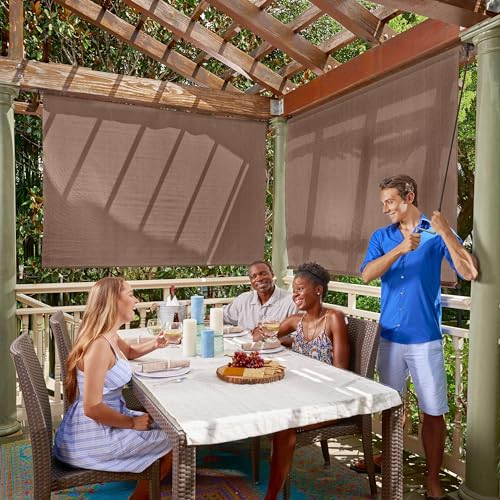
Coolaroo Exterior Shade Fabric
Coolaroo builds this fabric from knitted high density polyethylene, so cut edges stay intact without hemming. Airflow passes through the weave instead of pooling underneath, which keeps seating areas noticeably cooler than a solid tarp. Manufacturer specifications list roughly 90 percent UV block, and owners report the color holds up after multiple summers outdoors.
Pros
- Cut-to-fit edges resist unraveling
- Mesh weave keeps air moving underneath
- Holds color across multiple seasons
Cons
- Grommets and fixing hardware sold separately
- Costs more per square foot than basic woven cloth

Agfabric Sunblock Shade Cloth
Agfabric sells this cloth in several shade percentages, so growers can match light levels to specific crops. Panels arrive with taped edges and grommets already fitted, which speeds up tying onto a hoop house frame. Seedlings, leafy greens and shade tolerant vegetables all fall within its percentage range.
Pros
- Choice of shade grades for different crops
- Grommets installed from the factory
- Wide range of panel sizes
Cons
- Grommet spacing widens on larger panels
- Color choices stay limited

Shatex Shade Cloth
Shatex targets outdoor living spaces rather than farm plots. Its knit blocks sun from seating areas while venting hot air upward instead of trapping it. Reinforced edges arrive with grommets already spaced for quick tie off on a pergola frame.
Pros
- Vents heat instead of trapping it below
- Grommets speed up pergola installation
- Available in several colors
Cons
- Rain passes through rather than sheds off
- Wide panels need extra support in wind
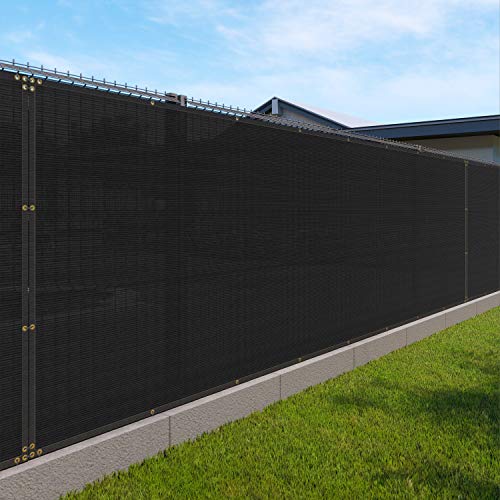
Windscreen4less Shade Cloth
Windscreen4less cuts panels to custom widths, which avoids seaming multiple pieces across a long fence or kennel run. Heavier fabric and tightly spaced grommets hold tension over spans that would sag with lighter cloth. Commercial installers use it as often as homeowners do.
Pros
- Spans long distances without seams
- Heavier fabric resists sagging under tension
- Custom cut sizing available
Cons
- Weight makes solo installation harder
- More fabric than a small patio needs

Alion Home Sun Shade Cloth
Alion Home finishes each panel with bound edges and stitched seams, so it looks tidier than a raw cut cloth. The knit still breathes, which matters on a small balcony where trapped heat has nowhere to go. Several color options let it match existing outdoor furniture.
Pros
- Bound edges give a finished look
- Breathable weave suits small balconies
- Wider color range than most competitors
Cons
- Fewer oversized panel options
- Higher price per square foot

Sunnyglade Shade Cloth
Sunnyglade handles everyday jobs like shading a vegetable bed or a dog run without a big outlay. Lighter fabric means one person can hang or move it in minutes. Stated shade sits around 70 percent, enough for most vegetables but short of what direct sun exposure over people needs.
Pros
- Light enough to reposition solo
- Lower cost per square foot
- Enough shade for most vegetable crops
Cons
- Wears faster under constant full sun
- Largest panel sizes are limited

ColourTree Shade Cloth
ColourTree weaves a denser knit than most shade cloths, which blocks sightlines as well as sun. Fence lines and pergola sides both benefit from the added privacy. Owners report it needs firm tensioning in open, windy spots to stop it flapping.
Pros
- Blocks sightlines as well as sun
- Reinforced edging holds up to tension
- Strong UV block for the density
Cons
- Denser knit cuts airflow underneath
- Needs firm tensioning in wind
How to pick the right one
What shade percentage should you buy? Shade percentage tells you how much sunlight the fabric stops, and it changes with what sits underneath. Vegetables and most garden crops thrive under roughly 30 to 50 percent. Shade loving plants and seedlings prefer 50 to 70 percent. People, pets and parked cars usually need 80 to 90 percent or higher. Overshading a vegetable bed cuts yield, so match the number to the job before you buy.
Knitted vs woven shade cloth: what’s the difference? Knitted polyethylene stretches slightly under load and can be cut anywhere without unravelling. Woven fabric blocks more light per ounce of material but frays badly at cut edges and tends to trap heat underneath. Anyone trimming a panel to fit an odd space should default to knitted. Woven still has a place where maximum light blocking matters more than airflow.
Best shade cloth for vegetable gardens and greenhouses Growers need flexibility more than looks. A cloth sold in multiple shade grades lets you dial in the right percentage for tomatoes versus leafy greens under the same frame. Taped edges and pre installed grommets save time when a hoop house needs covering before a heatwave. Panel width matters too, since beds rarely match standard patio sizes.
How do you stop shade cloth sagging or ripping in wind? Fabric almost never fails first, the fixings do. Thread a rope or cable through the edge hem to spread tension across the whole panel rather than pulling at single grommets. Leave a little slack so wind can pass through without stressing the corners. Take panels down ahead of serious storms, and dry fabric fully before folding it away to avoid mildew stains over winter.
The lineup, side by side
| # | Model | Construction | Best for | Score | Price |
|---|---|---|---|---|---|
| 1 | Coolaroo Exterior Shade Fabric | Knitted HDPE | Best overall | 9.4 | Check price |
| 2 | Agfabric Sunblock Shade Cloth | Knitted HDPE | Best for greenhouses and garden beds | 9.2 | Check price |
| 3 | Shatex Shade Cloth | Knitted breathable mesh | Best for patios and pergolas | 9.0 | Check price |
| 4 | Windscreen4less Shade Cloth | Heavy knitted HDPE | Best for large spans | 8.8 | Check price |
| 5 | Alion Home Sun Shade Cloth | Knitted HDPE | Best for balconies and visible spaces | 8.6 | Check price |
| 6 | Sunnyglade Shade Cloth | Knitted mesh | Best value | 8.3 | Check price |
| 7 | ColourTree Shade Cloth | Dense knitted HDPE | Best for privacy screening | 8.0 | Check price |
Common questions
What shade percentage do vegetables need?
Most vegetables grow well under roughly 30 to 50 percent shade during peak summer heat. Leafy greens and seedlings tolerate more, closer to 50 to 60 percent, while fruiting crops do better at the lower end so they still get enough light.
Is shade cloth waterproof?
No, standard shade cloth is a mesh and lets water pass through. It softens the force of heavy rain but will not keep an area dry. A solid waterproof cover would trap heat instead, defeating the purpose.
Can shade cloth be cut to size at home?
Knitted fabric can be cut anywhere without unravelling, which is its main practical edge over woven cloth. Woven fabric frays at raw edges and needs hemming or edge tape after cutting.
How long does shade cloth last outdoors?
UV stabilized knitted fabric commonly lasts several seasons in full sun, longer if you take it down over winter. Lighter, cheaper fabrics fade and weaken sooner under constant exposure.
Knitted vs woven shade cloth, which is better?
Knitted wins for most home uses because it breathes, resists tearing and can be trimmed without fraying. Woven fabric blocks slightly more light for the weight but frays at cuts and traps more heat underneath.
How do I stop shade cloth from sagging?
Support long spans with a cable or rope run through the edge hem, tie off at regular intervals instead of just the corners, and re tension after the first few weeks once the fabric settles.
Does a darker shade cloth block more sun?
Color and shade percentage are related but not identical, so check the stated percentage rather than guessing from color. Darker fabric tends to absorb more heat while lighter colors reflect more of it away.
Can shade cloth be used over a dog run?
Yes, and a higher percentage fabric makes sense there since animals need real protection from direct sun. Fix the panel well clear of the ground so air keeps circulating underneath.
What is the best shade cloth for a greenhouse?
A cloth sold in multiple shade grades works best for greenhouses, since different crops want different light levels under the same structure. Taped edges with pre installed grommets also speed up tying it to a hoop frame.
How do you clean and store shade cloth?
Hose off dust and pollen, and use mild soapy water for stubborn marks. Let the fabric dry completely before folding it for storage, since damp fabric develops mildew stains over time.
Our pick
Coolaroo Exterior Shade Fabric remains the shade cloth to buy first, since its knitted weave cuts cleanly and still breathes in full sun. Growers should look at Agfabric for a wider spread of shade percentages, while Windscreen4less answers the call when a span runs long and needs custom sizing.
Sierra Daniels
Sierra's background is in landscape design and nursery retail. She focuses on lawn and garden equipment, outdoor furniture and gear durability, weighing published specs against how materials actually hold up outside.