Durable Sewing Thread for Garments, Quilts and Repairs
Gutermann Sew-All Thread is the most reliable all-purpose choice, sewing cleanly on almost any fabric with minimal lint. Coats and Clark Dual Duty XP offers the best everyday value, and Aurifil Mako 50wt Cotton is the quilter’s go-to for its fine, low-lint finish.
Gutermann Sew-All Thread handles most fabrics with clean stitches and belongs on any dependable shelf. Coats and Clark Dual Duty XP delivers the strongest everyday value, and Aurifil Mako 50wt Cotton is the quilter’s favorite for its fine, low-lint finish.
Thread choice is trickier than a spool wall suggests, since fiber, weight and finish all change how a stitch behaves. The wrong spool causes shredding, tension trouble and lint buildup that has nothing to do with the machine itself. We compared seven widely sold threads on their published specs and what sewists consistently report, so thread can get matched to project and machine rather than picked at random.
What to look for
Polyester versus cotton thread Polyester threads like Gutermann Sew-All and Mettler Metrosene offer a little stretch and strong abrasion resistance, which suits garments, knits and anything that flexes. Cotton threads such as Aurifil and Connecting Threads Essential press flat and blend into cotton quilts, but give up some of that stretch. Matching fiber to fabric keeps seams from puckering or breaking over time.
What thread weight numbers actually mean A number like 50wt describes thickness, and higher numbers mean finer thread rather than heavier thread. 50wt is a versatile middle ground for most piecing and general sewing. Heavier weights suit topstitching, and lighter weights disappear into delicate work. A finer thread in detailed quilting reduces bulk where many seams meet.
Lint, tension and machine health Cheaper or fuzzier threads shed more lint, which builds up in the bobbin case and tension discs and can cause skipped stitches. Low-lint threads keep tension more consistent and the machine cleaner between services. Fraying or breakage often traces back to the wrong needle size or unbalanced top and bobbin tension rather than the thread alone.
Matching thread to the project in front of you No single thread suits every job on a sewing table. Strong all-purpose polyester covers garments and repairs, fine low-lint cotton covers quilt piecing, and a matte lightweight thread covers embroidery and applique. Keeping a few trusted spools on hand for different tasks beats forcing one thread to do everything.
Our top picks

Gutermann Sew-All Thread
A light wax finish on this fine polyester thread helps it feed smoothly through most machines without catching. Sewists report low lint, dependable tension and enough strength for everything from garments to home decor. The color range is wide enough to match almost any fabric on the shelf.
Pros
- Smooth feeding with low lint
- Consistent tension across machines
- Huge color selection
Cons
- Costs more than bargain spools
- Smaller spool yardage than value brands
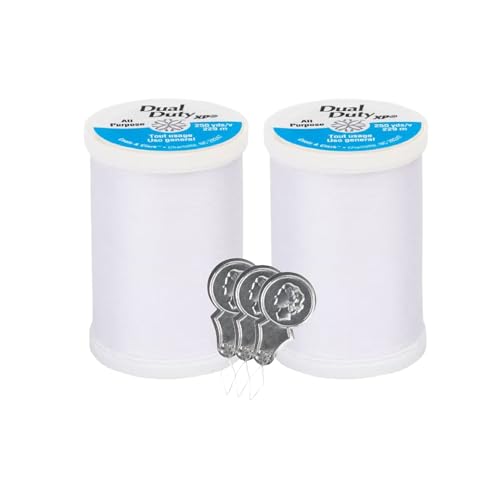
Coats and Clark Dual Duty XP All Purpose
Cotton wrapped polyester construction makes this thread widely stocked and priced for everyday sewing. Owners like its balanced strength and easy availability, which makes it a practical staple for repairs and general garment work alike. It handles most weeknight sewing without any special planning.
Pros
- Excellent price per yard
- Easy to find in most stores
- Balanced strength for daily use
Cons
- More lint than premium threads
- Finish less refined than European brands

Mettler Metrosene
A tight twist and silky finish give this all-purpose polyester thread its reputation for resisting breakage under stress. Based on specifications and owner feedback, it suits both delicate piecing and heavier construction seams equally well. High speed machines run it without extra fuss.
Pros
- Strong and abrasion resistant
- Smooth low-lint finish
- Reliable on high speed machines
Cons
- Fewer stores stock it
- Priced above budget options

Aurifil Mako 50wt Cotton
Long staple Egyptian cotton gives this thread a fine profile that presses flat and hides inside the seam rather than sitting on top of it. Quilters report notably low lint and clean piecing, which keeps intricate blocks accurate. A large spool yardage means fewer swaps on bigger projects.
Pros
- Very low lint for a cotton thread
- Fine profile presses seams flat
- Large spool yardage
Cons
- Premium price point
- Cotton is less stretchy than poly
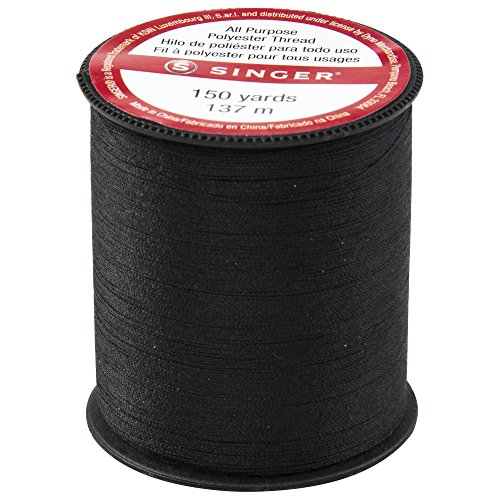
Singer All Purpose Thread
An inexpensive multipack of polyester covers repairs, crafts and everyday stitching without a big outlay. Owners find it perfectly serviceable for casual sewing when a premium spool would be overkill. Color variety in the pack suits most quick fixes without a special trip to the store.
Pros
- Very affordable multipacks
- Wide assortment of colors
- Fine for repairs and crafts
Cons
- More lint and slight fuzz
- Less consistent than premium brands

Superior Threads So Fine
Three thin polyester plies let this thread sink into fabric and reduce bulk where stitches overlap. Owners favor it for machine quilting, applique and embroidery, where a fine, low-sheen finish matters more than raw thickness. Strength holds up well despite the light weight.
Pros
- Fine profile blends into fabric
- Low lint and low sheen
- Strong for its light weight
Cons
- Not ideal for heavy topstitching
- Limited local availability

Connecting Threads Essential Cotton
Mercerized cotton construction, sold in coordinated sets, targets quilt piecing and cotton fabrics specifically. Owners appreciate the value on multi-spool collections and how well it behaves on ordinary domestic machines. Color coordination across a set saves guesswork on a multi-fabric quilt.
Pros
- Good value in coordinated sets
- Sews cleanly on cotton fabrics
- Nice range of coordinated colors
Cons
- More lint than premium cotton
- Mainly sold direct rather than in stores
How they compare
| # | Model | Fiber | Best for | Score | Price |
|---|---|---|---|---|---|
| 1 | Gutermann Sew-All Thread | 100 percent polyester | Best overall | 9.4 | Check price |
| 2 | Coats and Clark Dual Duty XP All Purpose | Cotton wrapped polyester | Best value | 9.0 | Check price |
| 3 | Mettler Metrosene | 100 percent polyester | Best for durability | 8.8 | Check price |
| 4 | Aurifil Mako 50wt Cotton | Long staple Egyptian cotton | Best for quilting | 8.7 | Check price |
| 5 | Singer All Purpose Thread | 100 percent polyester | Best budget | 8.3 | Check price |
| 6 | Superior Threads So Fine | 100 percent polyester | Best for machine embroidery | 8.2 | Check price |
| 7 | Connecting Threads Essential Cotton | 100 percent mercerized cotton | Best for piecing | 8.0 | Check price |
Good to know
What is the best all-purpose sewing thread?
Gutermann Sew-All Thread is a top all-purpose choice because it feeds smoothly, produces little lint and holds tension well across many fabrics. Coats and Clark Dual Duty XP is a strong value alternative for everyday sewing on a budget.
Should I use polyester or cotton thread?
Use polyester for garments, knits and anything that stretches, since it has some give and resists abrasion. Choose cotton for quilt piecing and cotton fabrics, where a flat, blended-in seam matters more than stretch.
What does thread weight mean on the label?
Weight describes thread thickness, and a higher number means finer thread rather than heavier. 50wt is a versatile all-round choice, heavier threads suit topstitching, and finer threads suit delicate or detailed work.
Why does my thread keep breaking mid-seam?
Breakage usually comes from a mismatch between thread, needle and tension, or from old, brittle thread. Owners report fewer breaks after switching to low-lint thread, fitting a fresh correctly sized needle and balancing top and bobbin tension.
Which thread is best for quilting specifically?
Many quilters prefer a fine low-lint cotton such as Aurifil 50wt for piecing, since it presses flat and keeps blocks accurate. Fine polyester threads also work well for machine quilting where strength under stress matters more.
Does cheap thread damage my sewing machine?
Very fuzzy bargain thread sheds more lint, which can collect in the bobbin area and tension discs and lead to skipped stitches. It will not instantly harm the machine, but regular cleaning becomes more important with it in use.
Can I use the same thread in the bobbin and on top?
Yes, using the same thread top and bobbin is common and helps keep tension balanced. Some quilters use a finer thread in the bobbin specifically to reduce bulk, which is largely a matter of preference.
How much thread do I need for a full quilt?
It varies with project size, but a larger high-yardage spool like Aurifil’s reduces how often you swap spools mid-quilt. For small repairs and crafts, a modest multipack usually covers several projects.
Is Gutermann or Coats and Clark better for everyday sewing?
Gutermann Sew-All edges ahead on lint, feed smoothness and tension consistency across machines. Coats and Clark Dual Duty XP costs noticeably less per yard and is easier to find locally, making it the more practical daily pick for many sewists.
What thread works best for machine embroidery?
Superior Threads So Fine is built specifically for this, using three thin plies that sink into fabric and reduce visible bulk. Its matte, low-sheen finish also suits applique work where a glossy thread would stand out too much.
Our pick
Gutermann Sew-All Thread earns the overall nod for clean, low-lint stitching on nearly any fabric a sewist reaches for. Coats and Clark Dual Duty XP is the value staple worth keeping stocked for daily sewing. Quilters chasing precise, flat seams should keep a spool of Aurifil Mako 50wt Cotton within reach at all times.
Jake Monroe
Jake worked as a residential contractor for over a decade before shifting to full-time writing. He evaluates power tools, hand tools and workshop gear through the lens of someone who has actually used them on job sites, not just read the box.