How to Pick Scrapbook Paper That Won’t Yellow or Curl
American Crafts Weathervane Cardstock leads this comparison for layering solid backgrounds under photos and embellishments. DCWV The Mega Pack gives beginners the widest pattern variety in one box, covering florals, solids and textures. Bazzill Basics Cardstock carries an acid-free, lignin-free rating built for albums meant to last decades.
American Crafts Weathervane Cardstock tops this comparison since its 80 lb weight resists curling once glue or embellishments go on. Beginners assembling a first album fare better with DCWV The Mega Pack, which bundles hundreds of coordinated patterns into one box. Anyone building a keepsake meant to outlast a generation should reach for Bazzill Basics Cardstock instead, rated both acid-free and lignin-free.
Scrapbook paper looks similar on a shelf, but weight and chemical rating decide how it ages inside an album. Thin sheets curl at the edges, acidic stock yellows the photos pressed against it, and cheap printing bleeds once adhesive touches the page. We compared stated paper weight, acid and lignin ratings, pattern count and single versus double-sided printing, then checked owner reports of fading, warping and color mismatch between batches.
What to look for
What paper weight means for scrapbooking Weight is measured in pounds, and heavier sheets resist the curling that starts once glue, tape or foam adhesive goes on. Cardstock at 80 lb holds die cuts and layered elements without sagging. Lighter 60 to 65 lb paper works fine as a flat background but struggles under heavier embellishments.
Why acid-free and lignin-free ratings matter Acid and lignin inside cheap paper break down over years and yellow anything pressed against them, including photos in an album. Both ratings matter most on paper going into a keepsake meant to last decades. Everyday project paper without the rating still works fine for pages that skip original photographs.
Pattern packs vs solid cardstock, and when to mix them Patterned paper carries the visual theme of a page, while solid cardstock supplies the structural backing patterns sit on. A balanced stash includes both, since an all-pattern page looks busy and an all-solid page looks flat. Coordinated collection kits solve the matching problem for anyone who finds pairing patterns time-consuming.
Single-sided or double-sided, which fits your project Double-sided sheets print a different design on each face, doubling usable layouts per sheet and cutting waste. Single-sided paper leaves the back blank, which some crafters prefer for note-writing or a plain layer under cutouts. Foil and glitter accents usually stick to single-sided stock, since the effect only reads from one direction.
The best picks, ranked

American Crafts Weathervane Cardstock Pack
Solid colors fill this pack rather than busy prints, so it works as the layer sitting behind photos and embellishments. At 80 lb, sheets resist curling once adhesive or foam tape goes on. A smooth finish takes ink and stamping cleanly, letting it double as a base for hand-lettered titles.
Pros
- Heavy 80 lb stock resists curling under adhesive
- Smooth surface takes ink and stamps cleanly
- Solid colors layer under any patterned sheet
Cons
- No printed patterns, colors only
- Fewer sheets per pack than pattern bundles

DCWV The Mega Pack Scrapbook Paper Stack
One stack covers florals, solids, textures and holiday prints, so a new scrapbooker skips buying a dozen separate packs. Double-sided printing gives every sheet two usable designs. Paper weight runs lighter than dedicated cardstock, better suited to background pages than structural die cuts.
Pros
- One stack replaces many single-theme packs
- Double-sided sheets double the usable designs
- Wide variety covers most project themes at once
Cons
- Lighter weight than dedicated cardstock
- Some patterns repeat across the 180-sheet stack

Bazzill Basics Paper Cardstock Multipack
Bazzill rates this cardstock acid-free and lignin-free, the two factors that yellow photos stored against paper over years. A textured side adds grip for hand lettering. Colors ship solid rather than printed, so it pairs with a patterned line to complete a full-page layout.
Pros
- Acid-free and lignin-free rating suits long-term storage
- Textured side improves grip for hand lettering
- Color stays consistent across the multipack
Cons
- Smaller sheet count than pattern-heavy packs
- Solid colors only, no printed designs

Echo Park Paper Co. Collection Kit
Echo Park sells paper by themed collection, so every sheet in a kit already coordinates in color and motif. That skips the trial and error of matching patterns pulled from separate packs. Kits run smaller than mixed mega packs, better suited to one project than an ongoing paper stash.
Pros
- Every sheet coordinates without extra matching work
- Double-sided designs add more layout options
- Themed kits suit gifts and specific occasions
Cons
- Smaller sheet count than a general stash
- Locked to a single theme per kit

K&Company Whimsy Paper Pad
Metallic foil and glitter details on select sheets add shine that plain cardstock cannot match. The pad mixes those accented sheets with plainer patterns to keep a spread balanced. Glitter sheets shed slightly during cutting, so a mat or tray keeps the workspace clean.
Pros
- Foil and glitter sheets add visual interest
- Mixed plain and accented sheets balance a layout
- Suits celebration and holiday pages well
Cons
- Glitter sheds while cutting
- Single-sided printing limits designs per sheet
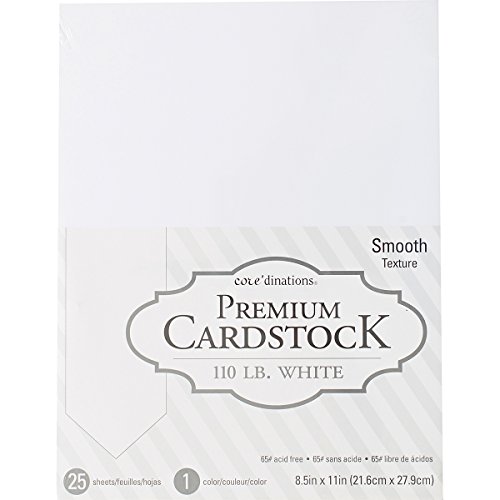
Core’dinations Value Pack Cardstock
Color runs through the full thickness of this cardstock, so sanded or distressed edges reveal a matching tone instead of white paper underneath. That effect suits vintage-style layouts. The value pack trades pattern variety for a large stack of solid colors at a lower per-sheet cost.
Pros
- Sanded edges reveal a matching core color
- Large sheet count lowers the per-sheet cost
- Heavy stock holds up well to die cutting
Cons
- Colors only, no printed patterns
- Distressing technique is required to see the core effect

Recollections Signature Paper Pad
This pad covers basic seasonal and general-purpose patterns at a price aimed at casual crafters rather than dedicated hobbyists. Paper weight sits on the lighter end, better suited to background layers than cut-out shapes. It works as a starter pad before investing in heavier specialty stock.
Pros
- Lowest price among the packs compared
- Double-sided sheets add extra design options
- Works well as a starter pad for occasional crafting
Cons
- Lighter weight curls more easily than cardstock
- Patterns read as generic next to branded collections
The lineup, side by side
| # | Model | Weight | Best for | Score | Price |
|---|---|---|---|---|---|
| 1 | American Crafts Weathervane Cardstock Pack | 80 lb cardstock | Best overall | 9.4 | Check price |
| 2 | DCWV The Mega Pack Scrapbook Paper Stack | 65 lb, double-sided | Best for beginners | 9.1 | Check price |
| 3 | Bazzill Basics Paper Cardstock Multipack | 80 lb cardstock | Best for archival albums | 8.9 | Check price |
| 4 | Echo Park Paper Co. Collection Kit | 65 lb, double-sided | Best for themed layouts | 8.6 | Check price |
| 5 | K&Company Whimsy Paper Pad | 65 lb, single-sided | Best for embellished pages | 8.3 | Check price |
| 6 | Core’dinations Value Pack Cardstock | 80 lb cardstock | Best value | 8.1 | Check price |
| 7 | Recollections Signature Paper Pad | 60 lb, double-sided | Best budget | 8.0 | Check price |
Good to know
What is the best paper weight for scrapbooking?
80 lb cardstock is standard for pages holding die cuts or layered embellishments. Lighter 60 to 65 lb paper suits flat background patterns where curling matters less.
Is scrapbook paper the same thing as cardstock?
Cardstock is a heavier, sturdier type of scrapbook paper, usually solid colored and used as a structural base. Patterned scrapbook paper runs lighter and sits on top as a decorative layer.
Does scrapbook paper need to be acid-free?
For pages holding original photographs long term, yes, since acid and lignin cause yellowing over years. Decorative pages without direct photo contact do fine with non-rated paper.
Can scrapbook paper be used for card making?
Yes, both patterned and solid scrapbook paper work well for card making, and standard 12 by 12 sheets cut down into card sizes with little waste.
How many sheets of scrapbook paper does one album need?
A typical 20 to 30 page album uses roughly 40 to 60 sheets when mixing patterns with cardstock backgrounds, though heavy embellishment raises that count.
What does double-sided scrapbook paper mean?
It is paper printed with a different design on each face, so one sheet gives two usable looks. It costs slightly more per sheet but lowers the total sheet count needed.
Scrapbook paper vs construction paper, which holds up better?
Scrapbook paper runs thicker, is acid-free in most cases, and comes printed with craft-specific patterns, making it the better pick for lasting albums. Construction paper is thinner, often acidic, and suits temporary school projects instead.
Which scrapbook paper works best for beginners?
A mixed mega pack like DCWV The Mega Pack gives beginners enough variety to finish a first album without shopping for separate coordinating packs.
Can glitter or foil scrapbook paper be cut with regular scissors?
Yes, though glitter sheds during cutting, so working over a mat or tray keeps the mess contained and off the rest of the workspace.
Final word
American Crafts Weathervane Cardstock earns the top spot as a reliable base layer, since its weight and finish handle both layering and lettering. Beginners should start with the DCWV Mega Pack instead, because the built-in variety removes the need to shop for matching patterns early on. Anyone building an album meant to outlast a generation should spend the extra on Bazzill Basics Cardstock for its acid-free, lignin-free rating.
Jake Monroe
Jake worked as a residential contractor for over a decade before shifting to full-time writing. He evaluates power tools, hand tools and workshop gear through the lens of someone who has actually used them on job sites, not just read the box.


