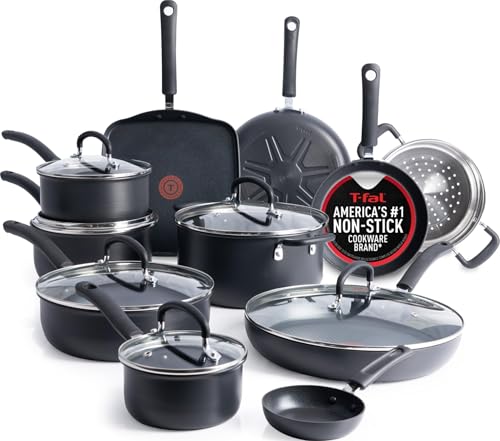
Stainless vs Nonstick Saucepans: What Actually Lasts
All-Clad D3 Stainless Steel 2 Quart Saucepan ranks as the top overall pick for fully clad construction and even heating. Cuisinart MultiClad Pro MCP19-18N matches that cladding for less. Tramontina Tri-Ply Clad 3 Quart adds larger capacity at the lowest cost among fully clad options here.
All-Clad D3 suits cooks who want decades of even heating without a scorched ring. Cuisinart MultiClad Pro delivers nearly the same tri ply construction for noticeably less. Tramontina Tri-Ply Clad covers that same construction at the lowest cost, plus extra capacity for larger batches.
Saucepans look identical in photos, yet a disc bottom pan scorches sauces where a fully clad pan stays even. Handle angle, lid fit and pour lip shape decide daily comfort. We compared construction method, base thickness, induction compatibility and oven limits based on manufacturer specifications. Long term owner reports about warping, staining and handle heat factored in too.
The best picks, ranked
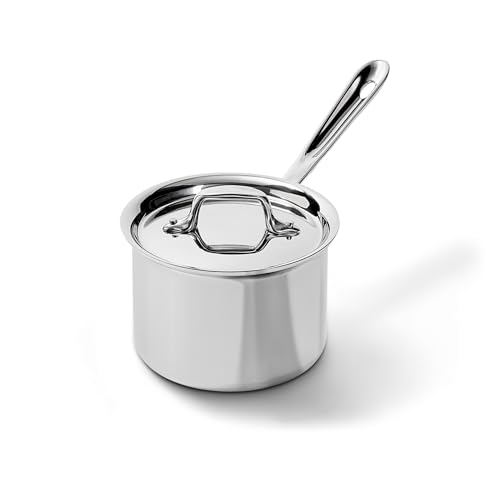
All-Clad D3 Stainless Steel 2 Quart Saucepan
Aluminium sits bonded between two layers of stainless steel across the full pan, walls included. Heat rises evenly up the sides instead of pooling in a ring at the base, which protects sauces and custards from scorching. Some cooks find the narrow stainless handle less comfortable during long stirring sessions, though it stays cooler than solid metal handles.
Pros
- Heat spreads evenly across base and walls
- Oven safe to 600 degrees Fahrenheit
- Riveted construction holds up for decades
Cons
- Narrow handle divides opinion on long stirs
- Costs more than every other pan compared here

Cuisinart MultiClad Pro MCP19-18N Saucepan
Tri ply full cladding matches premium construction at a lower cost, which makes this the default pick for most kitchens. A tapered rim pours cleanly, and the lid seals tight enough to hold steam during reductions. Owners report the handle runs hotter than All-Clad on gas burners, so a towel stays handy.
Pros
- Full cladding at a lower cost than premium brands
- Tapered rim pours without dripping
- Tight lid seal supports reductions and steaming
Cons
- Handle heats up faster on gas burners
- Interior shows stains more than premium finishes

Tramontina Tri-Ply Clad 3 Quart Covered Saucepan
Full tri ply cladding extends through this three quart pan, covering pasta portions, grains and larger soup batches. A thick base resists warping under high heat. Handle welds and rim finish trail behind premium brands, though the core construction performs the same job.
Pros
- Genuine full cladding at the lowest cost here
- Three quart capacity suits batch cooking
- Thick base resists warping under high heat
Cons
- Welds and rim finish feel less refined
- Lid weighs more than the pan needs

Le Creuset Signature Enameled Cast Iron Saucepan
Enamelled cast iron holds heat far longer than stainless, so a simmer stays gentle once it settles. The interior enamel resists reacting with tomato or wine based sauces and wipes clean afterward. Weight makes this pan slow to respond to a burner change, and the enamel chips if knocked or shocked by sudden temperature swings.
Pros
- Retains heat for long, steady simmers
- Non reactive enamel suits acidic sauces
- Interior cleans easily after cooking
Cons
- Heavy and slow to respond to heat changes
- Enamel chips under impact or thermal shock

GreenPan Valencia Pro Ceramic Nonstick Saucepan
Ceramic nonstick coats a hard anodised body, releasing eggs, porridge and milk based sauces without the sticking bare stainless can cause. Oven safe rating reaches 600 degrees Fahrenheit, higher than most nonstick pans. Ceramic coatings lose release performance within a few years regardless of care, so treat it as a replaceable pan rather than a lifetime one.
Pros
- Releases eggs, porridge and milk sauces cleanly
- Oven rating matches fully clad stainless pans
- Wipes clean with minimal scrubbing
Cons
- Coating loses grip within a few years
- Metal utensils are off limits

T-fal Ultimate Hard Anodized Nonstick Saucepan
A built in heat indicator changes appearance once the pan reaches cooking temperature, useful for anyone still learning to preheat properly. The nonstick surface holds up well for its price and tolerates the dishwasher. Heat travels less evenly up the walls than in a fully clad stainless pan, since this construction skips full cladding.
Pros
- Heat indicator signals proper preheating
- Coating durability beats other budget nonstick pans
- Light enough for one handed handling
Cons
- Walls heat less evenly than fully clad pans
- Oven limit stops at 400 degrees Fahrenheit

Farberware Classic Stainless Steel 3 Quart Saucepan
An encapsulated aluminium disc sits in the base rather than running through the walls, which handles boiling water, pasta and vegetables without trouble. Low cost and light weight make it an easy pan to reach for daily. Heat concentrates over the disc, so delicate sauces catch more easily around the base edge.
Pros
- Low cost for a stainless pan
- Light weight suits daily handling
- Handles boiling and steaming reliably
Cons
- Disc base heats unevenly for delicate sauces
- Oven limit stops at 350 degrees Fahrenheit
What to look for
Fully clad vs disc bottom: what actually changes? Full cladding bonds aluminium between stainless layers across the base and walls. Heat then travels up the sides instead of stopping at the bottom. Disc bottom pans attach a thick aluminium plate only under the base, which costs less and boils water just fine. Reduce a sauce in a disc bottom pan, though, and a scorched ring often appears where the disc edge ends. Dairy, sugar and egg based sauces benefit most from full cladding, so it is worth prioritizing if you cook those often.
What size saucepan do most kitchens need? Two quarts covers everyday sauces, small grain portions and reheating, which is why most cooks reach for it daily. Three quarts handles pasta portions, soup and larger batches without crowding the pan. Anything under one and a half quarts works mainly for melting butter or warming milk for one. Buying only one pan, two quarts covers the most ground. A second three quart pan then adds volume for family meals.
Which material suits your cooking style? Bare stainless browns food well and tolerates metal utensils, though sticky foods like porridge or scrambled eggs need extra fat and attention. Nonstick coatings release those same foods with ease, but they cannot handle metal utensils, degrade over a few years and carry a lower oven limit. Enamelled cast iron keeps heat steady through long simmers yet weighs more and responds slowly to burner changes. Many kitchens pair a clad stainless pan for daily cooking with a small nonstick one reserved for eggs and milk.
Do handles, lids and induction compatibility matter? Hollow stainless handles run cooler than solid ones. An angled handle also keeps a gas flame from licking around it. Riveted handles outlast spot welded ones under repeated leverage. A tight fitting lid traps steam for reductions, and a rolled pour lip stops sauce running down the outside of the pan. Induction cooktops need a magnetic base, so confirm compatibility before buying. Some hard anodised nonstick pans use a non ferrous body instead.
Compared at a glance
| # | Model | Construction | Best for | Score | Price |
|---|---|---|---|---|---|
| 1 | All-Clad D3 Stainless Steel 2 Quart Saucepan | Tri ply fully clad stainless | Best overall | 9.4 | Check price |
| 2 | Cuisinart MultiClad Pro MCP19-18N Saucepan | Tri ply fully clad stainless | Best value | 9.2 | Check price |
| 3 | Tramontina Tri-Ply Clad 3 Quart Covered Saucepan | Tri ply fully clad stainless | Best budget clad pan | 9.0 | Check price |
| 4 | Le Creuset Signature Enameled Cast Iron Saucepan | Enamelled cast iron | Best for slow simmering | 8.8 | Check price |
| 5 | GreenPan Valencia Pro Ceramic Nonstick Saucepan | Hard anodised with ceramic nonstick | Best nonstick for eggs and dairy | 8.6 | Check price |
| 6 | T-fal Ultimate Hard Anodized Nonstick Saucepan | Hard anodised aluminium with nonstick | Best budget nonstick | 8.3 | Check price |
| 7 | Farberware Classic Stainless Steel 3 Quart Saucepan | Stainless with encapsulated aluminium base | Best for everyday boiling and pasta | 8.0 | Check price |
Frequently asked questions
What size saucepan is most useful for everyday cooking?
Two quarts handles sauces, grains and reheating for most households. Three quarts suits pasta portions, soup and batch cooking when you need more room.
Is a fully clad saucepan worth the extra cost?
Yes, if sauces, custards or dairy based dishes are a regular part of your cooking. Disc bottom pans concentrate heat in a ring that scorches delicate mixtures, while boiling water shows little difference either way.
Can you use a stainless saucepan on an induction cooktop?
Stainless and enamelled cast iron pans generally work on induction. Some hard anodised nonstick pans skip the magnetic base entirely, so check the listing before buying.
How do you stop food sticking in a stainless saucepan?
Preheat the empty pan first, then add fat once it shimmers, followed by food. Adding cold food straight into a cold pan causes most sticking.
How long does nonstick coating typically last?
Roughly two to five years with careful use. Metal utensils, high heat and dishwashers all shorten that lifespan regardless of the brand.
Why does a stainless saucepan develop rainbow stains?
Heat forms a harmless oxide layer that shows up as color. White vinegar or a stainless cleaner removes it, and the same treatment clears chalky mineral spots left by hard water.
Are saucepan handles safe in the oven?
Stainless handles on clad pans usually tolerate 500 to 600 degrees Fahrenheit. Nonstick pans carry lower limits, and silicone or plastic handles rarely belong in the oven at all.
Should a saucepan go in the dishwasher?
Clad stainless survives dishwasher cycles, though hand washing keeps the finish brighter longer. Nonstick coatings and enamel both wear faster from dishwasher detergent.
Which is better for daily cooking, stainless or nonstick?
Stainless browns food and survives metal utensils, making it the better daily workhorse for most dishes. Nonstick wins for eggs, porridge and other foods that stick easily, so many kitchens keep one of each.
The bottom line
All-Clad D3 remains the saucepan worth buying once, since full cladding removes the scorched ring problem that frustrates cooks with cheaper pans. Cuisinart MultiClad Pro delivers nearly the same construction for less, making it the sensible pick for most kitchens. Add GreenPan Valencia Pro alongside either one if eggs and porridge show up on your stovetop often.
Dana Whitfield
Dana spent eight years buying and merchandising for a regional kitchenware retailer before moving into editorial work. She has handled thousands of SKUs across cookware, small appliances and kitchen organization, and focuses on the practical differences that matter once a product is actually in daily use.