How to Choose a Roof Rack That Fits Your Vehicle
Thule WingBar Evo leads this roundup for its quiet aerofoil shape and wide vehicle fit kit range. Yakima JetStream Crossbars sit close behind with a lower bar profile, and SportRack SR1002 Complete Roof Rack System suits a bare roof with no factory rails.
Thule WingBar Evo tops this comparison because its aerofoil bar cuts wind noise and its fit kit catalogue covers more vehicles than any competitor here. Yakima JetStream Crossbars sit almost as high with a lower profile that clears tight garages. SportRack SR1002 Complete Roof Rack System becomes the sensible pick once a car has no factory rails at all.
A roof rack purchase actually hides three separate decisions: the bar, the tower or foot, and a vehicle specific fit kit. Wrong choices reveal themselves within a mile, usually as a low frequency drone at highway speed. We compared published dynamic load ratings, bar cross sections, accessory slot types and available fit kits, then checked that against what owners report about noise, removal ease and long term corrosion resistance.
What we recommend

Thule WingBar Evo
Thule’s WingBar Evo uses a wing shaped aluminium bar with an integrated deflector strip that breaks up airflow noise. Fit kits exist for an unusually wide range of vehicles, covering raised rails, flush rails and fixed points. Bike carriers, cargo boxes and ski racks all mount through the same T slot channel.
Pros
- Quietest bar profile in this comparison
- Fit kits cover more vehicles than rival brands
- T slot accepts a large third party accessory range
Cons
- Costs more than every other system here
- Fit kit sold separately from the bars

Yakima JetStream Crossbars
Yakima shaped the JetStream to sit lower than most aerofoil bars, which helps in garages with tight clearance. Anodised aluminium construction resists corrosion and keeps the bar visually slim on lower vehicles. An internal T slot channel runs deep and accepts Yakima carriers without adapters.
Pros
- Lower bar height clears tight garage openings
- Quiet at highway speed, close to the Thule
- Anodised finish resists weather and scratching
Cons
- Fewer third party accessory brands than Thule
- Needs matching Yakima towers and clips to fit

Rhino-Rack Vortex Aero Crossbars
Rhino-Rack builds for overlanding and trade use, and the Vortex Aero bar reflects that focus. Mounting hardware handles repeated heavy loading better than most consumer bars. Dynamic capacity commonly exceeds 175 pounds, enough for a rooftop tent or a load of timber on approved fits.
Pros
- Higher dynamic load rating than most consumer bars
- Hardware built for repeated heavy use
- Widely used for rooftop tents and overland gear
Cons
- Heavier bar than the Thule or Yakima options
- Slightly noisier unloaded than the Thule WingBar Evo

SportRack SR1002 Complete Roof Rack System
SportRack packages bars and mounts as one complete kit, which removes the fit kit guesswork that trips up first time buyers. Door frame clamps let it mount on a bare roof with no factory rails. Square steel bars keep cost down but carry more wind noise than aerofoil designs.
Pros
- Everything needed arrives in a single box
- Mounts on bare roofs without factory rails
- Lowest cost complete system in this comparison
Cons
- Square bars generate noticeable highway noise
- Load rating trails the aerofoil systems here

Malone AirFlow2 Crossbars
Malone built its reputation in the paddlesport world, and the AirFlow2 bar reflects it. Kayaks, canoes and boards mount directly without extra adapters in most configurations. Aerofoil shaping cuts noise compared with round bars, and the mounting hardware covers raised rails, flush rails and naked roofs.
Pros
- Shaped specifically for kayak and board carriers
- Aerofoil profile stays quieter than round bars
- Covers raised rails, flush rails and bare roofs
Cons
- Smaller accessory catalogue outside watersports gear
- Instructions read less polished than major brands
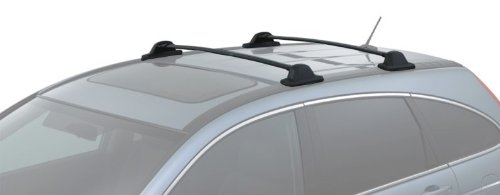
BrightLines Roof Rack Crossbars
BrightLines sells crossbars cut to match specific vehicle models, bolting directly to existing side rails. Aluminium construction keeps the bar respectable without premium pricing. Noise falls between square steel bars and full aerofoil designs, a fair tradeoff for a raised rail car.
Pros
- Costs far less than premium aerofoil systems
- Model specific fit skips adapter guesswork
- Locks come included on most listings
Cons
- Works only with raised factory side rails
- More wind noise than premium aerofoil bars

INNO Aero Base Rack
INNO built its following in Japan on tidy fitment for flush rail vehicles. Aero shaped bars keep noise reasonable, and stays sit close to the roofline for a low profile look. Fit kit availability runs narrower than Thule or Yakima, so confirm vehicle coverage before ordering.
Pros
- Low profile look on flush rail vehicles
- Aero bar keeps highway noise in check
- Priced below most premium competitors
Cons
- Fit kit availability narrower than major brands
- Fewer compatible third party accessories exist
How to choose
What Roof Type Does Your Car Actually Have? Four roof types cover nearly every car on sale. Raised side rails leave a gap underneath and accept clamp on towers easily. Flush rails sit tight against the roof and need a dedicated clamp shape. Fixed points hide mounting holes under small plastic covers. A bare roof has none of the above and relies on door frame clamps instead. Identifying yours first narrows the entire rack catalogue before comparing a single spec.
Why Bar Shape Changes Wind Noise So Much Square steel bars cost the least and generate the most noise, producing a low frequency drone that grows above highway speed. Round bars trim that drone only slightly. Aerofoil or wing shaped bars cut noise substantially because airflow stays attached to the surface instead of separating. Fuel consumption also improves slightly with that smoother airflow. Owners who leave a rack mounted year round consistently name the aerofoil upgrade as the change they valued most.
Dynamic Load Rating vs Static Load Rating Dynamic rating describes what a rack can carry while the vehicle moves, commonly between 130 and 175 pounds on consumer systems. Static rating applies only when the vehicle is parked, which is why rooftop tents need it instead. A parked rack can hold far more weight than one on the highway. Every vehicle also carries its own roof load limit listed in the owner’s manual. Compare both numbers and use the lower one as your real ceiling.
Matching Crossbars to Your Accessory Ecosystem A crossbar is only a mounting platform until accessories attach to it. Bike carriers, cargo boxes, kayak saddles and ski racks connect through a T slot channel or clamp directly around the bar. T slot mounting holds more securely but ties a buyer to one brand’s ecosystem long term. Owners who already own carriers should check slot compatibility before choosing new bars, since retrofit adapters add cost and sometimes weaken the fit.
How they stack up
| # | Model | Bar | Best for | Score | Price |
|---|---|---|---|---|---|
| 1 | Thule WingBar Evo | Aerofoil aluminium | Best overall | 9.4 | Check price |
| 2 | Yakima JetStream Crossbars | Aerofoil aluminium, low profile | Best for low clearance | 9.2 | Check price |
| 3 | Rhino-Rack Vortex Aero Crossbars | Aerofoil aluminium | Best for heavy loads | 9.0 | Check price |
| 4 | SportRack SR1002 Complete Roof Rack System | Complete system with mounts | Best value | 8.8 | Check price |
| 5 | Malone AirFlow2 Crossbars | Aerofoil aluminium | Best for kayaks and boards | 8.6 | Check price |
| 6 | BrightLines Roof Rack Crossbars | Vehicle specific, raised rails | Best budget crossbars | 8.3 | Check price |
| 7 | INNO Aero Base Rack | Aero aluminium | Best for flush rails | 8.0 | Check price |
Frequently asked questions
Will a roof rack fit my car?
Fit depends on your roof type rather than the brand you pick. Raised rails, flush rails, fixed points and bare roofs each need a specific kit or clamp set. Check the maker’s fit guide against your exact model year and body style, since roof design often changes between generations of the same nameplate.
How much wind noise should I expect from a roof rack?
Square bars produce a noticeable drone starting around 45 miles per hour that grows louder with speed. Aerofoil bars stay far quieter, and many owners report barely hearing them unloaded. Mounted carriers add extra noise regardless of bar shape, and a fairing helps mainly on square and round bar setups.
Does a roof rack hurt fuel economy?
Yes, though the penalty scales with what sits on top. Bare aerofoil crossbars barely register on fuel use. A loaded cargo box costs noticeably more because of its frontal area pushing through the air. Removing the rack when it sits empty recovers most of that difference.
How much weight can a roof rack carry?
Consumer crossbars typically carry between 130 and 175 pounds dynamically while driving. Your vehicle’s own roof limit can sit lower than that number, and the lower figure always wins. Add the rack’s own weight plus any carrier before totalling your cargo.
Can I leave a roof rack mounted all year?
Many owners do exactly that without issue. Aerofoil bars make permanent mounting far more comfortable to live with. Rinse the mounts periodically where roads get salted, recheck clamp torque every few months, and inspect the roof paint under the pads for trapped grit.
Do roof racks need locks?
Locks discourage opportunistic theft of the rack itself and whatever rides on it. Premium fit kits often include lock cores as standard, while budget systems sell them as an add on. Anyone parking in public lots or leaving carriers mounted should treat locks as essential.
Can any roof rack hold a rooftop tent?
No, tents need a high static load rating plus specific approval from the rack maker. The vehicle’s own roof rating has to clear the tent weight too. Heavy duty systems such as Rhino-Rack’s lineup handle this role more often than lighter consumer bars.
How hard is roof rack installation?
Most clamp on kits install in 30 to 60 minutes using the included tools and torque guide. Fixed point systems tend to go faster. Correct bar spacing and clamp torque matter most, and a recheck after the first drive catches hardware that settled under initial load.
What is the best roof rack for kayaks and paddleboards?
Malone AirFlow2 Crossbars target that use case directly, with mounting hardware built around paddlesport carriers. Aerofoil shaping keeps highway noise down while hauling a kayak or board. Rhino-Rack Vortex Aero Crossbars work too for owners who also carry heavier gear.
Aerofoil bars vs square bars: which is quieter?
Aerofoil bars win clearly on noise, since their wing shape keeps airflow attached instead of letting it separate and buffet. Square bars cost less but generate a persistent drone at highway speed. Anyone driving daily with the rack mounted should weigh that noise difference against the lower price.
The bottom line
Thule WingBar Evo remains the strongest all around pick thanks to its quiet profile and unmatched fit kit range. Yakima JetStream Crossbars suit tight garages and lower profile cars, while Rhino-Rack Vortex Aero Crossbars handle heavy loads and rooftop tents better than the rest. SportRack SR1002 Complete Roof Rack System stays the practical choice for a bare roof on a tight budget.
Tony Russo
Tony trained as an automotive technician and spent years in service and parts retail before moving into writing. He focuses on garage tools, car care products and accessories from a hands-on maintenance perspective.


