How to Choose Alloy Wheels That Fit and Last Longer
Method Race Wheels MR305 NV wins overall on high load ratings and a finish that survives road salt. Konig Hypergram uses flow forming to cut unsprung weight on street cars. Enkei RPF1 remains the lightweight track benchmark, its open spokes letting brake heat escape.
Method Race Wheels MR305 NV suits most drivers who want strength without ugly styling. Chasing lower unsprung weight instead? Konig Hypergram and Enkei RPF1 are the two names enthusiasts keep returning to, and both come in common sport compact fitments.
Wheel purchases go wrong when appearance leads. An offset that looks right in photos can foul a brake caliper, and a wheel styled for trucks may carry a passenger car load rating. Construction method changes impact behaviour too, since cast, flow formed and forged wheels fail in different ways. We compared published load ratings, construction, diameter and offset ranges, and owner reports about finish corrosion.
The top picks, ranked

Method Race Wheels MR305 NV
A plain mesh face hides high load ratings and a coating that resists salt and gravel far better than typical cast finishes. Fitments span truck and midsize SUV bolt patterns with offsets that work on stock suspension. Owners report it balances easily and absorbs trail abuse without cracking at the spoke roots.
Pros
- Load ratings suit towing and payload
- Finish holds up through salted winters
- Wide spread of fitments and offsets
Cons
- Heavier than flow formed alternatives
- Understated styling will not suit every build
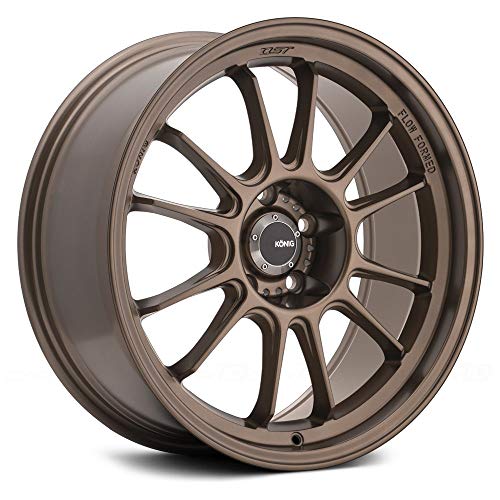
Konig Hypergram
Flow forming spins and stretches the barrel after casting, which aligns the grain structure and allows a thinner, lighter wall. Lower unsprung mass shows up as sharper turn in and quicker recovery after a bump. Sizes run 15 to 18 inch with aggressive offsets aimed at common sport compact fitments.
Pros
- Genuinely light for a mainstream wheel
- Aggressive offsets available off the shelf
- Popular fitments stay in stock
Cons
- Nothing offered above 18 inch
- Bronze finish shows brake dust quickly
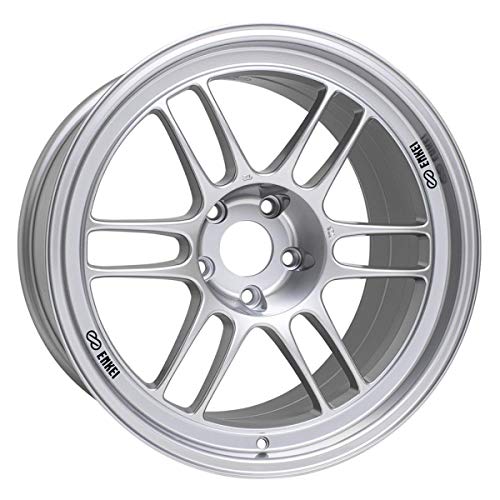
Enkei RPF1
Two decades as the default track wheel say plenty. Enkei’s MAT process combines casting with flow forming to reach high strength at low mass, and the open spoke face lets brake heat escape during repeated hard stops. Available from 15 to 18 inch, it is chosen for function and happens to look right on a lowered car.
Pros
- Excellent strength to weight ratio
- Open spokes vent brake heat
- Long proven durability on track
Cons
- Finish marks under harsh cleaning
- Popular sizes sell out for months

Fuel Off-Road D538 Maverick
A deep lip and multi spoke face make this one of the most recognisable truck wheels sold. Diameters run 17 to 24 inch, with deep negative offsets that push the wheel out under a lifted body. Owners report the two tone machined finish needs regular washing to stay sharp, especially behind the front brakes.
Pros
- Very wide fitment selection
- Aggressive offsets for lifted trucks
- Strong visual presence on a big body
Cons
- Heavy once past 20 inch
- Machined faces demand frequent cleaning

American Racing AR172 Baja
Polished five spoke styling suits classic trucks and older four wheel drives without pretending to be modern. Decades in production mean fitment data is documented across a huge list of vehicles. Sizes cover 15 to 17 inch and load ratings are sensible, though the polished face needs regular attention.
Pros
- Period correct look for older vehicles
- Fitment data well documented
- Reasonable weight for a cast wheel
Cons
- Polished finish needs regular upkeep
- Nothing offered above 17 inch

Vision Wheel 141 Legend 5
Gloss black across a plain five spoke, offered in a long list of common bolt patterns from 15 to 20 inch. Load ratings suit passenger cars and light trucks rather than heavy towing. Owners often buy these as a dedicated winter set, since a flat painted finish survives salt better than a machined face.
Pros
- Available in most common bolt patterns
- Plain finish wipes clean easily
- Sensible choice for a winter tyre set
Cons
- Heavier than flow formed rivals
- Styling is deliberately basic

Motegi MR143 CS6
Six clean spokes look tidy on sedans and crossovers without drawing attention. Sizes cover the mainstream 17 to 20 inch range, and offsets are chosen to work with factory suspension rather than requiring spacers. It is no performance wheel, but as a step up from worn factory alloys or steel rims it does the job.
Pros
- Conservative styling suits most sedans
- Offsets work with stock suspension
- Open spokes make cleaning quick
Cons
- Unremarkable weight for the size
- Few aggressive fitment options
Compared at a glance
| # | Model | Construction | Best for | Score | Price |
|---|---|---|---|---|---|
| 1 | Method Race Wheels MR305 NV | Cast with rigorous load testing | Best overall | 9.4 | Check price |
| 2 | Konig Hypergram | Flow formed | Best for lightweight street use | 9.2 | Check price |
| 3 | Enkei RPF1 | MAT flow formed | Best for track and performance | 9.0 | Check price |
| 4 | Fuel Off-Road D538 Maverick | Cast | Best for lifted trucks | 8.8 | Check price |
| 5 | American Racing AR172 Baja | Cast | Best value | 8.6 | Check price |
| 6 | Vision Wheel 141 Legend 5 | Cast | Best budget | 8.3 | Check price |
| 7 | Motegi MR143 CS6 | Cast | Best for daily drivers | 8.0 | Check price |
What matters most
Cast, flow formed or forged: what is the difference? Casting pours molten alloy into a mould, which is cheapest and needs more material to reach a given strength, so the wheel weighs more. Flow forming starts with a casting, then spins and stretches the barrel under heat, aligning the grain and allowing a thinner, stronger wall. Forging presses a solid billet into shape, giving the best strength to weight of all. Most road cars are well served by the middle option.
How do you get wheel fitment right? Three numbers have to line up. Bolt pattern must match exactly, with no adapters on a road car. Centre bore should match your hub, or be paired with hub centric rings so the hub carries the load rather than the studs. Offset sets how far in or out the wheel sits, and a wrong figure causes rubbing on suspension arms or the inner fender. Check caliper clearance separately, especially with upgraded brakes.
Why does load rating matter on trucks and SUVs? Every wheel carries a maximum load figure, and it needs to exceed your axle load including anything you tow or carry in the bed. Styling aimed at trucks does not guarantee a truck rating, which catches people out with large diameter show wheels. Method Race Wheels publishes load capacity prominently for that reason. For anyone towing, this single number outranks weight, finish and appearance combined.
Which wheel finish survives winter? Painted and powder coated surfaces cope best with road salt and hot brake dust. Machined and polished faces look excellent when new, then oxidise under a failing clear coat, producing cloudy patches that will not polish out. Cars on salted roads therefore age better on a plain painted wheel such as the Vision 141 Legend 5. Many owners keep a second simple set purely for winter tyres.
Good to know
Are alloy wheels better than steel wheels?
Alloys weigh less, shed brake heat faster and come in far more styles. Steel bends instead of cracking and costs less to replace, which keeps it popular for winter use on rough roads.
What does flow formed mean?
It is a step after casting where the barrel is spun and stretched under heat and pressure. Grain structure aligns, allowing a thinner, stronger, lighter barrel than casting alone, at less cost than forging.
How do I know what offset I need?
Start from your vehicle’s factory offset and stay near it unless you have checked clearance. Moving outward risks fender rub at full lock or under compression. Moving inward can foul suspension arms or brake calipers.
Do bigger wheels ride worse?
Generally yes. Larger diameters mean shorter sidewalls, which pass more road texture into the cabin and leave the rim exposed to pothole damage. A smaller diameter with a taller tyre often rides better without hurting handling.
Will lighter wheels make a real difference?
Cutting unsprung and rotating mass sharpens steering response and improves acceleration and braking recovery. The effect is most obvious on lighter cars and in stop start driving, which is why the Enkei RPF1 stays popular.
Do I need hub centric rings?
Yes, whenever the wheel bore is larger than your hub. Rings centre the wheel so the studs carry shear load instead of positioning the wheel. Without them, vibration at speed is a common complaint.
Can I fit truck wheels to a car?
Only where bolt pattern, offset and centre bore all match. Load rating will be more than adequate, though the extra mass hurts ride and handling and truck offsets rarely suit a passenger car.
How should alloy wheels be cleaned?
Use a pH neutral wheel cleaner and a soft brush, rinsing before brake dust bakes on. Avoid acidic products on machined or polished faces, since they attack the clear coat and cause permanent cloudy patches.
Cast vs forged wheels: is forging worth it?
For track use and heavy vehicles, forged strength and low weight justify the cost. For a road car, flow formed wheels such as the Konig Hypergram capture most of the benefit for far less.
Should I buy a second set of wheels for winter?
It makes sense in salted regions. A cheap painted set such as the Vision 141 Legend 5 protects your good wheels from corrosion, and swapping complete wheel and tyre assemblies takes minutes rather than a tyre shop visit.
The verdict
Method Race Wheels MR305 NV is the strongest all round choice, with the load ratings and finish durability daily driven trucks and SUVs need. Drivers focused on handling should take the Konig Hypergram for street use or the Enkei RPF1 for track days, since both cut real unsprung weight. Confirm bolt pattern, offset and load rating for your exact vehicle before ordering.
Tony Russo
Tony trained as an automotive technician and spent years in service and parts retail before moving into writing. He focuses on garage tools, car care products and accessories from a hands-on maintenance perspective.


