Reptile Food Options for Every Diet, From Insects to Greens
Repashy Superfoods Crested Gecko Meal Replacement Powder is the strongest overall pick for complete, easy-to-prepare nutrition. Pangea Fruit Mix Complete works better for picky geckos that refuse other powders. Zoo Med Natural Adult Bearded Dragon Food is the most convenient staple for dragons.
Most gecko keepers should start with Repashy Superfoods Crested Gecko MRP for complete nutrition. Pangea Fruit Mix Complete works as the fallback when a gecko turns picky. Zoo Med Natural Adult Bearded Dragon Food is the convenient staple once dragons enter the picture.
Reptile diets run far more species-specific than dog or cat food, and a product keeping a crested gecko thriving does nothing for a tortoise, so matching food to animal comes before comparing ratings. We compared current options on species suitability, calcium-to-phosphorus balance, ingredient transparency and what keepers report about acceptance, and any commercial diet here should still be paired with guidance from an exotics vet.
The shortlist, ranked
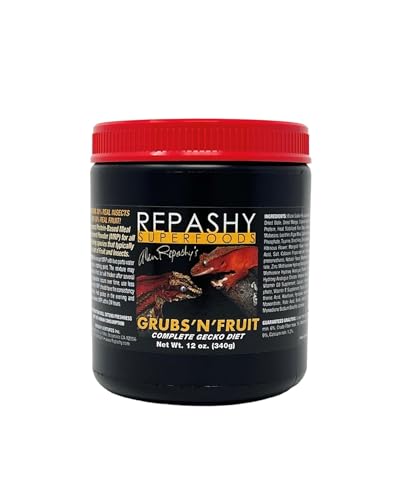
Repashy Superfoods Crested Gecko Meal Replacement Powder
Mixed with water into a smooth paste, this delivers genuinely complete nutrition for crested and other fruit-eating geckos, with calcium and vitamins already balanced so extra dusting isn’t required. Keepers report animals maintaining good weight and colour on it for years. Prepared food dries out fast, so daily replacement matters.
Pros
- Nutritionally complete without extra supplementation
- Long shelf life in powder form
- Widely used and well documented by keepers
Cons
- Must be mixed fresh and replaced daily
- Some individual geckos refuse certain flavours

Pangea Fruit Mix Complete Crested Gecko Diet
Fruit-forward formulas here tend to win over geckos that turn their noses up at other powders, making this the standard backup in most collections. It qualifies as a complete diet rather than a treat, so switching doesn’t compromise nutrition. Several flavour variants exist for rotating the menu.
Pros
- Very high acceptance among fussy geckos
- Complete nutrition rather than a supplement
- Flavour range allows variety without switching brands
Cons
- Prepared mix spoils quickly in warm rooms
- Higher cost per feed than basic powders
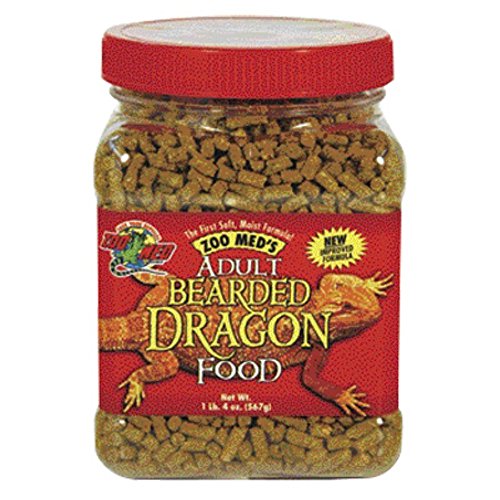
Zoo Med Natural Adult Bearded Dragon Food
A pelleted food formulated for the lower protein, higher fibre needs of adult bearded dragons, meant to sit alongside fresh greens and appropriate live insects rather than stand alone. Softening pellets in water improves acceptance considerably. This supplements a varied diet rather than replacing it.
Pros
- Convenient staple for busy weeks
- Formulated for adult rather than juvenile needs
- Softens easily for easier eating
Cons
- Not a complete substitute for greens and insects
- Dry pellets are often ignored until soaked

Mazuri Tortoise Diet
Zoos and experienced keepers rely on this high-fibre pelleted diet widely, designed to support the slow digestion and calcium needs of herbivorous tortoises. It complements grazing and fresh greens rather than replacing them entirely. Pellets soak readily into a soft mash for easier eating.
Pros
- Trusted formula used in professional collections
- High fibre supports normal tortoise digestion
- Soaks into an easily eaten mash
Cons
- Should not replace fresh grazing entirely
- Large bags can go stale before a single tortoise finishes them

Fluker’s Freeze Dried Crickets
Adding insect protein without maintaining a live colony becomes practical here, useful for topping pellet meals or tempting a reluctant insectivore. Freeze drying preserves nutrition reasonably well, though live prey still beats it for enrichment and hydration. Best used as part of a varied feeding routine rather than the sole protein source.
Pros
- No live insect keeping required
- Long shelf life in the cupboard
- Useful for encouraging reluctant feeders
Cons
- Less nutritious and hydrating than live prey
- No feeding response or enrichment value

Zoo Med Grassland Tortoise Food
Grasses and hay form the base here, built for species that graze dry habitats such as sulcata and leopard tortoises. As an affordable everyday base sitting alongside fresh weeds and greens, it holds up well. Grassland species should avoid fruit-heavy diets, and this formula correctly steers clear of that.
Pros
- Matches the natural diet of grazing species
- Affordable for regular feeding
- Avoids the sugars unsuitable for these tortoises
Cons
- Wrong choice for forest and fruit eating tortoises
- Still needs fresh greens alongside

Rep-Cal Adult Bearded Dragon Food
This straightforward pelleted dragon food adds calcium and vitamin D3 at a price that suits keepers feeding multiple animals. Acceptance varies by individual, and many dragons take it more readily mixed with chopped greens. Like all pellets here, it belongs in a varied diet rather than fed alone.
Pros
- Affordable for multiple animals
- Calcium and D3 already included
- Long shelf life when sealed
Cons
- Acceptance is inconsistent between individuals
- Needs mixing with greens for most dragons
Compared at a glance
| # | Model | Species | Best for | Score | Price |
|---|---|---|---|---|---|
| 1 | Repashy Superfoods Crested Gecko Meal Replacement Powder | Crested and fruit eating geckos | Best overall | 9.4 | Check price |
| 2 | Pangea Fruit Mix Complete Crested Gecko Diet | Crested and gargoyle geckos | Best for picky eaters | 9.2 | Check price |
| 3 | Zoo Med Natural Adult Bearded Dragon Food | Adult bearded dragons | Best for bearded dragons | 9.0 | Check price |
| 4 | Mazuri Tortoise Diet | Herbivorous tortoises | Best for tortoises | 8.8 | Check price |
| 5 | Fluker’s Freeze Dried Crickets | Freeze dried insects | Best protein topper | 8.6 | Check price |
| 6 | Zoo Med Grassland Tortoise Food | Grazing grassland tortoises | Best value | 8.3 | Check price |
| 7 | Rep-Cal Adult Bearded Dragon Food | Adult bearded dragons | Best budget | 8.0 | Check price |
What matters most
How do you match reptile food to species first? Reptile nutrition splits sharply between insectivores, herbivores, omnivores and frugivores, and feeding across those lines causes real harm over time. A grassland tortoise fed fruit-heavy food and a crested gecko fed dragon pellets are both being poorly served. Confirm your species’ natural diet first, then narrow to products formulated specifically for it.
Why do calcium and vitamin D3 need close attention? Metabolic bone disease ranks among the most common problems in captive reptiles, usually tracing back to insufficient calcium, an unbalanced calcium-to-phosphorus ratio, or inadequate UVB lighting. Some complete diets already include calcium, which can make additional dusting unnecessary or even excessive. Check the label rather than assuming, and confirm with an exotics vet.
What’s the difference between a complete diet and a supplement? A meal replacement powder is designed as the whole diet. A pellet food, a treat and a freeze-dried insect topper are each designed as part of one. Owners report problems when a supplement product gets used as a staple, so check whether the manufacturer describes the food as complete or complementary.
Why does freshness affect how well a reptile eats? Prepared gecko diets dry out within hours and get refused once crusted, while dry pellets often sit ignored until soaked into a softer texture. Buy pack sizes usable within a few months, store powders sealed and cool, and mix only what will be eaten. Small handling changes solve most refusal problems.
Good to know
Can one food cover every reptile in my collection?
No. Dietary needs differ dramatically between species, and a single product cannot serve a gecko, a bearded dragon and a tortoise together. Feed each species a diet formulated for it, and check with an exotics vet if you’re unsure what a particular animal needs.
Are commercial diets as good as live insects and fresh greens?
Good complete diets provide balanced nutrition and convenience, but live prey adds hydration and natural feeding behaviour that a bowl of paste can’t replicate. Most experienced keepers mix both, leaning on commercial food for consistency and live or fresh food for variety.
How often should I feed my reptile?
It varies enormously by species, age and temperature. Juveniles typically eat more often than adults, and many adult reptiles eat only a few times a week. Follow a species-specific care guide and confirm with a vet familiar with reptiles.
Do I still need to dust food with calcium?
It depends on the product. Complete meal replacement powders often include calcium already, while live insects almost always need dusting. Over-supplementing causes its own problems, so check the label and ask your vet before adding more.
Why is my gecko refusing its food?
Common causes include a mix drying out, an unfamiliar flavour, wrong digestion temperatures, shedding, or stress from a recent move. Persistent refusal or weight loss warrants a visit to an exotics vet rather than simply switching brands.
How should reptile food be stored?
Sealed, cool and dry, away from direct sunlight. Powders and pellets lose vitamin potency over time once opened, so a pack size finished within a few months beats a large tub sitting half-used for a year.
Can I feed fruit to a tortoise?
For grassland grazing species, generally not, since sugary fruit doesn’t suit their digestion. Some forest species do eat fruit in the wild. This is exactly the kind of question where species identification matters more than any general rule.
Are freeze dried insects a good substitute for live ones?
They’re convenient and shelf-stable, useful as part of a diet, but they lack the moisture and hunting behaviour live prey provides. Use them as a topper or backup rather than the sole protein source for an insectivore.
Repashy vs Pangea, which crested gecko diet is better?
Repashy offers broader flavour variety and a long track record among keepers. Pangea’s fruit-forward formulas win over pickier eaters more consistently. Both qualify as complete diets, so the choice often comes down to which one a specific gecko accepts.
What is the best reptile food for a beginner keeper?
A complete meal replacement powder like Repashy or Pangea for a pet gecko removes most of the guesswork, since calcium and vitamins are already balanced in. For a bearded dragon or tortoise, pair a species-appropriate pellet with fresh greens from day one.
Final word
Match the food to the species first: Repashy or Pangea for crested geckos, Zoo Med or Rep-Cal pellets alongside greens and insects for bearded dragons, and Mazuri or Zoo Med Grassland for tortoises. None of these should serve as the entire diet unless the manufacturer describes it as complete. An animal losing weight or refusing food consistently needs a conversation with an exotics vet, not a change of brand.
Olivia Hartley
Olivia spent several years working at an animal shelter and a pet-supply retailer before joining the editorial team. She researches pet gear with an emphasis on safety, comfort and the fine print that owners often miss.


