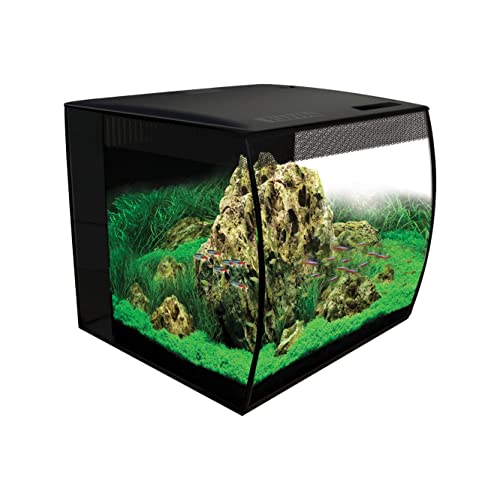
What Tools Actually Make Reptile Tank Cleaning Easier?
Zoo Med Wipe Out 1 tops this list because it is formulated specifically for terrariums and skips a lengthy rinse marathon. Fluker’s Super Scrub Brush handles baked-on waste that sprays alone cannot touch. Bissell Steam Shot 39N7A earns its place during a full teardown and sanitize.
Zoo Med Wipe Out 1 paired with Fluker’s Super Scrub Brush covers most everyday spot cleaning between them. Bissell’s Steam Shot 39N7A steps in for deep cleans between substrate changes, sanitizing without adding chemicals to rinse away.
Household products routinely leave residues or fumes that become a real problem inside a sealed glass box, which is why reptile enclosures are harder to clean than they first appear. Surfaces range from smooth glass to rough background foam to loose substrate, each demanding something different. We compared these seven on whether the formulation targets reptile habitats specifically, how much rinsing follows use, the reach and stiffness of scrubbing tools, and how fast each one clears waste from substrate, based on manufacturer instructions and what keepers consistently report.
Our top picks

Zoo Med Wipe Out 1 Terrarium Cleaner
Made specifically for terrariums, cages and reptile accessories rather than adapted from a kitchen spray, this is the bottle most keepers store next to the enclosure. Glass, plastic hides and water bowls come clean without the lingering perfume a household spray leaves behind. Label directions on contact time and rinsing matter here, so treat it as more than a wipe-and-walk product.
Pros
- Formulated for reptile habitats rather than adapted
- Works on decor and water bowls as well as glass
- No strong household fragrance left behind
Cons
- Still needs rinsing before animals return
- Bottle empties quickly on large enclosures

Fluker’s Super Scrub Brush with Organic Reptile Waste Cleaner
Pairing a stiff-bristled brush with a cleaner concentrate is what actually shifts dried waste off rough surfaces. The handle gives enough leverage to reach corners and background texture where a cloth just skates over the top. Keepers report it turns a stuck-on mess into a two-minute job instead of a soak-and-scrape session.
Pros
- Bristles stiff enough for dried waste
- Cleaner and tool in one purchase
- Handle reaches enclosure corners
Cons
- Too aggressive for soft acrylic panels
- Bristles pick up odour if not rinsed after use

Zilla Terrarium Cleaner
This spray works as a low-cost workhorse for daily spot cleaning, aimed at glass and decor in habitats where waste gets removed promptly. Fresh messes and water spots clear easily, and it costs little enough that rationing is unnecessary. Heavy build-up still needs the scrub brush and a longer contact time.
Pros
- Cheapest way to keep glass clear
- Ready to use, no dilution needed
- Good on fresh waste and water marks
Cons
- Struggles with dried on build up
- Trigger sprayer feels flimsy
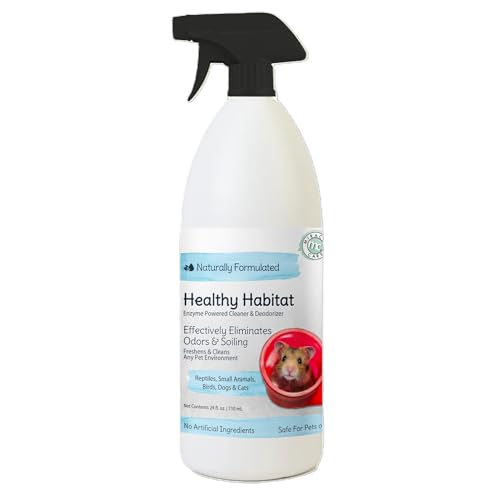
Natural Chemistry Healthy Habitat Cleaner and Deodorizer
Instead of masking smells, this enzyme formula targets the organic material causing them, which matters most in bioactive setups and enclosures with damp substrate. Regular use on decor and hides stays gentle enough not to cause irritation. Enzymes need contact time to work, so give it the dwell time listed on the label.
Pros
- Attacks odour sources rather than covering them
- Gentle enough for frequent use
- Useful in humid and bioactive enclosures
Cons
- Needs dwell time to work properly
- Slower than a straight disinfectant on visible mess
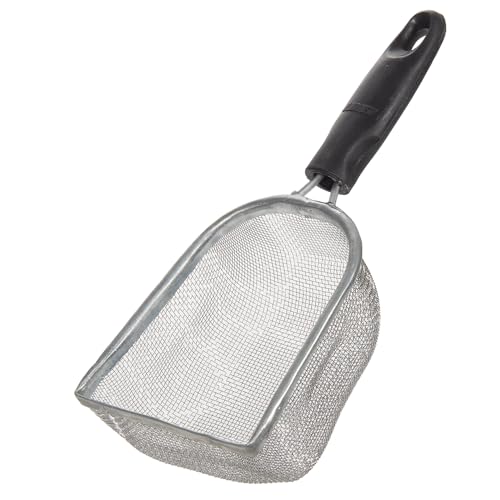
Zoo Med Reptile Sand Scooper
A sifting scoop turns daily spot cleaning on sand or other loose substrate into a thirty-second job, letting clean grains fall through while waste stays behind. Slot sizing lets fine sand pass through without clogging. This single-purpose tool is what keeps substrate from needing full replacement far more often than necessary.
Pros
- Makes daily spot cleaning quick
- Extends the life of loose substrate
- Slot size suits fine sand
Cons
- No use on solid or mat substrates
- Plastic can flex under heavy damp sand

Bissell Steam Shot 39N7A Handheld Steam Cleaner
During a full teardown, steam sanitizes glass, seams and hard decor without adding chemicals that then need rinsing away, which is why keepers reach for a handheld unit like this. The narrow nozzle gets into silicone corners where waste and shed skin collect. Use it only on an empty enclosure, and let everything cool and dry before the animal goes back.
Pros
- Sanitizes without chemical residue
- Nozzle reaches silicone seams and corners
- Attachments cover decor as well as glass
Cons
- Only for empty enclosures, never with animals present
- Small tank needs refilling during a big job

Chapin 1002 48-Ounce Hand Sprayer
Rinsing is the step most people rush, and a pump sprayer makes it easier by delivering steady pressure without the hand fatigue of a trigger bottle. Dedicating one sprayer to plain water for rinsing and another labelled for cleaner keeps the two from ever mixing. Its adjustable nozzle also doubles as a misting tool for humidity-dependent species.
Pros
- Steady pressure without hand fatigue
- Adjustable nozzle covers rinsing and misting
- Large enough to finish a rinse in one fill
Cons
- Needs pumping to build pressure
- Should be dedicated to one liquid only
The lineup, side by side
| # | Model | Type | Best for | Score | Price |
|---|---|---|---|---|---|
| 1 | Zoo Med Wipe Out 1 Terrarium Cleaner | Liquid cleaner and deodorizer | Best overall | 9.4 | Check price |
| 2 | Fluker’s Super Scrub Brush with Organic Reptile Waste Cleaner | Scrub brush with cleaner | Best value | 9.2 | Check price |
| 3 | Zilla Terrarium Cleaner | Ready to use spray cleaner | Best budget | 9.0 | Check price |
| 4 | Natural Chemistry Healthy Habitat Cleaner and Deodorizer | Enzyme cleaner and deodorizer | Best for odour control | 8.8 | Check price |
| 5 | Zoo Med Reptile Sand Scooper | Sifting scoop | Best for loose substrate | 8.6 | Check price |
| 6 | Bissell Steam Shot 39N7A Handheld Steam Cleaner | Handheld steam cleaner | Best for deep cleans | 8.3 | Check price |
| 7 | Chapin 1002 48-Ounce Hand Sprayer | 48 ounces | Best for rinsing | 8.0 | Check price |
Before you buy
Why shouldn’t you use household disinfectants on a reptile enclosure? Products containing pine oil, phenols or strong ammonia are widely flagged as unsuitable around reptiles, and even bleach needs heavy dilution, thorough rinsing and full drying before an animal returns. Reptile-specific cleaners exist because a sealed glass enclosure concentrates fumes in a way an open room never does. When in doubt, reach for a product labelled for terrariums and follow the contact time and rinse instructions on the bottle instead of improvising.
What’s the difference between daily spot cleaning and a full teardown? Spot cleaning means a scoop, a spray and a wipe, done daily to stop odour and bacteria from ever getting established. A teardown means moving the animal to a secure temporary container, removing decor and substrate, and cleaning every surface including silicone seams. Most keepers run a teardown monthly for simple setups, and far less often for established bioactive enclosures where the clean-up crew does much of the work.
Which cleaning tools suit which substrate? A sifting scoop transforms sand and loose particulate cleanup and does nothing useful on reptile carpet or paper towel. Bioactive setups need the lightest touch of all, since aggressive cleaning kills the springtails and isopods doing the work for you. Look at what covers your enclosure floor first, then buy tools that suit it, rather than assembling a kit that half applies.
How do you keep cleaning tools separate from food prep areas? Reptiles can carry salmonella, so public health guidance consistently recommends keeping enclosure equipment, water bowls and cleaning tools away from food preparation areas, followed by thorough handwashing. Dedicating a bucket, a set of brushes and a sprayer to the enclosure, stored separately from kitchen items, removes most of the cross-contamination risk that comes with keeping reptiles at home.
Good to know
How often should I clean a reptile enclosure?
Spot clean waste daily and change water daily, wiping glass as needed in between. A full clean with substrate replacement is commonly done monthly for standard setups, though bioactive enclosures go much longer since the invertebrate clean-up crew processes waste continuously.
Can I use vinegar to clean a terrarium?
Diluted vinegar works well on water stains and mineral deposits on glass, and it rinses away cleanly. It is not a disinfectant, so it does not replace a proper terrarium cleaner for waste. Rinse thoroughly and air the enclosure before the animal returns, since the smell is strong in an enclosed space.
Is bleach safe for reptile enclosures?
Many keepers use heavily diluted bleach for disinfecting hard surfaces, but it must be rinsed thoroughly and the enclosure fully dried and aired before an animal goes back in. Never mix it with other cleaners, and never use it with the animal present. A terrarium-specific cleaner remains the lower-risk everyday choice.
What is the fastest way to clean sand substrate?
A sifting scoop used daily. Waste stays in the scoop while clean sand falls through, keeping the substrate usable far longer than waiting until it looks obviously soiled. Once it becomes routine, it takes under a minute.
Do I need to remove my reptile before cleaning?
For spot cleaning, no, though many keepers move nervous animals to reduce stress. Any deep clean involving sprays, steam or scrubbing requires it. Have a secure, ventilated temporary container ready before starting so the animal isn’t left waiting.
Are enzyme cleaners better than regular terrarium sprays?
They outperform sprays on odour by breaking down the organic material producing it, but they need contact time and work slower on visible mess. Many keepers use a standard spray for the wipe-down and an enzyme cleaner where smell keeps returning.
Can I use a steam cleaner on a glass terrarium?
Only on an empty enclosure, with care taken around silicone seams and any acrylic panels. Work in short passes rather than holding the nozzle in one spot, and let everything cool and dry completely before rebuilding the setup.
How do I stop the enclosure smelling between deep cleans?
Odour almost always traces back to waste left in substrate, a damp spot that never dries, or a water bowl that isn’t changed daily. Fix those three things first. An enzyme cleaner on the affected area helps, but won’t keep up if the underlying cause stays unresolved.
Zoo Med Wipe Out vs Zilla Terrarium Cleaner, what’s the real difference?
Zoo Med Wipe Out targets a broader range of surfaces including decor and water bowls with a lower residual fragrance. Zilla’s spray costs less and handles daily glass and fresh waste well but falls behind on dried, stuck-on build-up.
What tools do I actually need for bioactive enclosure cleaning?
Very few. A soft spray bottle for misting, occasional spot removal of visible waste by hand, and patience while the clean-up crew of springtails and isopods handles the rest. Aggressive scrubbing or strong cleaners can wipe out that crew entirely.
The verdict
Zoo Med Wipe Out 1 and the Fluker’s Super Scrub Brush cover the vast majority of routine enclosure cleaning between them, at low ongoing cost. Add a sifting scoop for animals kept on sand, and keep the Bissell Steam Shot 39N7A on hand for teardown days when the enclosure needs sanitizing without leaving anything behind to rinse.
Olivia Hartley
Olivia spent several years working at an animal shelter and a pet-supply retailer before joining the editorial team. She researches pet gear with an emphasis on safety, comfort and the fine print that owners often miss.