6 Self Cleaning Litter Boxes Cat Owners Trust
Litter-Robot 4 leads on waste capacity, sensor accuracy and quiet cycles for homes with several cats. PETKIT PuraMax is the strongest mid range alternative with solid app monitoring. PetSafe ScoopFree Ultra stays the simplest low maintenance option for a single cat household.
Litter-Robot 4 takes the top spot here, since its waste drawer and weight sensing keep working when three or more cats share one box. PETKIT PuraMax covers most of the same ground for less. PetSafe ScoopFree Ultra keeps things simple when only one cat uses the box.
Automatic boxes fail in specific ways: drawers that fill within two days, globes too narrow for a large cat to turn in, and sensors that miss a light kitten mid cycle. We compared published globe dimensions, drawer capacity, sensor type, litter compatibility and rated cat weight ranges. Owner reports about odour control, cycle noise and how often each unit needs a full strip down carried real weight in the ranking.
What to look for
How many cats can an automatic litter box handle Waste capacity decides daily hassle more than any other spec. A drawer sized for one cat needs emptying every couple of days once three cats use it, which erases most of the convenience. Multiply cat count by typical daily visits, then compare that figure against the stated drawer or bin capacity rather than trusting a multi cat label alone.
What size entry and interior does your cat need Cats need room to turn around and dig, and a drum sized for an average cat can cramp a large breed. Compare stated interior dimensions against your current open tray before buying. Refusal to use a new automatic box usually traces back to size or enclosure, not the cleaning mechanism itself, according to owner reports.
Which litter type does each automatic box require Most automatic boxes require clumping clay to sift properly, while crystal tray systems lock owners into ongoing replacements. Neither choice is wrong, but each carries a different long term cost and daily routine. Switching litter type later can unsettle a cat, so settle on the system before buying the box.
Do safety sensors matter for kittens and older cats Weight only sensors can miss a very light kitten, which is why better units combine weight with infrared or laser detection. Households with kittens, an elderly cat that lingers, or a cat that likes sitting in the box should treat dual sensing as a requirement. Confirm the unit halts and reverses on detection before relying on it.
The best picks, ranked

Litter-Robot 4
A globe design sifts clumping litter into a large sealed drawer, and weight plus laser sensing catches a cat mid cycle more reliably than most rivals. Three cats can share this unit between drawer changes, where smaller units need daily attention. Its app tracks weight and visits per cat, which flags health changes early.
Pros
- Drawer capacity suits three or more cats
- Sensor system outperforms rivals in this group
- App logs weight and visits per cat
Cons
- Costs noticeably more than every other option
- Globe entry can intimidate very timid cats
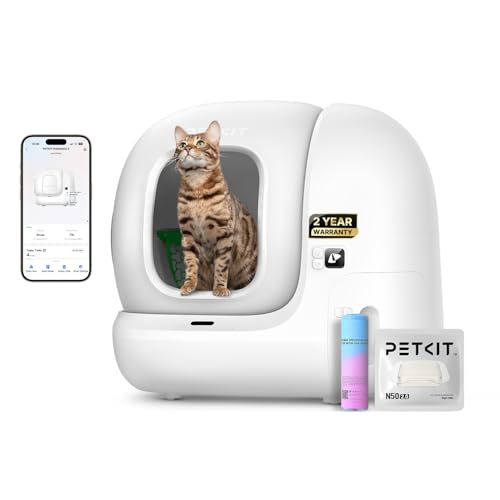
PETKIT PuraMax Self-Cleaning Cat Litter Box
A large capacity drum pairs infrared and weight sensing with a deodoriser bay that keeps the waste bin manageable. Its app logs visit duration and lets owners set cleaning delays so a nervous cat is not startled. Interior space comfortably suits larger breeds, based on the listed specifications.
Pros
- Roomy drum suits larger breeds
- Deodoriser bay noticeably helps odour control
- Cleaning delay adjusts for skittish cats
Cons
- App pairing can be fiddly at first setup
- Bin fills faster than Litter-Robot with three cats
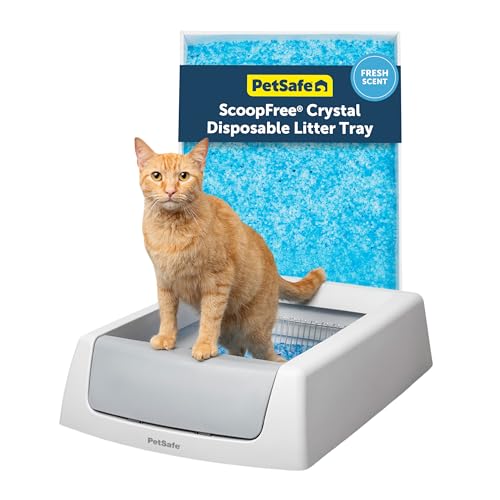
PetSafe ScoopFree Ultra Self-Cleaning Litter Box
Disposable crystal litter trays replace clumping litter here, so maintenance means sliding out a covered tray rather than emptying a drawer. Crystal litter absorbs liquid and dries solids, keeping odour low without a filter. Ongoing tray costs are the trade, and the design favors one cat over several.
Pros
- Skips drawer scooping and bag changes entirely
- Crystal litter controls odour without a filter
- Mechanism stays simple with little to jam
Cons
- Recurring tray replacement adds up over time
- Not built for three or more cats

Casa Leo Leo’s Loo Too
A globe unit adds a UV sanitising step and a carbon filtered waste drawer, aimed at owners who keep the box in a living space. Its cycle runs quietly next to older automatic boxes. Wide entry design wins over cats that refused enclosed drum shapes, according to owner reports.
Pros
- Quiet enough for a living room setting
- Wide entry suits hesitant cats
- Carbon filter plus UV step aids odour control
Cons
- Drawer holds less than the Litter-Robot 4
- Globe still needs occasional hand cleaning

Neakasa M1 Self-Cleaning Cat Litter Box
An open top tilting design replaces the enclosed drum, making this the easiest style for cats that refuse a hooded box. Stainless steel interior wipes clean and resists odour better than plastic. Homes converting a nervous cat from a traditional open tray often start here.
Pros
- Open design wins over drum-averse cats
- Stainless interior resists absorbed odour
- Wipes down easily between deep cleans
Cons
- Open top means less odour containment
- Litter tracks more than enclosed models

CATLINK Self-Cleaning Cat Litter Box
Interior drum space ranks among the roomiest here, which matters for Maine Coons and other large breeds that cannot turn comfortably in standard units. Weight sensing and app scheduling round out the feature set. A correspondingly large footprint means measuring the intended corner before buying.
Pros
- Genuinely fits large breed cats
- App scheduling avoids overnight cycles
- Base stays sturdy and stable
Cons
- Large footprint needs a dedicated corner
- Weighs more to move for deep cleaning

LitterMaid Multi-Cat Self-Cleaning Litter Box
A rake sweeps clumps into a sealed receptacle after each visit, the oldest mechanism in this group. It offers the lowest cost route into automatic cleaning and works with standard clumping litter. The rake needs regular cleaning to keep sweeping cleanly, which means more attention than drum units, according to owner reports.
Pros
- Lowest cost automatic option here
- Works with ordinary clumping litter
- Low profile entry suits older cats
Cons
- Rake needs frequent manual cleaning
- Cycle runs louder than modern drum designs
Side by side
| # | Model | Litter type | Best for | Score | Price |
|---|---|---|---|---|---|
| 1 | Litter-Robot 4 | Clumping clay | Best overall | 9.4 | Check price |
| 2 | PETKIT PuraMax Self-Cleaning Cat Litter Box | Clumping clay | Best value | 9.2 | Check price |
| 3 | PetSafe ScoopFree Ultra Self-Cleaning Litter Box | Crystal litter trays | Best for single cats | 9.0 | Check price |
| 4 | Casa Leo Leo’s Loo Too | Clumping clay | Best for odour control | 8.8 | Check price |
| 5 | Neakasa M1 Self-Cleaning Cat Litter Box | Clumping clay | Best open design | 8.6 | Check price |
| 6 | CATLINK Self-Cleaning Cat Litter Box | Clumping clay | Best for large cats | 8.3 | Check price |
| 7 | LitterMaid Multi-Cat Self-Cleaning Litter Box | Clumping clay | Best budget | 8.0 | Check price |
Questions worth asking
How many cats can one automatic litter box handle?
Most drum units cope well with two. Three or more works only with the largest waste drawers, and many households still keep a second box available. Vets generally suggest one box per cat plus one, and automation does not change that guidance.
Are self cleaning litter boxes safe for kittens?
Look for models combining weight with infrared or laser detection, since weight only systems may miss a very small kitten. Many manufacturers also recommend waiting until a kitten reaches a stated minimum weight before switching.
Do self cleaning litter boxes actually reduce odour?
Yes, mainly because waste gets removed within minutes and sealed rather than sitting in open litter. Carbon filters and sealed drawers help further, though no unit removes the need to empty the waste container regularly.
Can I use my existing litter in an automatic box?
Only if it clumps firmly. Non clumping clay and most natural litters break apart in a sifting mechanism and cause jams. Crystal tray systems use their own proprietary trays entirely.
How loud is a self cleaning litter box cycle?
Modern drum units run at a low hum for a minute or two. Older rake designs run noticeably louder. Boxes placed near a bedroom benefit from app scheduling so cycles skip overnight hours.
What if my cat refuses to use the new box?
Place the new unit beside the old tray with the power off, keep the familiar litter, and let the cat use it unpowered for a week before enabling cycles. Sudden swaps are the most common reason a cat rejects the box.
How often do self cleaning litter boxes need manual cleaning?
Plan on emptying the waste container every few days and doing a full strip down and wash roughly monthly. Automatic boxes cut down scooping, they do not eliminate cleaning.
Do automatic litter boxes work during a power cut?
No. Most stop mid routine and hold position until power returns. Keep a simple open tray available as backup, especially where outages happen often.
The bottom line
Litter-Robot 4 remains the most capable automatic box for households with several cats, thanks to its drawer capacity and dual sensor reliability. PETKIT PuraMax delivers much of that experience for less. Single cat households that want the least fuss still do best with the PetSafe ScoopFree Ultra.
Olivia Hartley
Olivia spent several years working at an animal shelter and a pet-supply retailer before joining the editorial team. She researches pet gear with an emphasis on safety, comfort and the fine print that owners often miss.
