Off-Road Recovery Accessories Worth Keeping in the Truck
The Therabody Theragun Prime is the top recovery accessory for its deep amplitude and quiet motor. The TriggerPoint GRID foam roller is the most useful low cost option, while RENPHO leg compression boots suit runners and cyclists with heavy legs.
One recovery accessory worth buying outright is the Therabody Theragun Prime, since its amplitude reaches into larger muscle groups that shallower devices miss. Daily use favors the cheaper TriggerPoint GRID foam roller, and tired legs after long efforts respond well to RENPHO compression boots. Consistency matters more than which device you pick.
Overlapping claims crowd this category, and amplitude, pressure control, and whether you can reach an area alone separate the useful products from the rest. We compared percussion depth, stall force, pressure ranges, battery life, noise, and coverage, and weighed what owners report about long term use rather than first week enthusiasm.
The best picks, ranked
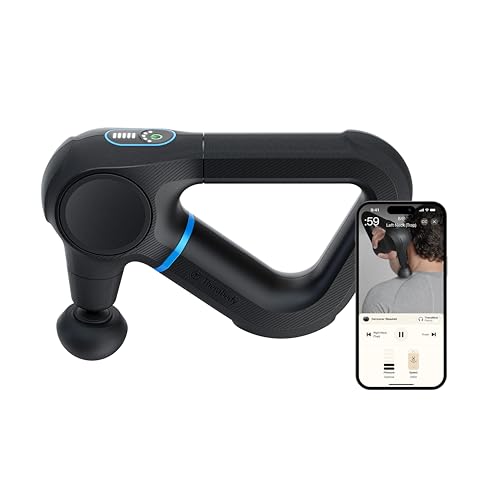
Therabody Theragun Prime
Amplitude, meaning how far the head travels, is what lets this device reach into larger muscles rather than buzzing on the surface. A quieter motor than earlier generations keeps that depth, and a triangular handle reaches the back without contortion. Owners report the app guided routines turn out more useful than expected.
Pros
- Deep amplitude reaches large muscle groups
- Triangular handle reaches your own back
- Much quieter than earlier Theragun models
Cons
- Heavier than compact massage guns
- Premium price in a crowded market

Hyperice Hypervolt 2
A pressure sensor and genuinely quiet motor make this the massage gun to use in a shared room or during a video call without anyone noticing. It weighs less than the Theragun, which eases the arm during longer sessions. Amplitude runs shallower, so it suits surface tension more than deep glute or quad work.
Pros
- Very quiet in use
- Light enough for long sessions
- Long battery life between charges
Cons
- Shallower amplitude than the Theragun
- Straight handle is harder to angle onto your own back

TriggerPoint GRID Foam Roller
No charging and a ten second pickup time make the GRID the recovery tool people actually reach for most often. Its hollow core keeps shape under body weight where cheap solid foam compresses flat within months. A varied surface pattern gives different pressure zones for broad and focused work in one roller.
Pros
- Holds its shape far longer than plain foam
- No charging or maintenance at all
- Multiple pressure zones on one roller
Cons
- Requires floor space and getting down to use
- Hard to apply to your own hamstrings effectively

RENPHO Leg Massager with Heat
Sequential air compression inflates the sleeves from ankle upward, the most passive recovery method here since you simply sit while it works. Heat adds comfort after cold weather sessions. Owners report these stay in use months after purchase precisely because they require no effort at all.
Pros
- Completely passive to use
- Covers the whole leg in one session
- Heat setting suits cold weather recovery
Cons
- Bulky to store between uses
- Mains powered, so not portable

Chirp Wheel Plus
A standard foam roller flattens the spine, whereas this wheel has a central channel that lets vertebrae pass through while padding presses the muscle on either side. Upper back work becomes far more comfortable as a result. Smaller diameters add more intense pressure, larger ones give a gentler stretch.
Pros
- Spinal channel avoids pressing on vertebrae
- Opens the chest and upper back well
- Size options let you pick intensity
Cons
- Limited to back and shoulder work
- Takes balance and practice at first
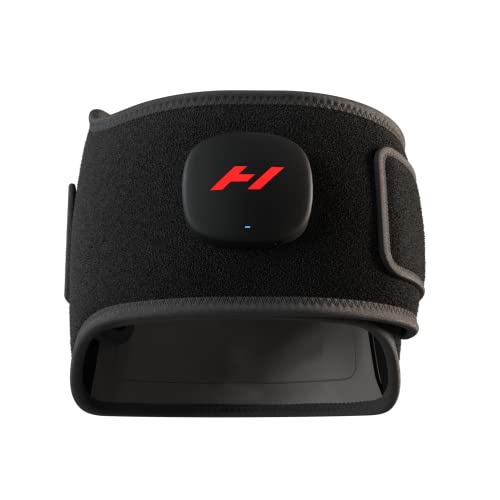
Hyperice Venom 2 Back
Heat and vibration combine in a wrap around the lower back, working while you sit rather than demanding active effort. Being cordless means you can move around while wearing it. Based on specifications, heat and vibration levels adjust independently rather than as a single combined setting.
Pros
- Completely hands free while worn
- Cordless so you can move around
- Heat and vibration adjust separately
Cons
- Covers only one body area
- Expensive for a single purpose device
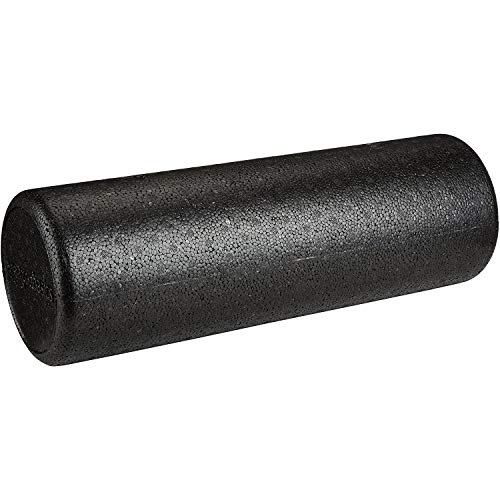
Amazon Basics High Density Round Foam Roller
A plain high density foam roller does most of what an expensive one does at a fraction of the outlay, and its smoother surface is often easier for beginners than an aggressive textured one. Heavy use will compress it over time. As a first recovery purchase it is hard to argue against.
Pros
- Very low cost entry point
- Smooth surface suits beginners
- Doubles as a stability and stretching tool
Cons
- Compresses and softens over time
- No pressure variation across the surface
Side by side
| # | Model | Amplitude | Best for | Score | Price |
|---|---|---|---|---|---|
| 1 | Therabody Theragun Prime | 16mm percussion depth | Best overall | 9.4 | Check price |
| 2 | Hyperice Hypervolt 2 | Lightweight straight handle | Best for quiet use | 9.2 | Check price |
| 3 | TriggerPoint GRID Foam Roller | Hollow core with EVA foam surface | Best value for daily use | 9.0 | Check price |
| 4 | RENPHO Leg Massager with Heat | Sequential air compression sleeves | Best for tired legs | 8.8 | Check price |
| 5 | Chirp Wheel Plus | Wheel with central spinal channel | Best for the back | 8.6 | Check price |
| 6 | Hyperice Venom 2 Back | Heated vibration wrap | Best hands free heat and vibration | 8.3 | Check price |
| 7 | Amazon Basics High Density Round Foam Roller | High density moulded foam | Best budget | 8.0 | Check price |
Before you buy
What recovery accessories realistically do These accessories mostly help with perceived soreness, short term range of motion, and how relaxed you feel afterward. Sleep, food, and sensible training load are what actually drive recovery, and no device replaces them. Used with that expectation, they are worthwhile, since feeling looser and moving more comfortably the next day is a real benefit even without a faster repair timeline.
Massage guns: amplitude and stall force explained Amplitude is how far the head travels per stroke, and it separates a device that reaches a glute or quad from one that vibrates on the surface. Around 16mm counts as genuinely deep, while 10mm and under suits smaller or more sensitive areas. Stall force describes how much pressure the motor tolerates before stopping, which matters if you press hard. Speed settings get the most attention in listings but matter least.
Rollers and wheels for different body areas A standard foam roller covers quads, calves, glutes, and lats well, with its main limit being the upper back, where it presses directly on the spine. A wheel with a central channel solves that specific problem. Density matters more than shape for most people, since a roller too soft to apply pressure helps as little as one so aggressive you avoid using it.
Passive tools you will actually keep using Recovery equipment has a high abandonment rate, and effort is almost always the reason, not effectiveness. A device that needs floor space, a routine, and ten minutes of active work competes badly with an evening on the sofa. Passive tools such as compression boots and heated wraps tend to survive longer in real use, so weigh convenience heavily if you know your own habits.
Common questions
Do massage guns actually help recovery?
Research generally supports short term improvements in perceived soreness and range of motion. They do not appear to change the underlying repair timeline, so treat them as a comfort and mobility tool rather than a shortcut.
How long should I use a massage gun for each muscle?
Most manufacturers suggest one to two minutes per muscle group, and no more than about fifteen minutes total. Longer sessions on one spot risk irritating the tissue rather than helping it.
Should I foam roll before or after training?
Both work for different reasons. Brief rolling before a session can improve range of motion for the warm up, while longer rolling afterward is generally used for comfort. Neither replaces an actual warm up.
Are compression boots worth the money for runners?
People doing high volume running or cycling often find them the accessory they keep using, since they need no effort. For occasional training the benefit is harder to justify against cost and storage space.
Can I use a massage gun on my neck or lower back?
Avoid the front and sides of the neck, and press gently on bony areas. Muscle tissue either side of the spine is generally fine, but direct percussion on the spine, joints, or injuries should be avoided. Check with a professional if you have an existing condition.
What foam roller density should a beginner choose?
Beginners do better with softer, smooth rollers, since aggressive textured versions often get abandoned as too painful. Progress to firmer or textured options once rolling feels comfortable and routine.
Does heat or cold work better for muscle recovery?
Heat is generally more comfortable for stiffness and tension, while cold is usually used for acute swelling. For everyday training soreness, most people find heat and gentle movement more useful than ice.
How often should I use recovery tools like a roller or massage gun?
Daily is fine for rollers and light percussion. Comfort is the practical limit rather than a set schedule, and consistent short sessions do far more than an occasional long one.
Massage gun vs foam roller, which should I buy first?
A foam roller costs less, needs no charging, and covers most large muscle groups well. A massage gun reaches deeper and works faster per muscle, which suits people willing to pay more for convenience and depth.
Our take
Reaching deep enough to matter on large muscle groups while staying quiet enough to use anywhere makes the Therabody Theragun Prime the recovery accessory with the widest usefulness. Pair it with the TriggerPoint GRID foam roller, which costs little and gets picked up far more often than any powered device. When legs are the problem after long runs or rides, RENPHO compression boots are the one accessory here that asks for no effort at all.
Derek Holt
Derek has a background coaching recreational and amateur athletes and has worked the sales floor at specialty fitness retailers. He focuses on equipment durability, ergonomics and realistic use cases rather than marketing claims.