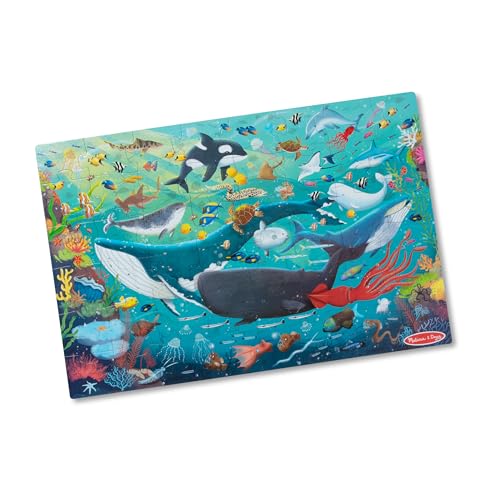
Puzzle Starter Kit Essentials: Boards, Trays, Savers
Jumbl Puzzle Board with 6 Drawers anchors most starter kits, holding 1,500 pieces on felt with six sorting drawers below. Ravensburger Roll Your Puzzle Up clears a dining table for less and reaches 3,000 pieces. MasterPieces Puzzle Presto sheets preserve a finished puzzle without liquid glue.
Jumbl Puzzle Board with 6 Drawers changes a puzzling setup more than any other single buy. Felt holds 1,500 pieces while six drawers keep sorted colours off the table. Loaded weight is the drawback, since shifting it wants two hands and a clear path. Homes without shelf space should start with the Ravensburger roll up mat instead.
Starter kit means different things on different listings, which is how buyers end up with gaps. Three jobs matter: a stable surface, a sorting method, and a way to store or preserve the picture. We compared stated piece capacities, surface materials, tray and drawer counts and published dimensions. Owner feedback on board warping, felt shedding and pieces shifting inside rolled mats settled the order.
Our top picks

Jumbl Puzzle Board with 6 Drawers
Felt grips pieces firmly enough that a small bump causes no landslide. Six drawers pull out around the frame, enough for edges, sky and four colour groups. Capacity stops at 1,500 pieces, and the fitted cover lets the family eat dinner without dismantling a session.
Pros
- Six drawers hold sorted pieces off the table
- Felt top stops pieces sliding when nudged
- Cover shields work in progress from dust and pets
Cons
- Loaded board is heavy to carry alone
- 1,500 piece ceiling rules out 2,000 puzzles

Becko Wooden Puzzle Board with Cover
Becko drops the drawers and supplies stackable sorting trays that double as board lids. Fewer joints mean fewer places for plywood to warp across a humid summer. Puzzlers happy to sort into trays on a side table save both weight and outlay by going this route.
Pros
- Fewer moving parts to warp or jam
- Trays stack flat and cap the board
- Lighter to lift than a drawer board
Cons
- Trays occupy table space beside the board
- No cutout handles for carrying it
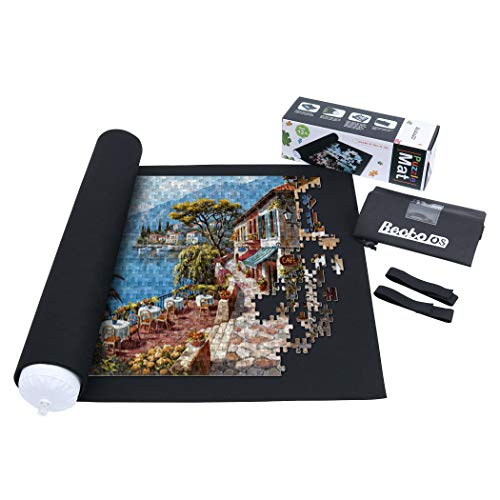
Ravensburger Roll Your Puzzle Up
Felt mat plus an inflatable tube handles 3,000 pieces, the highest capacity here. Pieces cling to the nap, then two straps hold the roll shut. Rolled up it stands in a cupboard corner, which no rigid board can manage.
Pros
- 3,000 piece capacity leads this group
- Dining table clears in about a minute
- Rolled tube stands in a cupboard corner
Cons
- A few pieces shift during rolling
- Soft surface flexes when pressing pieces

Lavievert Jigsaw Puzzle Roll Up Mat
Same roll up principle at a lower outlay, using a foam core tube and elastic bands rather than an inflatable one. Capacity lands near 1,500 pieces depending on piece size. A drawstring bag keeps the roll from unspooling in a closet.
Pros
- Lowest outlay way to clear a shared table
- Drawstring bag contains the rolled mat
- Light enough to move between rooms
Cons
- Mat creases if rolled too tightly
- Foam tube flexes more than an inflatable one

Bits and Pieces Puzzle Sorting Trays
Sorting eats most of a puzzle session, and shallow trays cut that time more than any board feature. Six trays stack when full, so the table gives up the footprint of one. Raised lips keep pieces aboard when a tray slides across to another player.
Pros
- Stacking frees space on a small table
- Pairs with any board or roll up mat
- Nests flat when empty for storage
Cons
- Adds no work surface of its own
- Plastic scuffs after repeated stacking

MasterPieces Puzzle Presto Peel and Stick Puzzle Saver
Adhesive sheets replace brush on glue, so nothing drips and nothing dries. Peel the backing, lay a sheet across the puzzle back and press outward from one edge. Print keeps its original matte finish, because the adhesive never touches the face.
Pros
- Framing can start the same evening
- Puzzle face stays matte rather than glossy
- No brush, tray or cleanup afterwards
Cons
- Single use, so each puzzle needs new sheets
- A crooked sheet cannot be repositioned
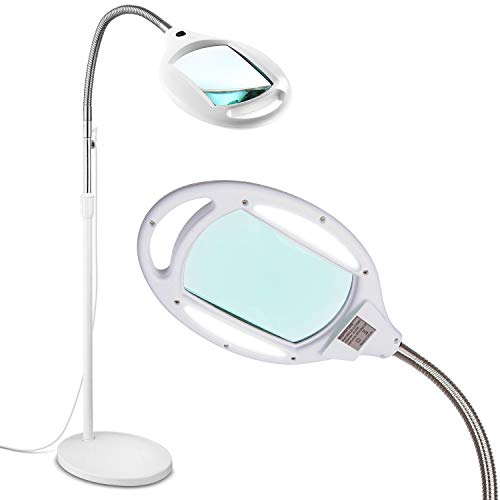
Brightech LightView Pro LED Magnifying Floor Lamp
Evening sessions stall when every sky piece reads the same grey. A glass lens sits inside a daylight balanced LED ring, so magnification and light arrive together. Gooseneck arm swings over the board from a floor base, leaving the tabletop free for trays.
Pros
- Lens and light adjust as one unit
- Daylight LEDs separate near identical colours
- Floor base keeps the tabletop clear
Cons
- Base claims floor space beside the chair
- Gooseneck sags over months of use
Side by side
| # | Model | Capacity | Best for | Score | Price |
|---|---|---|---|---|---|
| 1 | Jumbl Puzzle Board with 6 Drawers | Up to 1,500 pieces | Best overall | 9.4 | Check price |
| 2 | Becko Wooden Puzzle Board with Cover | Up to 1,000 or 1,500 pieces by size | Best value board | 9.2 | Check price |
| 3 | Ravensburger Roll Your Puzzle Up | Up to 3,000 pieces | Best for saving table space | 9.0 | Check price |
| 4 | Lavievert Jigsaw Puzzle Roll Up Mat | Around 1,500 pieces | Best budget | 8.8 | Check price |
| 5 | Bits and Pieces Puzzle Sorting Trays | Set of six trays | Best for sorting pieces | 8.5 | Check price |
| 6 | MasterPieces Puzzle Presto Peel and Stick Puzzle Saver | Adhesive sheets, no liquid glue | Best for framing a finished puzzle | 8.3 | Check price |
| 7 | Brightech LightView Pro LED Magnifying Floor Lamp | Daylight balanced LED ring | Best for eye strain and dark rooms | 8.0 | Check price |
How to pick the right one
What a puzzle starter kit actually needs Three jobs cover a starter kit. A felt surface stops pieces sliding and lets you move unfinished work. Sorting trays turn a scattered pile into colour and edge groups, which is where assembly time is really won. Last comes the finish: a saver kit decides whether the picture hangs on a wall or goes back in the box. Buy the surface first, then trays, and a saver only if framing is the plan.
Puzzle board vs roll up mat Rigid boards give something firm to press pieces into, and drawers keep sorted groups contained. Mats win on storage, since a rolled tube stands where a board needs a whole shelf. Expect a handful of pieces to shift while rolling, so unroll slowly on a flat surface. Anyone with a dedicated puzzle table can skip mats entirely and put the money into trays and light.
Sorting systems and table size Match capacity to the puzzles you actually buy. A 1,000 piece puzzle needs roughly 27 by 20 inches assembled, while 1,500 pieces wants closer to 32 by 24. Shallow trays beat deep bowls, since piled pieces hide whatever sits underneath. Stacking matters most on a 36 inch dining table, where six open bowls would claim the room the puzzle needs.
How to glue and frame a finished puzzle Peel and stick sheets give the tidiest finish, with no drying time and no shine on the face. Liquid conserver still suits oversized puzzles where sheet coverage gets fiddly. Slide a stiff backing board behind a saved puzzle before framing, otherwise the sheet flexes and joints crack. Let a glued puzzle lie flat for a day before it travels as a gift.
Good to know
What should a puzzle accessories starter kit include?
A felt board or roll up mat, a set of sorting trays and a saver kit for framing. Add a magnifying lamp only if most sessions happen after dark.
Which puzzle board holds 1,500 pieces?
Jumbl Puzzle Board with 6 Drawers is rated to 1,500 pieces and adds sorting drawers. Ravensburger Roll Your Puzzle Up reaches 3,000 on a felt mat.
Puzzle board vs puzzle mat: which is better?
Boards offer a firmer surface and built in sorting. Mats store in a fraction of the space, so a shared dining table favours the mat.
Are puzzle roll up mats any good?
Yes for clearing a table between sessions. Rolling shifts a few pieces, and unrolling flat and slowly keeps that to a minimum.
How do you glue a jigsaw puzzle for framing?
Puzzle Presto sheets stick to the back with no drying time. Work outward from one edge and press firmly so no bubbles form behind the pieces.
Do you need sorting trays for jigsaw puzzles?
Optional below 500 pieces, genuinely time saving at 1,000 and above. Stackable trays are the right call whenever table space runs short.
What size table fits a 1,000 piece puzzle?
Allow about 27 by 20 inches for the assembled picture, plus room for sorted pieces. A board or mat lets a smaller table work, since the puzzle can move.
Is a magnifying lamp worth it for puzzling?
It earns its place on dark sections and low contrast skies. Daylight puzzlers gain more from extra sorting trays than from a lamp.
Can a puzzle board hold a 2,000 piece puzzle?
Not the boards here, which top out at 1,500 pieces. Ravensburger Roll Your Puzzle Up covers 2,000 and 3,000 piece sets on a felt mat.
What is the best puzzle starter kit for kids?
Sorting trays plus the Lavievert mat, which is light enough for a child to unroll. Drawer boards add weight and capacity that 300 piece puzzles never use.
The verdict
Jumbl Puzzle Board with 6 Drawers is the purchase to build around, since one item supplies both the felt surface and organised sorting. Households short on storage should start with the Ravensburger Roll Your Puzzle Up and set Bits and Pieces trays beside it. Skip the Puzzle Presto sheets unless a finished puzzle is genuinely heading for a frame.
Rachel Simmons
Rachel previously worked in child-product retail and brings a practical, detail-first eye to gear reviews, focusing on safety standards, ease of use and the fine print that matters most for new caregivers.