Top Index Cards for Professionals Who Need Durability
For most professionals, the Oxford Ruled Index Cards offer the best balance of durability, visibility, and price. They are thick enough to resist bending and smudging, and the ruled lines keep handwriting neat. Their main limitation is that the paper is not fully waterproof, so they are not for outdoor use in rain.
Professionals use index cards for presentations, research notes, and quick reference. A flimsy card can bend, smudge, or tear at the wrong moment.
The best professional index cards are thick, smooth, and hold up to frequent handling. We looked at current listings to find cards that meet those standards.
Our top picks
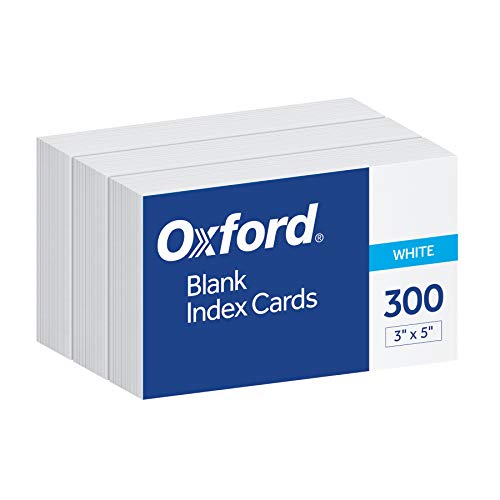
Oxford Ruled Index Cards, 3×5 Inches, White, 300 Count
These Oxford cards are a staple in offices. They are made with heavyweight paper that resists bending and smudging. The ruled lines are crisp and help keep writing straight. Users report that the cards hold up well to erasing and repeated handling.
Pros
- Thick, durable paper
- Crisp ruling that doesn’t fade
- Value pack of 300
Cons
- Not waterproof
- White color can show dirt

Exact Index Cards, 3×5 Inches, Unruled, White, 500 Count
Exact brand offers a high volume of unruled cards that are perfect for creating custom layouts. The smooth surface takes pen and marker well without bleeding. The cards are slightly thinner than Oxford but still sturdy for most professional uses.
Pros
- Large count for the price
- Smooth surface for markers
- No lines for flexible use
Cons
- Thinner material
- May curl in humid conditions
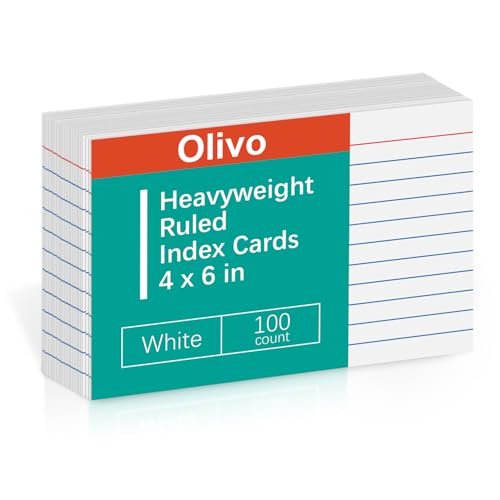
Staples Index Cards, 4×6 Inches, Ruled, White, 100 Count
Staples offers a larger 4×6 size that gives more room for detailed notes. The ruled lines are helpful for organizing information. The cards are medium weight and hold up well under normal office use.
Pros
- Larger writing area
- Clear ruling
- Good for presentations
Cons
- Fewer cards per pack
- Not as thick as premium brands

Oxford 5×8 Index Cards, Heavyweight, Ruled, White, 100 Count
For professionals who need to capture a lot of information on a single card, these 5×8 cards are ideal. They are heavyweight, so they resist bending even with heavy use. The ruling is well-spaced for readability.
Pros
- Large size for detailed notes
- Heavyweight for durability
- Smooth writing surface
Cons
- Bulky to carry
- May not fit standard card files
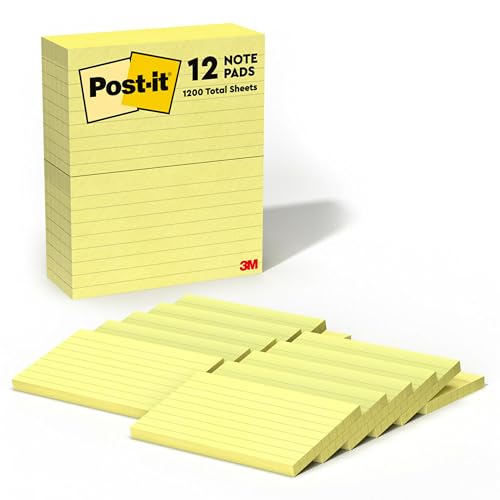
Post-it Super Sticky Index Cards, 3×3 Inches, Lined, Yellow, 24 Count
These Post-it index cards have a strong adhesive strip that lets you stick them to documents or boards. They are smaller, perfect for quick notes. The paper is durable and the adhesive holds well.
Pros
- Can stick to surfaces
- Convenient size
- Strong adhesive
Cons
- Small writing area
- Limited count

TOPS Index Cards, 3×5 Inches, Ruled, White, 500 Count
TOPS provides a massive pack of 500 cards at a budget-friendly price. The cards are standard weight but acceptable for everyday use. Ruled lines are clear. Some users note that the paper is slightly porous, so heavy ink may bleed through.
Pros
- High count
- Cost-effective
- Clear lines
Cons
- Ink can bleed
- Not as durable as premium

Levenger Index Cards, 3×5 Inches, Ruled, Ivory, 100 Count
Levenger cards are known for their premium quality. The ivory color is easy on the eyes, and the paper is thick with a smooth finish. They come in a sturdy storage box. The price is higher, but professionals who value writing experience appreciate them.
Pros
- Luxurious paper feel
- Eye-friendly ivory color
- Sturdy storage box
Cons
- Higher cost per card
- Fewer cards per pack
Compared at a glance
| # | Model | Size | Best for | Score | Price |
|---|---|---|---|---|---|
| 1 | Oxford Ruled Index Cards, 3×5 Inches, White, 300 Count | 3 x 5 inches | Everyday note-taking and presentations | 9.4 | Check price |
| 2 | Exact Index Cards, 3×5 Inches, Unruled, White, 500 Count | 3 x 5 inches | Flashcards and visual aids | 9.1 | Check price |
| 3 | Staples Index Cards, 4×6 Inches, Ruled, White, 100 Count | 4 x 6 inches | Larger format notes | 8.9 | Check price |
| 4 | Oxford 5×8 Index Cards, Heavyweight, Ruled, White, 100 Count | 5 x 8 inches | Extensive notes and outlines | 9.0 | Check price |
| 5 | Post-it Super Sticky Index Cards, 3×3 Inches, Lined, Yellow, 24 Count | 3 x 3 inches | Quick reminders and sticky notes | 8.4 | Check price |
| 6 | TOPS Index Cards, 3×5 Inches, Ruled, White, 500 Count | 3 x 5 inches | Heavy volume use | 8.8 | Check price |
| 7 | Levenger Index Cards, 3×5 Inches, Ruled, Ivory, 100 Count | 3 x 5 inches | Premium feel and aesthetics | 8.7 | Check price |
What to look for
Questions worth asking
What is the standard size for index cards?
The most common size is 3×5 inches, but 4×6 and 5×8 are also popular. The size you choose should match your writing needs and storage methods.
Are ruled or unruled index cards better for professionals?
Ruled cards help keep writing straight and are ideal for lists and structured notes. Unruled cards are better for diagrams and freeform layouts. Many professionals prefer ruled for presentations.
Can I use fountain pens on index cards?
Yes, but the paper must be thick enough to prevent feathering or bleed-through. Look for heavyweight cards designed for fountain pens, but many standard cards work with fine nibs.
How many index cards should I buy?
If you use them daily, a pack of 300 or 500 offers better value. For occasional use, a 100-count pack is sufficient. Consider how long cards remain relevant, as some professionals discard old notes.
Are there eco-friendly index cards?
Some brands use recycled paper, but not all. Check product descriptions for ‘recycled’ or ‘sustainable’ materials. Oxford and TOPS offer some eco-friendly options.
Can index cards be used with printers?
Yes, many index cards are printer-compatible. You need to feed them manually through your printer’s bypass tray. Always check the printer specifications for paper thickness.
Why do some index cards have lines on one side only?
Having one plain side allows you to draw diagrams or paste images without lines interfering. It’s a versatile design for study or presentation purposes.
How should I store index cards to keep them in good condition?
Store them in a dry, cool place away from direct sunlight. Use a card file box or rubber bands to keep them together. Avoid bending them, and handle them by the edges.
What is the difference between index cards and flashcards?
Index cards are general-purpose, while flashcards are often smaller and used for memorization. Flashcards may have a question on one side and an answer on the other, but any index card can serve as a flashcard.
Are premium index cards worth the extra cost?
Premium cards offer thicker paper, smoother surfaces, and better durability. If you value a pleasant writing experience and need cards that last, they are worth it. For mass note-taking, budget options may suffice.
Final word
Choose the Oxford Ruled Index Cards if you need a reliable, all-around card for professional use. For a larger format, the Oxford 5×8 is our choice. If you want premium quality and are willing to spend more, Levenger cards are excellent. Avoid the TOPS if you use heavy ink, as bleed-through may occur.
Marcus Chen
Marcus covered consumer electronics for enthusiast tech publications for six years before joining ChoiceCrest. He specializes in translating manufacturer spec sheets into plain-language buying advice, with a focus on audio, computing accessories and smart-home gear.


