What Serious Cyclists Add Once Group Rides Turn Competitive
Garmin Edge 840 leads this list for cyclists who want power data, mapping, and climb pacing in one GPS computer. Favero Assioma Duo pedals suit riders focused purely on power training, and the POC Ventral Air MIPS helmet balances low weight against aerodynamic gains for long race efforts.
Garmin Edge 840 fits riders chasing power, mapping, and climb data from a single GPS computer. Its 2.6 inch touchscreen and ClimbPro grade readout suit long climbs and structured intervals. Mapping features go unused by athletes who only care about wattage numbers.
Cycling gear splits into unrelated categories, from power meters to hydration systems, so no single product tops every list. Seven categories here reflect the upgrades competitive riders make most often. Rankings come from published specifications, cleat and connector compatibility, and owner feedback rather than in-house testing.
The best picks, ranked
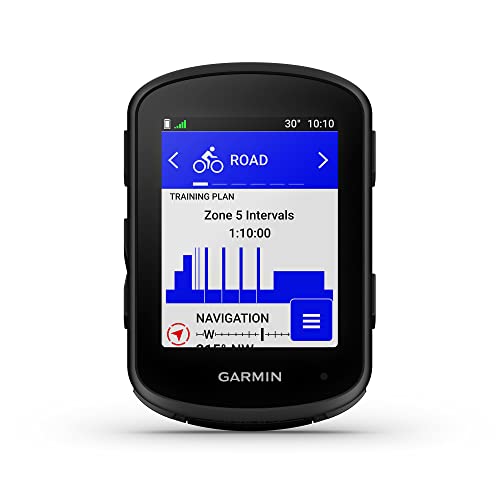
Garmin Edge 840
Power, heart rate, and mapping data share a 2.6 inch touchscreen on this GPS computer. ClimbPro displays real time grade and remaining elevation on graded climbs. Battery life reaches 26 hours in standard GPS mode, enough for most one day races.
Pros
- Pairs with third party power meters and heart rate straps
- ClimbPro shows live climb pacing data
- Preloaded maps support turn by turn routing
Cons
- Touchscreen response slows in cold or wet conditions
- Menu depth takes longer to learn than basic computers

Favero Assioma Duo
Dual sided pedals measure left and right power output independently, accurate to within 1 percent per Favero specifications. A rechargeable battery lasts roughly 50 hours per charge. Cleats compatible with Look Keo bolt directly onto existing crank arms.
Pros
- Independent left and right power balance readout
- Swaps between bikes sharing the same crank threading
- Skips a crank or spindle swap during install
Cons
- Pedal body sits bulkier than a standard road pedal
- Full data display needs a compatible head unit like an Edge computer

POC Ventral Air MIPS
Thirteen vents channel air over a MIPS Air rotational impact liner inside this helmet. Size medium weighs close to 240 grams. CPSC and EN1078 certifications cover the road use standards it meets.
Pros
- Low weight cuts neck fatigue on long climbs
- MIPS liner adds rotational impact protection
- Vent layout keeps airflow high during hard efforts
Cons
- Color choices trail entry level helmet lines
- Narrow fit challenges wider head shapes

Garmin Varia RTL515
Radar inside this tail light spots approaching vehicles up to 140 meters back and alerts riders through a paired Edge computer or the Varia app. Output reaches 65 lumens in flashing mode. One charge covers up to 16 hours in day flash mode.
Pros
- Radar flags vehicles before they show in a mirror
- Brightness ramps up automatically as traffic closes in
- Mounts directly to a standard seatpost
Cons
- Full radar alerts need a compatible Garmin device
- Detection accuracy drops on sharp curves

Topeak Ratchet Rocket Lite DX
Sixteen functions combine on a ratcheting handle with chrome vanadium steel bits for hex, Torx, and screwdriver work. A built in chain tool and tire lever cover most roadside repairs. Total weight lands near 172 grams, light enough for a saddle bag.
Pros
- Ratchet action speeds up bolt adjustments mid ride
- Compact size fits a small saddle bag
- Covers hex, Torx, and Phillips fasteners in one tool
Cons
- No spoke wrench ships in the kit for wheel truing
- Chain tool offers limited leverage on stiff master links

CamelBak Chase Bike Vest 4L
A race cut vest holds a 1.5 liter reservoir plus 4 liters of cargo space for nutrition and spares. Adjustable sternum straps keep it stable during out of saddle efforts. Mesh across the back panel improves airflow versus a backpack style pack.
Pros
- Stays stable through sprints and standing climbs
- Carries nutrition and a spare tube without overloading jersey pockets
- Magnetic tube trap keeps the bite valve within reach
Cons
- Capacity trails touring style hydration packs
- Reservoir needs manual cleaning after each ride

Shimano SH-RC702
A carbon composite sole rated for race day stiffness pairs with a BOA L6 dial for tension adjustment. Three bolt SPD-SL cleats fit most road pedal systems. Size 42 weighs close to 250 grams per shoe.
Pros
- Stiff sole cuts energy loss during hard sprints
- BOA dial allows on the fly tension changes
- Cleat pattern matches widely available SPD-SL systems
Cons
- Cushioning stays minimal for all day comfort off the bike
- Toe box runs narrower than Shimano’s touring shoe line
Before you buy
What separates competitive gear from casual setups Serious cyclists track power output instead of just speed and distance. Real time data lets them pace intervals and climbs to a target wattage. Aerodynamics and weight start to matter once base fitness plateaus. Radar lighting becomes routine once weekly mileage shifts onto open roads.
Bike computer or power meter pedals first A bike computer displays data while power meter pedals generate it. Riders working with a coach benefit most from dual sided data like the Assioma Duo provides. GPS computers such as the Edge 840 still pull wattage from any ANT+ compatible meter. Budget minded cyclists often buy the computer first and add pedals once training gets structured.
Gear built for long distance and multi day rides Hydration vests carry more fluid than bottle cages without the drag of extra bottle mounts. CamelBak’s Chase Vest holds enough capacity for rides beyond two hours without a support stop. Stiff soled shoes like the Shimano SH-RC702 reduce fatigue across back to back long days. A compact multi tool handles most mechanical issues on routes far from a bike shop.
When a budget multi tool covers enough Entry multi tools like the Ratchet Rocket Lite DX cover the fasteners most riders adjust mid ride. Criterium racers rarely need a full toolkit during a 45 minute race. Gravel routes and multi day tours call for heavier kits with a tire boot and spare hardware. Route remoteness drives upgrade timing more than total budget.
Side by side
| # | Model | Display | Best for | Score | Price |
|---|---|---|---|---|---|
| 1 | Garmin Edge 840 | 2.6-inch touchscreen | Best overall | 9.4 | Check price |
| 2 | Favero Assioma Duo | +/-1 percent, dual-sided | Best for power training | 9.2 | Check price |
| 3 | POC Ventral Air MIPS | Approx. 240g, size M | Best for aerodynamics | 9.0 | Check price |
| 4 | Garmin Varia RTL515 | Up to 140 meters | Best for road safety | 8.8 | Check price |
| 5 | Topeak Ratchet Rocket Lite DX | 16-in-1 with ratchet | Best budget | 8.5 | Check price |
| 6 | CamelBak Chase Bike Vest 4L | 1.5 liters | Best for long-distance rides | 8.3 | Check price |
| 7 | Shimano SH-RC702 | Carbon composite | Best for power transfer | 8.0 | Check price |
Questions worth asking
What accessories do competitive cyclists actually carry?
Most serious riders carry a GPS computer, a power meter, a multi tool, and some form of hydration storage. Helmet and lighting choices shift based on group riding versus solo training. Racing adds shoes built for stiff power transfer.
Is a power meter worth it for non professional racers?
Power data helps any rider pace efforts consistently across different terrain. Amateur racers use it to hold target wattage during intervals and races. Riders who only ride socially may skip the added cost and setup.
How much battery life should a bike computer have for long races?
Ultra distance events benefit from computers rated for 20 hours or more per charge. Garmin’s Edge 840 covers roughly 26 hours in standard GPS mode. Shorter club rides and commutes need far less battery buffer.
Bike computer vs smartphone app for tracking training data?
A dedicated computer like the Edge 840 pairs with more sensor types than most phone apps. Touchscreens on cycling computers stay usable with gloves and in rain. Phone apps still suit casual riders who already track routes on a device.
Which helmet works best for aerodynamics without overheating?
Vent count and placement determine how much airflow reaches the scalp during hard efforts. POC’s Ventral Air MIPS uses 13 vents to balance airflow against a smoother aero shell. Fully aero road helmets with fewer vents trade ventilation for lower drag.
Can a rear radar light replace checking over your shoulder?
A radar light like the Garmin Varia RTL515 flags vehicles before they appear in a mirror. It supplements a shoulder check rather than replacing it entirely. Riders still need to glance back before changing lane position.
What should a roadside multi tool include?
Check for hex keys, a chain tool, and a tire lever at minimum. Topeak’s Ratchet Rocket Lite DX covers hex, Torx, and Phillips fasteners plus a chain tool. Riders on remote routes often add a spoke wrench separately.
Which cycling shoes give the best power transfer?
Carbon composite soles transfer more pedaling force than nylon or fiberglass blends. Shimano’s SH-RC702 uses a race rated carbon sole with a BOA L6 dial closure. Riders prioritizing all day comfort over stiffness may prefer a touring shoe instead.
What is the best hydration setup for long training rides?
Vests like the CamelBak Chase carry more fluid and cargo than bottle cages alone. A 1.5 liter reservoir plus 4 liters of storage covers nutrition and spares on rides past two hours. Shorter rides under an hour rarely need more than two bottle cages.
The bottom line
Garmin Edge 840 takes the top spot for riders who want power data, mapping, and climb pacing bundled into one device. Cyclists focused purely on power should start with the Favero Assioma Duo pedals instead, since they generate the data any computer can display. Riders training mostly on busy roads gain the most safety value from adding the Garmin Varia RTL515 before anything else.
Derek Holt
Derek has a background coaching recreational and amateur athletes and has worked the sales floor at specialty fitness retailers. He focuses on equipment durability, ergonomics and realistic use cases rather than marketing claims.