Premium Sewing Thread That Won’t Let You Down
For most sewists, the Gutermann Sew-All Thread stands out as the top pick due to its impressive strength and smooth glide through machines. It suits everyday projects from garment construction to quilting, but it lacks the specialized finishes needed for heavy-duty outdoor gear.
A high-quality thread can make the difference between a project that lasts and one that falls apart. Premium threads resist breaking, reduce skipped stitches, and hold color well over time.
This roundup examines popular spools from trusted brands, noting what each does best and where they fall short. Whether you sew delicate silks or tough denim, there is a thread here for you.
The best picks, ranked

Gutermann Sew-All Thread
This 100% polyester thread is a staple in many sewing rooms. It offers excellent strength and a smooth finish that works well in most machines. Available in a wide range of colors, it handles woven and knit fabrics with ease.
Pros
- Strong and durable for general use
- Smooth, low-lint finish
- Wide color selection
Cons
- Not ideal for heavy fabrics like canvas
- Some users report color fading on dark shades
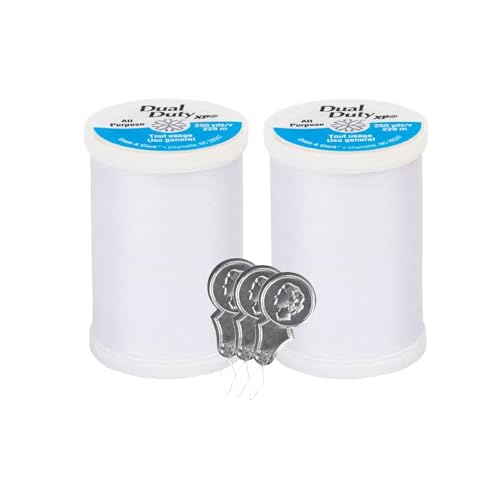
Coats & Clark Dual Duty XP
This thread combines polyester with a special coating for extra strength. It is designed to handle thick materials like denim and upholstery without breaking. The thread is also resistant to abrasion and mildew.
Pros
- Handles heavy fabrics without snapping
- Resists abrasion and mildew
- Suitable for hand and machine sewing
Cons
- Thicker thread may cause tension issues in delicate fabrics
- Limited color palette compared to others
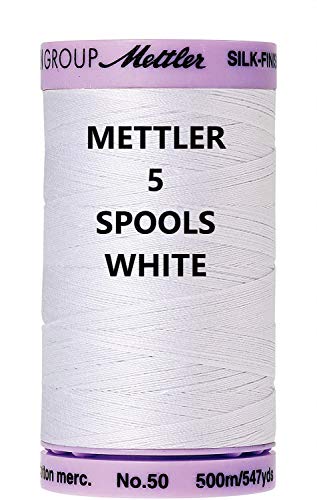
Mettler Silk Finish Cotton Thread
Mettler’s cotton thread is mercerized for a smooth, lustrous finish. It is made from long-staple Egyptian cotton, giving it strength and a soft hand. This thread works well for quilting, patchwork, and sewing with natural fibers.
Pros
- Beautiful sheen and soft feel
- Strong for cotton thread
- Ideal for natural fabrics
Cons
- May not be as strong as polyester
- Can shrink or fade if not prewashed

Aurifil 50wt Cotton Thread
Aurifil is known for its fine yet strong cotton thread. The 50 weight thread is a favorite among quilters for piecing and applique. It produces minimal lint and glides through fabric smoothly.
Pros
- Very strong for its fine diameter
- Low lint, keeps machine clean
- Large spool lasts long
Cons
- Thin thread may not suit heavy fabrics
- More expensive per yard

Gutermann Creative Metallic Thread
This metallic thread adds a shimmering touch to any project. It is designed to be used with a needle size 80/12 and works well for decorative topstitching and embroidery. The polyester core prevents breakage.
Pros
- Eye-catching metallic sheen
- Less breakage than typical metallic threads
- Suitable for machine embroidery
Cons
- Requires special needle and tension adjustments
- Not for seams or structural stitching

Superior Threads So Fine!
As the name implies, this thread is fine at 50 weight and blends beautifully into seams. It is strong yet thin, making it perfect for delicate fabrics like silk and chiffon. The matte finish reduces shine.
Pros
- Very fine, ideal for lightweight fabrics
- Strong for its size
- Matte finish reduces reflection
Cons
- Too fine for heavy denim or canvas
- May need smaller needle for best results

Rasant 100% Silk Thread
Silk thread is prized for its natural elasticity and strength. Rasant’s silk thread is ideal for tailoring, buttonholes, and sewing delicate silk garments. It lies flat and creates beautiful, invisible stitches.
Pros
- Natural elasticity and strength
- Smooth finish, no snags
- Perfect for silk and wool
Cons
- Expensive
- Not as colorfast as synthetics
What to look for
The lineup, side by side
| # | Model | Fiber | Best for | Score | Price |
|---|---|---|---|---|---|
| 1 | Gutermann Sew-All Thread | 100% polyester | Everyday sewing and quilting | 9.4 | Check price |
| 2 | Coats & Clark Dual Duty XP | 100% polyester | Heavyweight fabrics and mending | 9.2 | Check price |
| 3 | Mettler Silk Finish Cotton Thread | 100% long-staple cotton | Natural fabric projects and heirloom sewing | 9.0 | Check price |
| 4 | Aurifil 50wt Cotton Thread | 100% cotton | Quilting and piecing | 9.1 | Check price |
| 5 | Gutermann Creative Metallic Thread | Polyester core with metalized coating | Decorative stitching and embroidery | 8.8 | Check price |
| 6 | Superior Threads So Fine! | 100% polyester | Fine fabrics and invisible mending | 8.7 | Check price |
| 7 | Rasant 100% Silk Thread | 100% silk | Tailoring and silk fabrics | 8.5 | Check price |
Frequently asked questions
What is the strongest sewing thread?
Polyester threads like Coats & Clark Dual Duty XP and Gutermann Sew-All are very strong. For heavy fabrics, a bonded nylon or polyester thread is often stronger, but these are less common for home sewing.
Can I use cotton thread on polyester fabric?
Yes, but the thread may not have the same stretch as polyester, so seams might break when the fabric stretches. Better to use a polyester thread for knit fabrics.
What does thread weight mean?
Thread weight is a ratio that indicates thickness. A lower number like 30 is thicker, while a higher number like 50 is finer. For most sewing, 50 wt is a good medium.
Why does my thread keep breaking?
Possible causes include incorrect tension, a dull needle, or using a thread too thin for the fabric. Try adjusting tension and using a fresh needle suited for the thread weight.
Is expensive thread worth it?
Premium threads often have fewer breaks and less lint, which can save time and frustration. For important projects, the higher cost is usually justified.
Can I use metallic thread in a regular sewing machine?
Yes, but you may need to loosen tension and use a larger needle (like 90/14) with a larger eye. Going slowly helps prevent breakage.
How do I choose the right needle for my thread?
Match needle size to thread weight: fine threads (50 wt) use 70/10 or 80/12, medium (40 wt) use 80/12, and heavy (30 wt) use 90/14 or 100/16.
What is the best thread for hand sewing?
For hand sewing, a slightly thicker thread like 40 wt cotton or polyester is easier to handle. Silk thread is also excellent for basting because it doesn’t leave marks.
Does thread expire?
Thread can degrade over time, especially cotton and silk. Store threads away from sunlight and moisture. If thread snaps easily or looks fuzzy, replace it.
Can I mix different thread types in the same project?
Yes, but be aware that different fibers may shrink or stretch differently. For best results, use the same fiber in the bobbin and needle.
The verdict
For most sewists, the Gutermann Sew-All Thread is the best all-around choice because it combines strength, smoothness, and a vast color range at a fair price. If you primarily sew heavy fabrics like denim or canvas, opt for the Coats & Clark Dual Duty XP for its extra toughness. Quilters will appreciate the fine yet strong Aurifil thread for piecing, while those working with delicate silks should invest in Rasant silk thread. Choose based on your most common projects, and you won’t be disappointed.
Jake Monroe
Jake worked as a residential contractor for over a decade before shifting to full-time writing. He evaluates power tools, hand tools and workshop gear through the lens of someone who has actually used them on job sites, not just read the box.