4 Pasta Machines That Roll Consistently Thin Sheets
Marcato Atlas 150 leads this list for precise, repeatable rollers and a build that lasts decades. Philips Viva Collection extrudes shapes like penne with no rolling required, and CucinaPro Pasta Maker Deluxe Set covers hand-cranked basics at a lower cost.
Marcato Atlas 150 is the machine most home cooks should own for sheet pasta, since its rollers stay accurate for years and the build rarely fails. Philips Viva Collection skips rolling entirely, extruding shapes on its own, and CucinaPro Pasta Maker Deluxe Set covers hand-cranked basics for less.
Roller and extruder machines get sold side by side despite doing completely different jobs, which explains why so many end up unused in a cupboard. We compared seven currently sold machines on roller width, thickness range, included cutters and dies, materials and power, alongside what owners report about cleaning and long-term durability.
Our top picks

Marcato Atlas 150 Pasta Machine
Precision explains why this hand-crank machine has stayed the standard for generations. Rollers set consistently and stay parallel even after years of use. Ten thickness settings run fine enough for filled pasta, and optional attachments add more shapes later.
Pros
- Repeatable, precise thickness control
- Built to last for decades
- Wide range of optional attachments
Cons
- Must be hand washed, never soaked
- Clamp needs a suitable counter edge
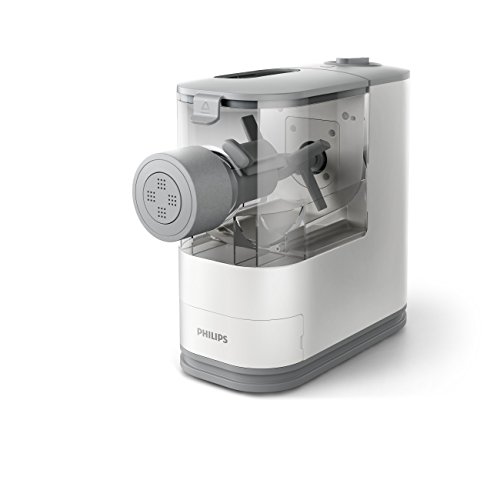
Philips Viva Collection Pasta Maker
Mixing, kneading and extruding happen in one operation here, turning fresh pasta into a weeknight task rather than a weekend project. Interchangeable dies produce spaghetti, penne and fettuccine without any rolling step. Cleaning the dies afterward takes real effort.
Pros
- Genuinely hands-off from dough to shape
- Makes tube shapes rollers cannot produce
- Fast enough for a weeknight dinner
Cons
- Dies are tedious to clean thoroughly
- Bulky footprint for storage

KitchenAid KSMPRA Pasta Roller and Cutter Set
Stand mixer owners gain a powered roller here, freeing both hands to guide the sheet instead of cranking. That single change makes rolling noticeably easier than a standalone machine. The set includes a roller plus fettuccine and spaghetti cutters.
Pros
- Both hands free while rolling dough
- Consistent, motor-driven roller speed
- Stores more compactly than a full machine
Cons
- Only useful with a compatible mixer
- Cutters need brushing, not washing

Imperia Pasta Maker Machine SP150
Chrome-plated steel gives this machine a noticeably heavier feel than most competitors, which cuts down on flex when rolling stiff dough. A double cutter head handles two widths at once. Consider it a direct alternative to the Atlas with a slightly different feel.
Pros
- Very solid with minimal flex
- Handles firm, stiff dough well
- Traditional design with lasting appeal
Cons
- Heavier to set up and store
- Fewer thickness steps than the Atlas
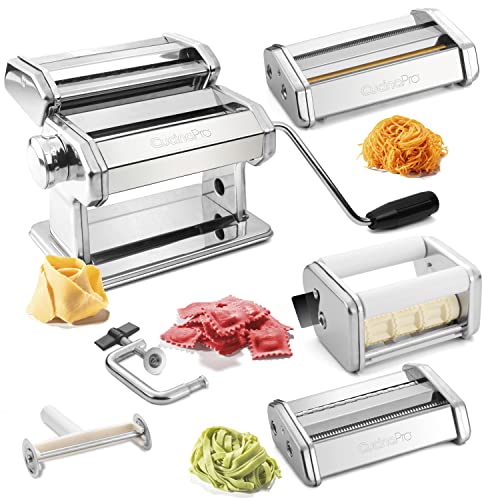
CucinaPro Pasta Maker Deluxe Set
Extra cutting attachments and a ravioli maker come bundled here, giving new cooks more shapes out of the box than most starter machines. Build quality sits below the Italian machines but above the cheapest options. It works well as a first pasta machine.
Pros
- Several attachments included in one kit
- Strong value for a complete set
- Straightforward to set up and use
Cons
- Rollers less precise than premium machines
- Clamp can loosen during heavy use
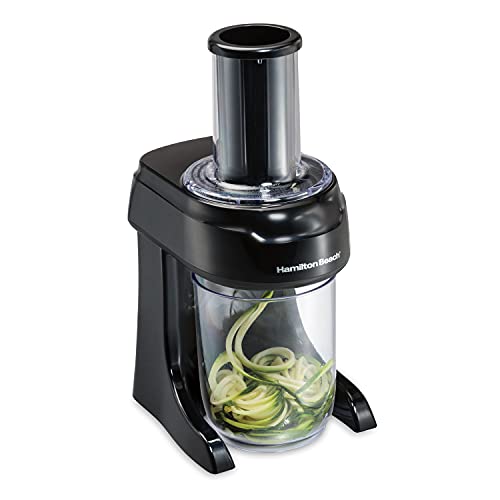
Hamilton Beach Electric Pasta and Noodle Maker
A lower price gets you automatic extruded pasta here, without the refinement of the Philips model. Dough hydration matters more for good results on this machine. Simple shapes like spaghetti and macaroni turn out well enough for regular use.
Pros
- Much cheaper than premium extruders
- Hands-off once the dough is loaded
- Compact footprint for an electric machine
Cons
- Fussy about dough hydration levels
- Dies require careful, thorough cleaning
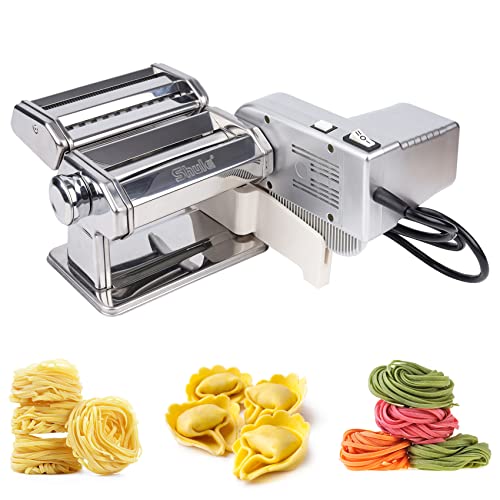
Shule Pasta Maker Machine
New cooks unsure whether pasta making will stick can start here for little outlay. Thickness adjustment works fine, and the cutters produce acceptable results for the price. Precision falls short of a Marcato, but so does the cost.
Pros
- Low-risk way to try pasta making
- Stainless rollers resist marking over time
- Light enough to store easily
Cons
- Less consistent thickness than premium machines
- Crank fit runs looser than pricier models
What matters most
Should I buy a roller or an extruder pasta machine? Roller machines flatten dough into sheets for cutting, covering tagliatelle, lasagne, ravioli and anything sheet-based. Extruders push dough through dies instead, producing penne, rigatoni and spaghetti that a roller cannot shape. Choosing the wrong type is the single most common mistake buyers make, so decide which shapes you actually want to eat first.
Do hand-crank machines really last longer than electric ones? Steel hand-crank machines like the Marcato Atlas 150 or Imperia SP150 have almost nothing mechanical to fail, and plenty stay in service decades later. Electric extruders carry motors, gearboxes and plastic parts that eventually wear down. Effort is the trade-off, though a stand mixer owner skips most of it with the KitchenAid attachment.
How do you clean a pasta machine without ruining it? Water is the enemy of roller machines, since moisture rusts the rollers and hardens dough inside the mechanism. A dry brush clears them in about a minute. Extruder dies need soaking and picking clean instead, a chore that takes considerably longer, so weigh that honestly against a weeknight schedule.
What thickness range and roller width should I look for? Ten thickness settings, like those on the Atlas, produce sheets fine enough for filled pasta and thick enough for pappardelle. Fewer settings limit what a machine can make well. Standard 150mm roller width suits most home kitchens, while wider machines mainly serve people making pasta in bulk.
The lineup, side by side
| # | Model | Type | Best for | Score | Price |
|---|---|---|---|---|---|
| 1 | Marcato Atlas 150 Pasta Machine | Hand crank roller | Best overall | 9.4 | Check price |
| 2 | Philips Viva Collection Pasta Maker | Electric extruder | Best electric extruder | 9.2 | Check price |
| 3 | KitchenAid KSMPRA Pasta Roller and Cutter Set | Stand mixer attachment | Best for stand mixer owners | 9.0 | Check price |
| 4 | Imperia Pasta Maker Machine SP150 | Hand crank roller | Best build quality | 8.7 | Check price |
| 5 | CucinaPro Pasta Maker Deluxe Set | Hand crank roller | Best value | 8.5 | Check price |
| 6 | Hamilton Beach Electric Pasta and Noodle Maker | Electric extruder | Best budget electric | 8.2 | Check price |
| 7 | Shule Pasta Maker Machine | Hand crank roller | Best budget roller | 8.0 | Check price |
Good to know
Do I need a pasta machine to make fresh pasta?
No, a rolling pin works, but a machine delivers even thickness that is difficult to match by hand. Even thickness is also what makes fresh pasta cook uniformly.
Should I buy a roller or an extruder pasta machine?
Choose a roller for sheet pasta, filled shapes and ribbon cuts. Choose an extruder for tubes and rods like penne and spaghetti. Most home cooks start with a roller since it covers classic fresh pasta shapes.
Can a pasta machine go in the dishwasher?
Roller machines cannot, since water rusts the rollers and ruins the mechanism inside. Extruder dies are sometimes dishwasher safe, but check the manual for your specific model first.
How do you clean a hand-crank pasta machine?
Let any dough dry fully, then brush it out with a dry pastry brush or skewer. Running scrap dough through the rollers also lifts residue. Never wash or soak the machine.
Is the KitchenAid pasta attachment worth it over a standalone machine?
Yes, if you already own a compatible mixer, since powering the rollers frees both hands to manage the sheet. Without one, a standalone machine costs far less.
How long does fresh pasta take with an electric extruder?
Models like the Philips Viva Collection produce fresh pasta within minutes of loading the ingredients. Cleaning the dies afterward usually takes longer than making the pasta did.
What flour works best for homemade pasta?
Fine-milled durum or type 00 flour is the traditional choice for smooth, workable dough. All-purpose flour also works, producing a slightly softer finished noodle.
Do pasta machines need a clamp or counter edge?
Most hand-crank machines clamp onto a table or counter edge, so you need an overhang they can grip. Thick or rounded counters can be a problem worth checking before buying.
Are extruder pasta machines harder to clean than rollers?
Generally yes, since dies require soaking and picking food out of small channels. Roller machines only need a dry brush, making them the faster clean-up option.
Can you make gluten-free pasta with these machines?
Roller machines handle gluten-free dough fine, though it can crack more easily and needs gentler handling. Extruders work too, but gluten-free dough often needs a different hydration ratio than wheat dough.
The verdict
Marcato Atlas 150 is the pasta machine to buy first, since precise rollers and decades-long durability cover everything sheet pasta requires. Cooks who want penne and spaghetti without rolling should pick the Philips Viva Collection instead, accepting the cleanup that comes with it. KitchenAid owners already have the best route sitting in their cupboard.
Dana Whitfield
Dana spent eight years buying and merchandising for a regional kitchenware retailer before moving into editorial work. She has handled thousands of SKUs across cookware, small appliances and kitchen organization, and focuses on the practical differences that matter once a product is actually in daily use.