8 Party Games That Work for Mixed Age Groups
Codenames wins for mixed groups since its rules explain in about two minutes and replay value stays high. Just One suits people meeting for the first time because nobody is singled out. Telestrations 12 Player Party Pack seats a full dozen at once.
Codenames is the safest pick for most groups because it teaches in minutes and rewards replay. Just One gives a room a warm, cooperative opener. Telestrations 12 Player Party Pack seats twelve people at once, something most party games cannot manage.
Party games fail for social reasons more than mechanical ones. A ten minute rules explanation loses a room, and a game built for six splits a party of nine. We compared published player counts, teaching time and age guidance, then weighed owner reports on how each title plays once half the table has never seen it before.
Our top picks

Codenames by Czech Games Edition
Two teams identify their own agents from a word grid using single word clues from a spymaster. Explaining the rules takes about two minutes, and the tension comes from how a group interprets language rather than luck. Owners report it holds up across ages and personality types better than most rivals.
Pros
- Explained in a couple of minutes
- Enormous replay value from the word grid
- Works with unequal team sizes
Cons
- Spymaster role can feel high pressure
- Word knowledge gaps can slow mixed age groups
Just One by Repos Production
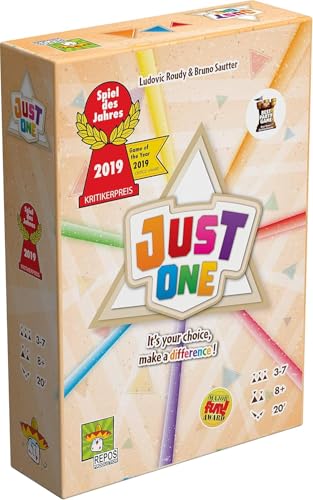
Every player writes a one word clue for the guesser, and duplicate clues cancel before anyone sees them, which produces funny near misses. Nobody gets eliminated or singled out, so strangers relax faster than in competitive formats. Rounds run short enough that latecomers join without a restart.
Pros
- No player elimination or direct conflict
- Very fast to teach
- Reusable wipe clean components
Cons
- Caps at seven players
- Needs a shared vocabulary to shine

Telestrations 12 Player Party Pack
Sketchbooks pass around the circle while everyone draws and guesses at once, so twelve people play simultaneously with no downtime. Comedy comes from watching a phrase mutate through six pairs of hands. Drawing ability barely matters, and the worst artists often produce the funniest rounds.
Pros
- Everyone plays at the same time
- Handles a full room of twelve
- Drawing skill genuinely does not matter
Cons
- Needs table space for everyone
- Markers dry out if left uncapped
Wavelength by Palm Court
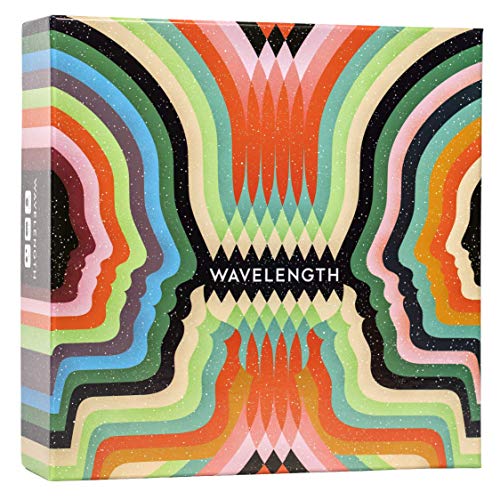
A clue giver tries to place a hidden dial between two opposing concepts while their team argues about where it belongs. Underneath the mechanics, the game is really a machine for producing debate, like whether a hot dog counts as a sandwich. Groups who enjoy talking get more from it than groups who want speed.
Pros
- Generates genuine group discussion
- Attractive physical dial component
- Scales to large team play
Cons
- Slower pace than fast party games
- Quieter players can get talked over

The Chameleon by Big Potato Games
One player does not know the secret word and has to blend in while everyone gives a one word clue. It delivers social deduction fun without the elimination that frustrates players in some hidden role games. Rounds move quickly, which keeps accusations light instead of heated.
Pros
- Short rounds keep energy high
- No player elimination
- Easy to teach mid party
Cons
- Works less well with only three players
- Repeat topic cards come up over time

Sushi Go Party! by Gamewright
Players pass hands of cards around the table collecting sets, dressed up in artwork aimed at younger players. Real strategy sits underneath the cute presentation, so adults stay engaged while children keep pace. Few party games work equally well for an eight year old and a table of adults.
Pros
- Genuinely works across ages
- Variable menus change each game
- Compact box travels well
Cons
- Scoring takes a moment to explain
- Less raucous than shouting party games

Throw Throw Burrito by Exploding Kittens
Card combinations trigger a dodgeball fight with soft foam burritos, turning a quiet card game chaotic in seconds. It suits groups who want to be on their feet rather than seated around a table. Clear floor space and an agreement on boundaries help before the first round starts.
Pros
- High energy and genuinely funny
- Gets people off their chairs
- Fast rounds keep momentum
Cons
- Needs clear space and tolerant surroundings
- Not suited to quiet or seated gatherings
Before you buy
How many players should a party game support? Buying a game built for four and then hosting nine is the most common disappointment. Check both the minimum and maximum player count, and be honest about which end your gatherings usually sit at. Telestrations and Wavelength scale to a full room, while Just One caps at seven no matter how much a group enjoys it.
Why does teaching time matter so much? A room that has been chatting for an hour will not sit through a ten minute rules explanation. Games that succeed at parties can be taught while people are still finding a seat. Anything that needs a reference sheet per player belongs at a games night, not a party.
Which games work best for people who do not know each other? Elimination and single player spotlight mechanics create spectators rather than participants. Cooperative and simultaneous games keep everyone involved, which matters most when confidence levels vary across the table. Fast turn order also lets latecomers join without a restart.
What about space, noise and mixed ages? Drawing games need table space and decent light, while active games need floor space and forgiving neighbours. Sushi Go Party! and Codenames both bridge children and adults at the same table. Picking a game your actual room and guest list can support matters as much as the game itself.
Compared at a glance
| # | Model | Players | Best for | Score | Price |
|---|---|---|---|---|---|
| 1 | Codenames by Czech Games Edition | Two to eight or more in teams | Best overall | 9.4 | Check price |
| 2 | Just One by Repos Production | Three to seven | Best for icebreaking | 9.2 | Check price |
| 3 | Telestrations 12 Player Party Pack | Four to twelve | Best for large groups | 9.0 | Check price |
| 4 | Wavelength by Palm Court | Two to twelve in teams | Best for conversation | 8.7 | Check price |
| 5 | The Chameleon by Big Potato Games | Three to eight | Best for social deduction | 8.5 | Check price |
| 6 | Sushi Go Party! by Gamewright | Two to eight | Best for mixed ages | 8.2 | Check price |
| 7 | Throw Throw Burrito by Exploding Kittens | Two to six | Best for high energy groups | 8.0 | Check price |
Good to know
What makes a good party game?
Fast teaching, short rounds, high player counts and no elimination. A game people can join mid session and understand within two minutes works in a social setting where attention is divided.
Which party game works with the most people?
Telestrations 12 Player Party Pack handles a dozen players at once because everyone draws simultaneously. Team based games like Codenames and Wavelength also stretch large, since extra people simply join a side.
Are party games suitable for kids?
Sushi Go Party! is built for younger players and works at mixed age tables. Codenames and Telestrations play well with older children in teams, while anything listed at fourteen plus targets teens and adults.
What is the best cooperative party game?
Just One stands out because everyone works toward one goal and nobody gets put on the spot competitively. It suits groups meeting for the first time.
How long does a typical party game round take?
Most run fifteen to thirty minutes, which is the point. Short sessions let people drift in and out of a gathering without abandoning a half finished game.
Do party games need a big table?
Drawing and writing games need surface space per player. Card and deduction games work fine on a coffee table or a circle of chairs, while active games need floor space instead.
Which game works for people who say they do not like games?
Codenames and Just One tend to convert reluctant players, since the skill involved is everyday language rather than rules mastery. Neither needs prior board game experience.
Can these be played with only three or four people?
Several work at low counts, including The Chameleon, Just One and Sushi Go Party!. Team word games like Codenames have small group variants but shine with more players.
Codenames vs Wavelength, which is better for a mixed group?
Codenames teaches faster and suits groups who want a quick, competitive round. Wavelength runs longer and rewards groups who enjoy debating where a dial belongs.
Is a cooperative or competitive party game better for strangers?
Cooperative titles like Just One remove the pressure of being singled out, which usually works better when a group has not met before.
Our take
Codenames remains the most dependable party game to own because it teaches in two minutes, scales with teams and never plays the same way twice. Add Just One for gatherings where people are meeting for the first time, and Telestrations 12 Player Party Pack for a regularly full room. Reach for Sushi Go Party! when children and adults sit down together.
Rachel Simmons
Rachel previously worked in child-product retail and brings a practical, detail-first eye to gear reviews, focusing on safety standards, ease of use and the fine print that matters most for new caregivers.