Micro Pliers Sets For Jewelry, Electronics, and Hobby Work
The Wiha Micro Pliers Set leads for general electronics and repair bench work, with ESD-safe handles and tight jaw tolerances. Excelta’s Five Star set suits finer precision assembly, while the Horusdy Mini Pliers Set covers occasional hobby use at the lowest cost of this group.
The Wiha Micro Pliers Set is the strongest choice for anyone repairing electronics, since its ESD-safe handles protect sensitive components from static discharge during handling. Jaws close with minimal play, which matters when gripping a part the size of a grain of rice. The tradeoff is a smaller selection of jaw shapes than some multi-piece sets offer.
Micro pliers only earn their name if the jaws actually close true at a small scale, without the slop that shows up in cheaper stamped tools. We compared jaw alignment, handle material, and how each set’s piece count matches real bench tasks.
How to pick the right one
What counts as a micro pliers set Micro pliers scale standard jaw shapes, needle-nose, flat, bent, and cutting, down to a size that fits components smaller than a thumbnail. They exist for jobs where full-size pliers would crush, bend, or simply not fit. Jaw alignment matters more at this scale, since even slight play shows up as a part slipping free mid-task.
Electronics work versus jewelry and craft use Electronics technicians generally want ESD-safe handles and tight jaw tolerances, as the Wiha and Excelta sets offer, to avoid static damage near circuit boards. Jewelry and watch repair leans toward fine tapered jaws like Bernstein’s, built for soft metal findings rather than wire. Telecom and wiring tasks favor serrated jaws, such as Jonard’s, for a firmer hold on small conductors.
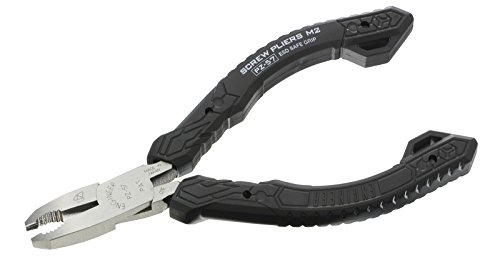
Single pliers versus a multi-piece set A single specialized plier, like the Engineer PZ-56’s angled tip, solves one access problem particularly well. A multi-piece set, such as Tekton’s four-piece or Horusdy’s six-piece kit, trades some specialization for broader coverage at one price. Professionals doing repetitive specific tasks often prefer the single-purpose tool once they know exactly what they need.
Handle material and comfort over long sessions Cushioned or dual-component grips, found on the Jonard and Tekton sets, reduce hand fatigue during extended repair or assembly sessions. Knurled steel handles, as on the Bernstein plier, offer less cushioning but a more direct feel for fine control. ESD-safe handles add a functional requirement on top of comfort for anyone working near sensitive electronics.
What we recommend

Wiha Micro Pliers Set
Wiha machines these jaws from hardened steel and fits them with ESD-safe handles rated for use near static-sensitive circuit boards. Jaw tips close with almost no lateral play, which keeps small components from slipping during assembly or repair. Electronics technicians doing board-level work get consistent grip without marring soft component leads.
Pros
- ESD-safe handles protect static-sensitive boards
- Minimal jaw play for precise component handling
- Hardened steel jaws resist wear over time
Cons
- Only two jaw shapes included in the set
- Costs more than basic hobby pliers sets

Excelta Five Star Micro Pliers Set
Excelta builds its Five Star line to Swiss precision-tool tolerances, aligning jaw faces so they meet evenly across the full length of the tip. That consistency matters when stripping or forming fine wire for circuit assembly. The anti-magnetic option in this line also suits technicians working near sensitive magnetic sensors.
Pros
- Jaw faces meet evenly across the full tip
- Anti-magnetic option available for sensitive work
- Three jaw shapes cover most assembly tasks
Cons
- Premium pricing compared to general hobby sets
- Stainless handles feel slicker without a glove
Engineer PZ-56 Micro Pliers
Engineer angles the jaw tip on this Japanese-made plier so it reaches into recessed connector housings and tight chassis corners without the handle blocking the view. The narrow profile suits model builders and repair technicians working inside small enclosures. A single fixed angle means it covers one specific access problem well rather than many.
Pros
- Angled tip reaches recessed connectors easily
- Narrow profile clears tight chassis openings
- Rubber grip stays comfortable during long sessions
Cons
- Sold as a single plier, not a full set
- Fixed angle limits use to specific access angles

Jonard Tools Micro Pliers Set
Jonard Tools serrates the jaw faces on this set, giving a firmer hold on small-gauge wire and connector pins during telecom and low-voltage wiring tasks. The set includes flat and needle-nose options sized for cramped junction boxes and patch panels. Field technicians favor the set’s balance of reach and grip strength over pure jewelry-grade finesse.
Pros
- Serrated jaws grip small wire firmly
- Cushioned handles reduce hand fatigue on long jobs
- Sized well for junction box and panel work
Cons
- Serrations can mark soft or plated wire
- Not as fine-tipped as jewelry-focused pliers

Tekton Mini Pliers Set
Tekton packages four common jaw shapes together, covering needle-nose, diagonal cutting, and curved-jaw tasks in one set at a moderate price. The chrome-vanadium steel jaws hold an edge reasonably well for occasional hobby and craft use. Buyers who want variety without committing to several single-purpose pliers get the most practical coverage here.
Pros
- Four jaw shapes cover varied small tasks
- Chrome-vanadium steel holds an edge well
- Comes in a storage case for the full set
Cons
- Jaw alignment is looser than precision brands
- Not rated ESD-safe for board-level electronics
Bernstein Micro Pliers
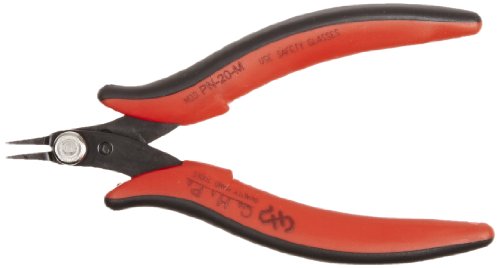
Bernstein tapers these jaws to a fine point suited to jewelry findings, watch bands, and other small metal components rather than wire or electronics work. German manufacturing standards keep the pivot tight, so the tip stays aligned after repeated use. Watchmakers and jewelry hobbyists get a tool built for their specific scale of parts.
Pros
- Fine taper suits jewelry and watch components
- Tight pivot keeps jaws aligned over time
- Compact size fits small work surfaces
Cons
- Sold individually rather than as a set
- Jaw shape is too fine for heavier wire work

Horusdy Mini Pliers Set
Horusdy bundles six jaw shapes into one case at the lowest price in this group, aimed at occasional craft, jewelry, and light repair tasks rather than daily professional use. The stamped steel jaws work fine for soft wire and beading work. Anyone building a first small-tool kit gets broad coverage without a large outlay.
Pros
- Lowest cost way to cover six jaw shapes
- PVC coating adds grip and light shock absorption
- Compact case keeps pieces organized
Cons
- Stamped jaws show more play than machined sets
- Not suited to daily professional-grade use
Compared at a glance
| # | Model | Jaw type | Best for | Score | Price |
|---|---|---|---|---|---|
| 1 | Wiha Micro Pliers Set | Flat and needle-nose | Best overall micro pliers set | 9.2 | Check price |
| 2 | Excelta Five Star Micro Pliers Set | Flat, needle, and chain-nose | Best for precision electronics assembly | 9.0 | Check price |
| 3 | Engineer PZ-56 Micro Pliers | Angled bent-nose | Best for tight bent-nose access | 8.8 | Check price |
| 4 | Jonard Tools Micro Pliers Set | Serrated flat and needle-nose | Best for telecom and wiring work | 8.6 | Check price |
| 5 | Tekton Mini Pliers Set | Needle, diagonal, curved, flat | Best value multi-piece set | 8.4 | Check price |
| 6 | Bernstein Micro Pliers | Fine tapered flat-nose | Best for jewelry and watch repair | 8.3 | Check price |
| 7 | Horusdy Mini Pliers Set | Round, flat, needle, and bent | Best budget pick | 8.0 | Check price |
Common questions
What makes a plier set ESD-safe?
ESD-safe handles use materials that dissipate static charge rather than building it up, protecting circuit boards from damage during handling. The Wiha set is rated for this kind of work.
Can micro pliers replace standard pliers for most jobs?
No. They are built for small components and fine wire, not for gripping larger hardware or applying heavy leverage, which still calls for standard-size pliers.
Are micro pliers sets good for jewelry making?
Yes, especially sets with fine tapered or round jaws, like the Bernstein plier or the round-nose option in Horusdy’s set, which suit wire wrapping and findings work.
How many pliers does a basic starter set need?
Three to four shapes, needle-nose, flat, and a cutter, cover most small repair and craft tasks without needing a full six-piece kit right away.
Do micro pliers come with a storage case?
Many multi-piece sets, including Tekton’s and Horusdy’s, ship with a compact case or pouch to keep individual pliers organized and protected.
What is the difference between micro pliers and jeweler’s pliers?
The terms overlap heavily. Jeweler’s pliers often emphasize fine, polished jaws for soft metal, while micro pliers marketed for electronics add ESD-safe handles and tighter tolerances.
Can serrated jaws damage delicate wire?
Yes, serrations like those on the Jonard set can leave marks on soft or plated wire, so smooth-jaw pliers are a better choice for finish-sensitive work.
Is Swiss or German manufacturing worth paying more for?
Brands like Excelta and Bernstein hold tighter pivot tolerances over repeated use, which matters for professionals but may be unnecessary for occasional hobby projects.
Our pick
The Wiha Micro Pliers Set is the strongest all-around pick for anyone doing regular electronics or repair work, since its ESD-safe build and tight jaws hold up to daily use. Jewelry and watch hobbyists should pick the Bernstein plier instead, since its fine taper suits soft metal findings better than an electronics-focused jaw. Buyers who just need broad coverage for occasional projects get the best practical value from the Horusdy six-piece set.
Jake Monroe
Jake worked as a residential contractor for over a decade before shifting to full-time writing. He evaluates power tools, hand tools and workshop gear through the lens of someone who has actually used them on job sites, not just read the box.