Matching a Math Toy to Your Child’s Age and Skill Level
Learning Resources Mathlink Cubes cover counting, patterns and early addition for most kids aged five to ten. hand2mind Base Ten Blocks target place value once a child already counts fluently, and the Osmo Genius Starter Kit adds tablet-based feedback for kids who respond well to instant results.
Learning Resources Mathlink Cubes work best as a first pick for kids around five to ten, covering counting, patterns and early addition, though the set alone skips place value and fractions entirely.
Skill level, screen preference and durability all shift which toy fits, so we compared age recommendations, listed specifications and owner feedback across seven current listings.
Before you buy
What to look for in a math toy Manipulatives, dice games and tablet kits each teach math through a different channel. Physical pieces let kids touch and rearrange numbers, a method many early educators favor. Screen-based kits add instant feedback but depend on a compatible device being on hand. Storage matters too, since any set over fifty pieces needs a tray or tub to stay usable.
Choosing by age and skill level Toddlers around two to four respond best to simple tools like a wooden abacus or a pretend cash register. Kids in early elementary, roughly five to eight, benefit from linking cubes or dice games that build number sense and mental math. Base ten blocks and fraction tiles suit kids around seven to ten who already count comfortably and need concrete models for harder concepts.
Hands-on manipulatives vs screen-based math games Wood and plastic manipulatives need no charging and rarely break unless dropped or bent hard. Screen-based kits like Osmo add instant right-or-wrong feedback, which keeps some kids motivated longer. Siblings of different ages often do better with one manipulative set plus one game-based option, rather than a single format for everyone.
Which math toy fits a specific skill Counting and number recognition call for an abacus or a set of linking cubes. Addition and subtraction fluency improves fastest through a fast-paced dice game like Math Dice Jr. Place value and regrouping need base ten blocks, since apps and flat cardstock rarely make hundreds and tens feel concrete. Fractions get skipped by most sets, so a dedicated tile set fills that specific gap.
The best picks, ranked
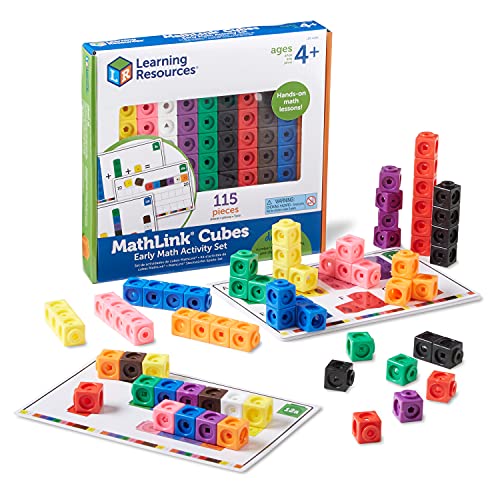
Learning Resources Mathlink Cubes Activity Set, 100 Piece Set
This set packs 100 interlocking cubes across ten colors, plus activity cards for counting, sorting and simple addition. Cubes snap together on all six sides, so number bonds and patterns take shape by hand. Learning Resources sells extra activity card packs separately once a child outgrows the starter set.
Pros
- Six-sided snapping allows flexible, open-ended building
- Ten colors simplify sorting and pattern practice
- Activity cards add structure without extra planning
Cons
- No built-in system covers place value past ten
- Small cubes pose a choking risk for toddlers

hand2mind Base Ten Blocks Place Value Set
Unit cubes, ten-rods and hundred-flats pair together here, showing how ones, tens and hundreds relate. Teachers use this same block style for regrouping practice in addition and subtraction. Plastic construction keeps the set lighter than comparable wooden base ten kits.
Pros
- Matches the base ten models most elementary classrooms use
- Hundred-flats make three-digit numbers concrete, not abstract
- Pieces store flat inside the included tray
Cons
- Open-ended builders may find the format less engaging
- Small unit cubes are easy to misplace

ThinkFun Math Dice Jr
Rolling a twelve-sided target die alongside two six-sided dice starts every round, and players race to combine numbers through addition or subtraction. Fast rounds pack many reps of mental math into a short session. ThinkFun built the game for two or more players, fitting siblings or classroom pairs.
Pros
- Quick rounds keep repeated practice from feeling tedious
- Tin case travels easily for car rides or trips
- Rules scale up once a child masters basic combinations
Cons
- A second player is required, so solo play is not possible
- Multiplication and division are outside its scope

Osmo Genius Starter Kit for iPad
A plastic base, reflective mirror and five learning games make up this kit, including Osmo Numbers for counting and number bonds. The base reads physical tiles through the iPad camera, blending hands-on pieces with on-screen feedback. Buyers need to supply their own compatible iPad, since it is not included.
Pros
- On-screen feedback flags mistakes the moment they happen
- Five included games extend value past math alone
- Physical tiles keep play from becoming a pure touchscreen session
Cons
- A compatible iPad is required and sold separately
- Battery life and app updates affect day-to-day reliability

Melissa & Doug Wooden Abacus
A solid wood frame holds 100 beads across ten rows in assorted colors, giving toddlers an entry point into counting and sorting. Setup takes seconds, since there are no batteries or screens involved. Melissa & Doug’s solid wood build holds up to repeated sliding and stacking.
Pros
- Costs less than electronic or app-based alternatives
- Simple layout suits toddlers just starting to count
- No batteries or screen time required
Cons
- Skills plateau before reaching more advanced math
- Beads can loosen with very rough handling over time
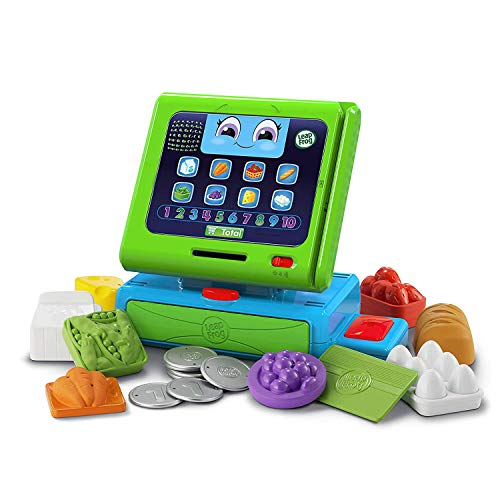
LeapFrog Count Along Cash Register
Play money, a working scanner and buttons that trigger counting songs make up this pretend register. LeapFrog aimed the toy at preschoolers who learn best through pretend play rather than worksheets. Lights and sound effects reinforce number recognition throughout checkout play.
Pros
- Pretend play suits kids who resist flashcard-style drills
- Scanner and sound effects hold younger attention spans
- Coin values get introduced ahead of formal money lessons
Cons
- AA batteries add an ongoing cost
- Skill ceiling sits below manipulative-based sets

Coogam Wooden Rainbow Fraction Tiles with Fraction Circles
Color-coded wooden tiles and circles break down into halves, thirds, quarters and smaller fractions here. Matching colors across tiles and circles let kids compare equivalent fractions side by side. Coogam packages every piece inside a wooden box that doubles as a sorting tray.
Pros
- Color coding makes equivalent fractions easy to spot
- Wooden storage box keeps small pieces from scattering
- Covers a skill most other math toys skip entirely
Cons
- Little use for kids who have not started fractions yet
- Wooden pieces can chip if dropped repeatedly
The lineup, side by side
| # | Model | Piece Count | Best for | Score | Price |
|---|---|---|---|---|---|
| 1 | Learning Resources Mathlink Cubes Activity Set, 100 Piece Set | 100 cubes | Best overall | 9.4 | Check price |
| 2 | hand2mind Base Ten Blocks Place Value Set | Plastic | Best for place value | 9.2 | Check price |
| 3 | ThinkFun Math Dice Jr | 2 or more | Best for mental math practice | 9.0 | Check price |
| 4 | Osmo Genius Starter Kit for iPad | iPad (base included) | Best for tech-integrated learning | 8.8 | Check price |
| 5 | Melissa & Doug Wooden Abacus | Solid wood | Best budget | 8.6 | Check price |
| 6 | LeapFrog Count Along Cash Register | 2 to 5 years | Best for toddlers | 8.3 | Check price |
| 7 | Coogam Wooden Rainbow Fraction Tiles with Fraction Circles | Wood | Best for fractions | 8.0 | Check price |
Common questions
What age is right for math manipulative toys?
Most manipulative-based toys target ages five to ten, though simpler tools like a wooden abacus work for toddlers around three. Match the stated age range to a child’s counting ability, not just their age in years.
Is Osmo as effective as physical math manipulatives?
Owners report that Osmo’s Numbers game works best alongside physical manipulatives, not instead of them. The camera setup still reads physical tiles, so it blends both formats rather than replacing hands-on practice.
Which math toy teaches place value best?
hand2mind Base Ten Blocks are built specifically for place value, using unit cubes, ten-rods and hundred-flats that mirror classroom teaching models. They work best once a child already counts to one hundred.
Can a wooden abacus still help a kid used to digital games?
Yes. A wooden abacus like the Melissa & Doug model gives a screen-free counting tool that builds number sense before a child moves to app-based or dice-based practice.
Mathlink Cubes vs base ten blocks, what is the difference?
Mathlink Cubes suit open-ended counting, sorting and pattern work for younger kids. Base ten blocks target a narrower skill, place value, and fit older elementary kids working with two and three-digit numbers.
What is the best math toy for a toddler learning to count?
A wooden abacus or a pretend cash register like the LeapFrog Count Along suit toddlers best, since both introduce counting through simple, repeatable actions rather than worksheets.
Does a math dice game actually build mental math skills?
Yes. ThinkFun Math Dice Jr forces quick addition and subtraction under light time pressure, and owners say that repetition helps kids get faster at mental math.
Which toy is best for teaching fractions at home?
Coogam’s Rainbow Fraction Tiles with Fraction Circles are built specifically for fractions, using color-coded pieces so kids can compare halves, thirds and quarters side by side.
How many math toys does a household actually need?
One manipulative set covering counting or place value, plus one game-based option for practice, covers most households without buying every format on this list.
Our pick
Learning Resources Mathlink Cubes stay the strongest overall pick for most families, since the cubes cover counting, patterns and early addition across a wide age range. Parents of a child already struggling with place value should choose hand2mind Base Ten Blocks instead, since the flats and rods make regrouping concrete in a way cubes cannot. Families comfortable with screen time might prefer the Osmo Genius Starter Kit for its instant feedback.
Rachel Simmons
Rachel previously worked in child-product retail and brings a practical, detail-first eye to gear reviews, focusing on safety standards, ease of use and the fine print that matters most for new caregivers.

