Outdoor Plants That Actually Survive Full Sun
Proven Winners Endless Summer BloomStruck Hydrangea leads for its long bloom season and frost tolerance. Costa Farms Live Lavender suits hot, sunny borders on a budget, and Fast Growing Trees Emerald Green Arborvitae builds a privacy screen faster than most evergreens sold as live plants.
Order the BloomStruck Hydrangea for the longest flowering window with the least fuss. Pick Costa Farms Live Lavender for a sunny border that needs little water once rooted in. Choose Emerald Green Arborvitae when the goal is a green wall, not a flower bed. All three arrive as established plants, not seed.
Mail order plant listings name a species but rarely say how large it ships. A four inch plug and a gallon pot both get sold as a live plant. We compared published hardiness ranges, mature sizes, light and water needs and shipping pot sizes. Then we weighed owner reports on arrival condition and transplant shock.
Before you buy
Start with your hardiness zone Everything else follows from this number. A plant rated for zones 7 to 10 will not survive a zone 5 winter in open ground, regardless of care. Look up your zone by postcode before ordering, and treat the coldest number in a plant’s range as a hard limit. Container growing buys a zone or two of flexibility if pots can move indoors for winter.
Know what ships: bare root or potted Live plant listings range from dormant bare roots to gallon pots already in leaf, and that gap represents a year or two of growth. Bare roots such as the Van Zyverden hostas travel cheaply but look dead on arrival. Potted plants cost more and establish faster. Knowing which type you ordered prevents a false alarm.
Match light honestly, not hopefully Full sun means six or more hours of direct light; partial shade runs roughly three to six hours; full shade is under three. Most gardeners overestimate how much sun a spot gets, so watch it through a full day before planting. Lavender sulks and rots in partial shade, while a hosta scorches in full sun.
The first season decides whether a plant survives Most mail order plant failures trace back to the establishment period, not the shipping. Water deeply two or three times a week that first summer rather than lightly every day, since shallow watering grows shallow roots. Mulch two to three inches deep, keep it off the stem, and hold fertilizer until new growth appears.
The best picks, ranked

Proven Winners Endless Summer BloomStruck Hydrangea
BloomStruck flowers on both old and new wood, so a late frost that kills old buds does not end the season. Bloom color shifts between rose pink and violet blue with soil pH, giving some control over the look. Morning sun with afternoon shade helps it settle in fastest, according to the listing.
Pros
- Reblooms on new wood after frost damage
- Long flowering season for a flowering shrub
- Bloom color responds to soil pH
Cons
- Needs steady watering through its first summer
- Wilts in direct afternoon sun

Costa Farms Live Lavender Plant
Lavender adds scent, pollinators and silvery foliage to a hot, dry border, and Costa Farms ships plants already well rooted rather than as tiny plugs. Sharp drainage matters more than fertilizer once it is established. Containers work as well as ground planting, which helps gardens with heavy clay soil.
Pros
- Drought tolerant once established
- Draws bees and other pollinators reliably
- Grows equally well in containers
Cons
- Rots quickly in wet or heavy soil
- Needs yearly pruning to avoid a woody base

Fast Growing Trees Emerald Green Arborvitae
Emerald Green holds a narrow, columnar shape without regular shearing, which is why it is the standard pick for a tight evergreen screen. Growth is steady rather than fast, so figure on a few seasons before gaps close. Deer browsing is the main risk in rural yards during the first winters.
Pros
- Narrow footprint fits tight property lines
- Stays evergreen through winter for year round cover
- Holds its shape with little pruning
Cons
- Deer target it in exposed areas
- Takes several seasons to form a full screen

Brighter Blooms Meyer Lemon Tree
A potted Meyer lemon fruits on patios in cooler regions because it can move indoors before the first hard frost. Fragrant blossoms open before the fruit sets. Based on specifications, it fruits at a younger age than most citrus, so the wait for a first harvest is shorter.
Pros
- Fruits younger than most citrus varieties
- Blossoms carry strong fragrance
- Container growing extends its usable climate range
Cons
- Will not survive a hard frost outdoors
- Drops leaves after being moved indoors
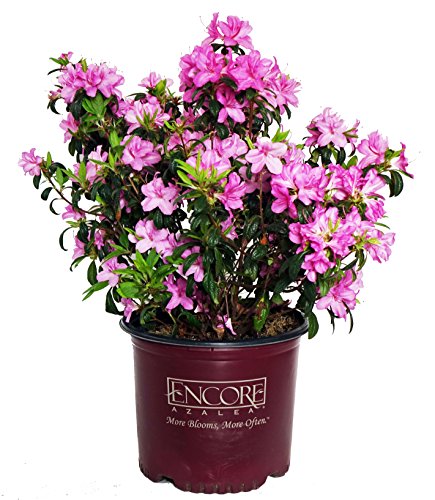
Perfect Plants Encore Azalea Autumn Twist
Encore azaleas bloom in spring and again in late summer through autumn, unusual for the genus and the main reason to choose one over a standard azalea. Autumn Twist carries white blooms streaked with purple. Dappled light and acidic soil under high tree canopy suit it best.
Pros
- Blooms twice in one growing season
- Keeps evergreen foliage in milder zones
- Bicolor flowers stand out from solid varieties
Cons
- Needs acidic soil to perform well
- Shallow roots dry out fast in summer heat

Perfect Plants Knock Out Rose Bush
Knock Out roses repeat bloom with far less spraying and deadheading than older rose varieties require. Resistance to black spot is the headline trait. One hard prune in late winter covers most of the annual maintenance, according to owner reports.
Pros
- Resists common rose diseases well
- Self cleans, so deadheading is not required
- Blooms from spring through the first frost
Cons
- Carries less fragrance than heirloom roses
- Needs one firm annual prune to stay compact
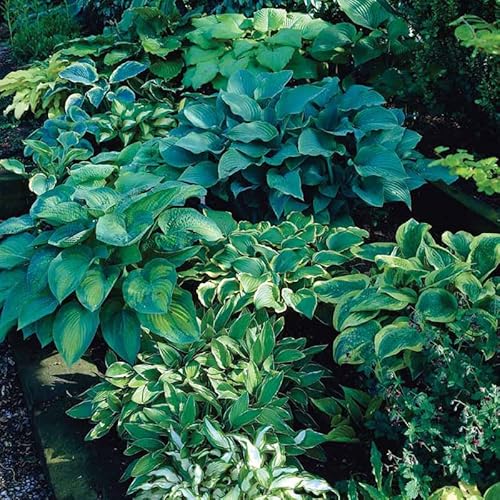
Van Zyverden Hosta Mixed Collection
Hostas fill shady beds fast, and a mixed bare root collection covers ground for less than potted plants cost. Leaf color ranges from blue green to variegated cream across the mix. They ship dormant, so a few weeks pass before any growth shows.
Pros
- Covers a large area for a low outlay
- Thrives in shade where flowering plants struggle
- Clumps divide easily after a few seasons
Cons
- Slugs and snails damage the leaves regularly
- Bare roots look lifeless when they arrive
How they stack up
| # | Model | Hardiness zones | Best for | Score | Price |
|---|---|---|---|---|---|
| 1 | Proven Winners Endless Summer BloomStruck Hydrangea | 4 to 9 | Best overall | 9.4 | Check price |
| 2 | Costa Farms Live Lavender Plant | 5 to 9 depending on variety | Best value | 9.2 | Check price |
| 3 | Fast Growing Trees Emerald Green Arborvitae | 3 to 8 | Best for privacy screening | 9.0 | Check price |
| 4 | Brighter Blooms Meyer Lemon Tree | 8 to 11 outdoors, container elsewhere | Best for patios | 8.8 | Check price |
| 5 | Perfect Plants Encore Azalea Autumn Twist | 6 to 10 | Best for shade borders | 8.6 | Check price |
| 6 | Perfect Plants Knock Out Rose Bush | 5 to 10 | Best low maintenance flowering shrub | 8.3 | Check price |
| 7 | Van Zyverden Hosta Mixed Collection | 3 to 9 | Best budget | 8.0 | Check price |
Frequently asked questions
Is it safe to order live plants online?
Yes, it is now standard practice for buying specific cultivars. Reputable nurseries wrap root balls and pack for transit. Order during mild weather when possible, since extreme heat or freezing in a delivery truck causes most arrival damage.
What does a hardiness zone number mean?
It reflects the average annual minimum winter temperature for an area. A plant rated to zone 5 typically survives winters where nights drop to around minus 20 degrees Fahrenheit. It says nothing about summer heat, humidity or rainfall.
When is the best time to plant outdoors?
Spring and early autumn both work well, since mild temperatures let roots establish without heat stress. Autumn planting suits trees and shrubs particularly in mild winter areas. Avoid planting during a heatwave or once ground has frozen.
Why does my new plant look wilted on arrival?
Transit stress causes leaf droop and some yellowing that usually clears within a week or two. Water it thoroughly, keep it out of harsh direct sun for a few days, and give it time. Bare root plants often look like sticks and are still viable.
Which live plants need the least maintenance?
Knock Out roses and Emerald Green arborvitae need the least once established, asking for little beyond an annual prune and normal rainfall in most regions. Lavender comes close if drainage is good.
Can any of these grow in containers?
Meyer lemon, lavender and hydrangea all do well in pots, and a container is essential for citrus outside warm zones. Use a pot at least twice the width of the root ball with clear drainage holes, and water containers more often than ground plantings.
How do I keep deer away from new plants?
Arborvitae and hostas are both deer favorites. Physical barriers work best, whether fencing or mesh guards around individual plants through the first winters. Repellent sprays help but need reapplying after rain.
How long does a privacy screen take to fill in?
Emerald Green arborvitae planted about three feet apart typically closes into a solid screen in three to five seasons, depending on soil and water. Planting closer speeds coverage but increases competition later.
Best live outdoor plants for a small patio?
Meyer Lemon Tree and Live Lavender both suit patio containers, since neither needs deep ground soil to thrive. A dwarf citrus in a large pot stays manageable in size for years.
Live plants vs seeds for a faster garden?
Live plants skip a full growing season of germination and seedling risk, and arrive close to their mature form already. Seeds cost less but take longer and fail more often outdoors.
Final word
For most yards, Proven Winners Endless Summer BloomStruck Hydrangea is the plant to order first, since it delivers color across a long season and shrugs off a late frost. Choose Costa Farms Live Lavender for hot, dry borders, and Fast Growing Trees Emerald Green Arborvitae when the goal is screening rather than flowers.
Sierra Daniels
Sierra's background is in landscape design and nursery retail. She focuses on lawn and garden equipment, outdoor furniture and gear durability, weighing published specs against how materials actually hold up outside.