6 Lawn Fertilizers That Green Grass Without Burning It
Scotts Turf Builder Lawn Food is the best all-around lawn fertilizer for most yards, feeding grass steadily while building thicker, greener turf. Milorganite is the top organic slow-release pick, and Miracle-Gro Water Soluble Lawn Food gives the fastest visible green-up.
Scotts Turf Builder Lawn Food is the fertilizer most homeowners should reach for first. Milorganite follows close behind for organic, low-burn feeding. Miracle-Gro Water Soluble Lawn Food wins when fast visible results matter most. Each one thickens grass and deepens color over a full season.
Lawn fertilizer is trickier than it looks because the wrong formula, or a heavy hand with the spreader, can scorch the grass instead of feeding it. We compared nutrient ratios, slow-release feeding, coverage per bag, and how forgiving each product is so you can green up your yard without burning it.
The best picks, ranked
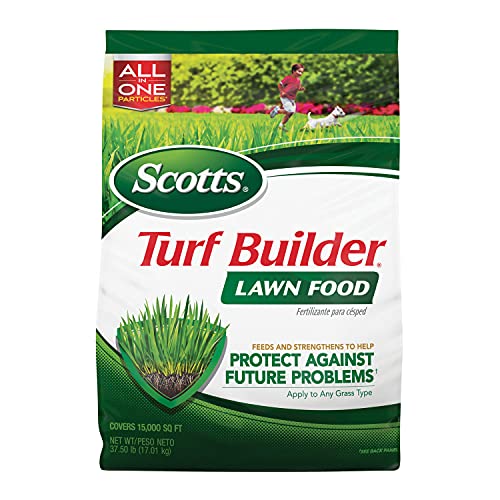
Scotts Turf Builder Lawn Food
Owners report thicker, greener grass within a couple of weeks of application. Slow-release nitrogen feeds the lawn steadily rather than in one quick burst. A coated formula is designed to resist burning even when passes overlap slightly.
Pros
- Thickens and greens most lawns
- Slow-release, low burn risk
- Works on all common grasses
Cons
- Needs a broadcast or drop spreader
- Synthetic, not an organic feed

Milorganite Slow-Release Nitrogen Lawn Fertilizer
A small amount of iron in this organic formula deepens color without triggering a growth surge. Owners say it is nearly impossible to burn the lawn with, which suits hands-off feeding. Nutrients release slowly, so results build over weeks rather than days.
Pros
- Very low burn risk
- Iron deepens color naturally
- Slow, steady organic feeding
Cons
- Lower coverage per bag
- Slower to show results than synthetics

Miracle-Gro Water Soluble Lawn Food
Mixing with a hose-end or watering can feeder gets nutrients to the roots fast. Owners report visible color improvement within days rather than weeks. Spot-feeding thin patches or delivering a mid-season boost is where this formula earns its keep.
Pros
- Fast, visible green-up
- Easy to spot-treat thin areas
- No spreader required
Cons
- Feeds for a shorter window
- Needs reapplication more often

Espoma Organic Lawn Food
Plant-based nutrients and beneficial microbes feed the soil along with the grass. Specifications point to steady, even growth from the slow-release formula. It is safe around kids and pets once the application has settled.
Pros
- Feeds soil microbes too
- Low burn risk
- Kid and pet friendly after use
Cons
- Slower visible results
- Can have an earthy smell at first

Jonathan Green Green-Up Lawn Fertilizer
Balanced nutrients support thick turf while pairing well with overseeding programs. Owners describe an even, uniform green-up across the whole yard. New grass establishes alongside existing turf without the harsher push of a high-nitrogen feed.
Pros
- Pairs well with overseeding
- Even, uniform green-up
- Large coverage per bag
Cons
- Aimed mainly at cool-season grass
- Requires a spreader

Simple Lawn Solutions Advanced Lawn Food
A hose-end liquid concentrate sprays an even feed across the lawn without a spreader. Owners use it as a supplemental feeding between granular applications. The balanced blend targets both color and root strength.
Pros
- Sprays on evenly, no spreader
- Good between granular feedings
- Supports color and roots
Cons
- Shorter feeding window
- Smaller coverage per bottle

Pennington UltraGreen Lawn Fertilizer
Added iron and micronutrients aim for an affordable, all-purpose green-up. Slow-release nitrogen feeds for weeks per the product specifications. Owners say it covers a lot of lawn for the price, even if the color boost is less dramatic than premium feeds.
Pros
- Affordable, large coverage
- Iron and micronutrients added
- Slow-release feeding
Cons
- Synthetic formula
- Color boost less dramatic than premium feeds
What matters most
What do the numbers on a fertilizer bag mean Three numbers on every bag show nitrogen, phosphorus, and potassium content. Nitrogen drives the green, leafy growth most people want, so a higher first number pushes top growth and color. Balanced blends support roots and overall health instead of chasing color alone. Match the ratio to your actual goal, whether that is deep color, thicker turf, or establishing new grass.
Slow-release or fast-acting: which feeds better Slow-release granular fertilizers feed steadily over weeks and are much harder to burn a lawn with, making them the safer everyday choice. Fast-acting, water-soluble feeds green things up within days but fade sooner and need more frequent reapplication. Many lawns do best with a slow-release base and an occasional liquid boost between feedings.
Which fertilizer matches your grass type and season Cool-season grasses like fescue and bluegrass feed best in spring and fall. Warm-season grasses such as Bermuda and zoysia prefer late spring through summer. Fertilizing at the wrong time wastes product and can stress an already struggling lawn. Check whether a product targets your grass type and time applications to its active growing season.
How to apply fertilizer without burning the lawn Uneven spreading is the top cause of striped, patchy results, so run a broadcast or drop spreader at the labeled setting and overlap passes slightly. Water most granular fertilizers in afterward to move nutrients to the roots and cut burn risk. Follow the coverage rate printed on the bag rather than guessing, since more product is not better.
The lineup, side by side
| # | Model | Form | Best for | Score | Price |
|---|---|---|---|---|---|
| 1 | Scotts Turf Builder Lawn Food | Granular | Best overall | 9.4 | Check price |
| 2 | Milorganite Slow-Release Nitrogen Lawn Fertilizer | Granular | Best organic | 9.1 | Check price |
| 3 | Miracle-Gro Water Soluble Lawn Food | Water soluble | Best for fast results | 8.9 | Check price |
| 4 | Espoma Organic Lawn Food | Granular | Best slow-release organic | 8.7 | Check price |
| 5 | Jonathan Green Green-Up Lawn Fertilizer | Granular | Best for new seeding | 8.5 | Check price |
| 6 | Simple Lawn Solutions Advanced Lawn Food | Liquid concentrate | Best liquid feed | 8.3 | Check price |
| 7 | Pennington UltraGreen Lawn Fertilizer | Granular | Best budget | 8.1 | Check price |
Good to know
How often should I fertilize my lawn?
Most lawns do well with feedings every six to eight weeks during the active growing season. Follow the schedule on the bag and adjust for your grass type, since over-fertilizing can burn the lawn and encourage thatch.
What do the three numbers on the bag mean?
They list the percentages of nitrogen, phosphorus, and potassium. Nitrogen drives green top growth, phosphorus supports roots and establishment, and potassium boosts overall hardiness.
Is organic or synthetic fertilizer better?
Organic feeds like Milorganite release slowly, feed the soil, and are very hard to burn with, but results show gradually. Synthetic feeds green up faster and cover more per bag. Many homeowners use a mix depending on their goals.
When is the best time to fertilize?
Feed cool-season grasses in spring and fall and warm-season grasses in late spring through summer, always during active growth. Avoid fertilizing dormant or heat-stressed lawns, since the grass cannot use the nutrients well.
Will fertilizer burn my grass?
It can if you apply too much, use a fast-release feed in the heat, or spread it unevenly. Slow-release formulas, correct spreader settings, and watering the product in afterward greatly reduce the risk.
Do I need to water after applying fertilizer?
Most granular fertilizers should be watered in so nutrients reach the roots instead of sitting on the blades and scorching them. Liquid feeds are already diluted, so check the label, which sometimes advises letting them dry first.
How much fertilizer do I need for my lawn?
Measure your lawn’s square footage and match it to the coverage rating on the bag. Using the labeled rate prevents both waste and burn, so it is worth measuring rather than estimating by eye.
Can I fertilize a new lawn or fresh seed?
Yes, but use a starter-style or balanced feed suited to establishment rather than a high-nitrogen green-up product. Gentle, slow-release formulas help new grass root in without overwhelming young seedlings.
What is the best lawn fertilizer for thin, patchy grass?
A slow-release, balanced feed such as Jonathan Green Green-Up works well alongside overseeding to fill in bare spots. Pair it with consistent watering, since fertilizer alone cannot thicken grass that is not getting enough moisture.
Our pick
For most yards, Scotts Turf Builder Lawn Food is the reliable choice, thickening grass and deepening color while staying forgiving to apply. Homeowners who want an organic, low-burn feed should reach for Milorganite, and anyone chasing a fast green-up will like Miracle-Gro Water Soluble Lawn Food. Match the nutrient ratio and timing to your grass, then spread it evenly and water it in for the best results.
Sierra Daniels
Sierra's background is in landscape design and nursery retail. She focuses on lawn and garden equipment, outdoor furniture and gear durability, weighing published specs against how materials actually hold up outside.