Top Internal Hard Drives for Every Setup and Budget
For most desktop users, the Seagate BarraCuda 2TB stands out as the best overall internal hard drive. It balances ample storage, reliable performance, and a budget-friendly price, making it ideal for general use and light gaming. Its main limitation is that it lacks the speed of an SSD, so boot times and game loads will be slower.
Choosing the right internal drive can be overwhelming with so many options. This guide breaks down the best HDDs and SSDs for every use case, from everyday computing to high-end gaming.
We analyzed specifications, user reviews, and value to help you make an informed decision. Whether you need massive storage or blazing speed, there is a drive here for you.
The best picks, ranked

Seagate BarraCuda 2TB Internal Hard Drive HDD
A reliable 7200 RPM HDD with a huge capacity at an unbeatable price. Owners report consistent performance for everyday storage and backups.
Pros
- Great value for the capacity
- Proven reliability
- Quiet operation
Cons
- Slower than SSDs
- Not ideal for gaming load times

WD Blue 1TB PC Internal Hard Drive
Entry-level drive with reliable performance for basic computing. Users appreciate its low cost and dependable day-to-day operation.
Pros
- Very affordable
- Trusted brand
- Good for basic storage
Cons
- Limited capacity
- No advanced features
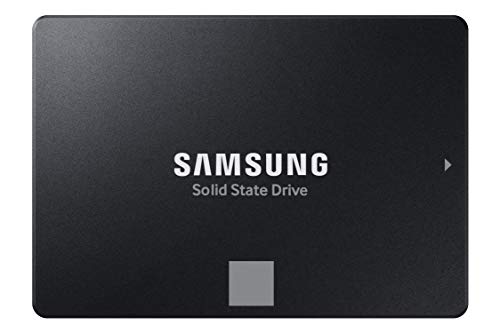
Samsung 870 EVO 1TB 2.5 Inch SATA III Internal SSD
A top-tier SATA SSD that maximizes speed for older systems. It delivers snappy boot times and fast application loads.
Pros
- Excellent performance
- High endurance
- Easy installation
Cons
- Pricier per GB than HDDs
- Not as fast as NVMe

WD Black 1TB Performance Desktop Hard Disk Drive
Designed for gamers and power users, this drive offers a 7200 RPM speed and dual-core processing for faster data transfers.
Pros
- High performance for HDD
- Durable build
- 5-year limited warranty
Cons
- Noisy under load
- Lower capacity than some
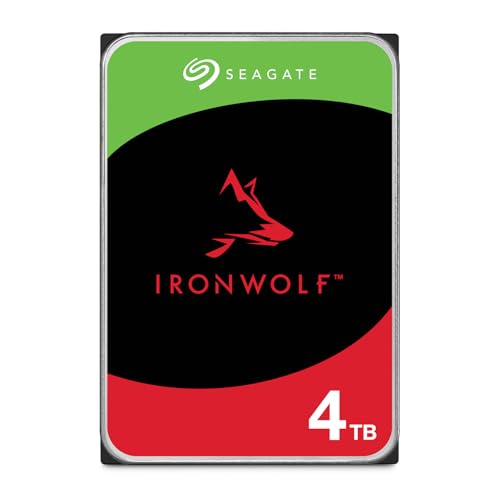
Seagate IronWolf 4TB NAS Internal Hard Drive
Built for network-attached storage, this drive handles 24/7 operation with ease. It includes AgileArray technology for optimized RAID performance.
Pros
- High capacity
- Reliable for NAS
- Error recovery control
Cons
- Slower than desktop drives
- Premium price
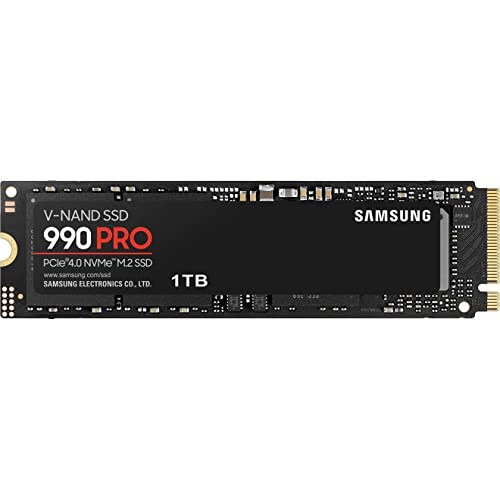
Samsung 980 PRO 1TB PCIe 4.0 NVMe M.2 Internal Gaming SSD
The ultimate in speed for gamers and creators, this NVMe SSD delivers blistering read and write speeds, making game loads instant.
Pros
- Exceptional speed
- Top-tier performance
- Compact M.2 form factor
Cons
- Requires PCIe 4.0 support
- Higher cost

WD Blue 3D NAND 1TB Internal PC SSD – SATA III
A budget-friendly SSD that offers a significant speed boost over HDDs. It is a solid choice for everyday computing and light gaming.
Pros
- Affordable SSD
- Reliable performance
- Good endurance
Cons
- Not as fast as NVMe
- Limited capacity options
How to pick the right one
How they stack up
| # | Model | Capacity | Best for | Score | Price |
|---|---|---|---|---|---|
| 1 | Seagate BarraCuda 2TB Internal Hard Drive HDD | 2TB | Best Overall | 9.4 | Check price |
| 2 | WD Blue 1TB PC Internal Hard Drive | 1TB | Best Budget | 8.9 | Check price |
| 3 | Samsung 870 EVO 1TB 2.5 Inch SATA III Internal SSD | 1TB | Best SATA SSD | 9.2 | Check price |
| 4 | WD Black 1TB Performance Desktop Hard Disk Drive | 1TB | Best for Gaming | 8.8 | Check price |
| 5 | Seagate IronWolf 4TB NAS Internal Hard Drive | 4TB | Best for NAS | 9.0 | Check price |
| 6 | Samsung 980 PRO 1TB PCIe 4.0 NVMe M.2 Internal Gaming SSD | 1TB | Best NVMe SSD | 9.5 | Check price |
| 7 | WD Blue 3D NAND 1TB Internal PC SSD – SATA III | 1TB | Best Value SSD | 8.7 | Check price |
Questions worth asking
What is the difference between HDD and SSD?
HDDs use spinning disks to read and write data, making them slower but more affordable per gigabyte. SSDs use flash memory, offering faster speeds, lower power consumption, and no moving parts, but they cost more.
How much storage do I need?
It depends on your usage. For basic tasks, 500GB is enough. Gamers often need 1TB or more for large titles. Media creators may require multiple terabytes. SSDs are best for OS and frequent applications, while HDDs can store large files.
Can I use an internal drive externally?
Yes, with an external enclosure or dock. These connect via USB, allowing you to use the drive with other devices. However, performance may be limited by the USB interface.
What is the lifespan of an internal hard drive?
HDDs typically last 3 to 5 years, depending on usage and conditions. SSDs have a longer lifespan based on write endurance, often exceeding 5 years for moderate use. Regular backups are recommended.
What does RPM mean in HDDs?
RPM stands for revolutions per minute, indicating how fast the platters spin. Higher RPM (7200) results in faster data access compared to 5400 RPM drives, which are quieter and more energy-efficient.
Is an NVMe SSD worth it over a SATA SSD?
Yes, for tasks that benefit from high sequential speeds like large file transfers, 4K video editing, and gaming. NVMe drives are significantly faster, but your motherboard must support PCIe 3.0 or 4.0. For everyday use, SATA SSDs are sufficient.
How do I know if my PC supports M.2 drives?
Check your motherboard’s specifications for an M.2 slot. It should list the size (e.g., 2280) and supported interface (SATA or NVMe). You can also open your case and look for a small slot on the motherboard.
What is cache and why does it matter?
Cache is a small amount of fast memory on the drive that stores frequently accessed data. A larger cache improves performance, especially for HDDs. SSDs use DRAM or HMB caching to enhance random read/write speeds.
Can I use a NAS drive in a desktop PC?
Yes, NAS drives like the Seagate IronWolf are compatible with desktop PCs. They are designed for 24/7 operation and have features like vibration resistance, making them reliable, though they may run slightly slower.
Our take
For most users, the Seagate BarraCuda 2TB is the best choice due to its balance of price and capacity. If you want speed for gaming or professional work, invest in the Samsung 980 PRO NVMe SSD. For a budget-friendly upgrade, the WD Blue 3D NAND SSD is the way to go.
Marcus Chen
Marcus covered consumer electronics for enthusiast tech publications for six years before joining ChoiceCrest. He specializes in translating manufacturer spec sheets into plain-language buying advice, with a focus on audio, computing accessories and smart-home gear.