Hydration Packs for Running, Biking and Day Hikes
The CamelBak Rogue Light leads this comparison as the most versatile hydration pack for hiking and running alike. Mountain bikers should look at the Osprey Raptor 10 for its tool pocket and helmet carry, while trail runners get a steadier fit from the no-bounce USWE Airborne 9.
The CamelBak Rogue Light earns the top spot because its 2 liter Crux reservoir and lightweight harness suit both hiking and running without the bulk of bike-specific packs. Its main limitation is storage, since the minimalist design carries less gear than larger day hiking packs.
We compared published reservoir size, pack capacity, bounce control and back panel design across each pack rather than wearing all seven on the trail ourselves.
How to pick the right one
What to look for in a hydration pack Reservoir or bladder size decides how much water a pack carries before needing a refill, typically between 1.5 and 3 liters for day use. Overall pack capacity matters beyond water, since some packs carry only a reservoir while others add room for food, layers and tools. Fit style, vest-style versus standard backpack straps, affects how much the pack bounces during running or aggressive riding.
Hydration packs for running versus biking Running-focused packs like the Nathan VaporAiress and USWE Airborne 9 use a close, vest-style or locking fit to minimize bounce at running speeds. Bike-specific packs like the Osprey Raptor 10 add a dedicated tool pocket and helmet carry that running vests skip entirely. Choosing based on the primary activity avoids paying for features, like bike tool storage, that go unused.
Minimalist hydration versus full day-hiking storage Minimalist packs like the CamelBak Rogue Light and CamelBak Classic focus on water capacity with little extra storage. Larger packs like the Teton Sports Oasis 1200 and Deuter Streamer 12 add compartments for food, layers and a first aid kit on longer outings. Short runs and rides rarely need that extra storage, while full-day hikes usually do.
Bounce control for high-intensity movement The USWE Airborne 9’s locking harness design keeps the pack stable during trail running and aggressive mountain biking better than standard shoulder straps. Vest-style packs like the Nathan VaporAiress achieve similar stability through a closer overall fit rather than a locking mechanism. Slower-paced hiking rarely generates enough bounce to need either specialized design.
Our top picks

CamelBak Rogue Light
A 2 liter Crux reservoir balances enough water for a half-day outing without adding excess weight. A breathable mesh harness reduces back sweat during both hiking and running efforts. Quick-stow loops hold trekking poles externally when hands are needed for scrambling or photos.
Pros
- Breathable harness suits both hiking and running efforts
- Quick-stow loops hold trekking poles externally
- Lightweight design avoids excess bulk
Cons
- Less storage capacity than full day hiking packs
- No bike-specific features like a tool pocket

Osprey Raptor 10
A dedicated tool pocket organizes a multi-tool, tube and tire levers separately from the main storage area. A magnetic tube trap holds the reservoir hose in place so it does not swing or catch on branches while riding. The included 2.5 liter reservoir and bike-specific storage add weight compared to running-focused vests.
Pros
- Dedicated tool pocket organizes bike repair gear separately
- Magnetic tube trap keeps the hose from swinging while riding
- Helmet carry attachment adds trailhead convenience
Cons
- Heavier than minimalist running or hiking packs
- Bike-specific features go unused for non-cycling activities
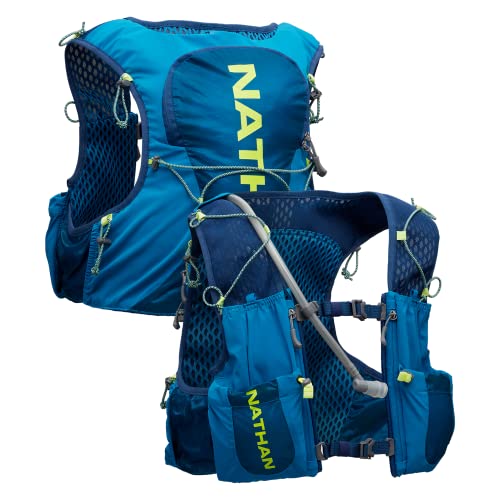
Nathan VaporAiress 7L Hydration Vest
A running-specific vest fit holds close to the body, reducing bounce compared to standard backpack-style hydration packs. The 7 liter capacity accepts either a bladder or soft flasks, giving runners flexibility in how they carry water. Adjustable sternum straps fine-tune the fit for a range of chest sizes during long runs.
Pros
- Close vest fit reduces bounce during running
- Accepts either a bladder or soft flasks for flexibility
- Adjustable sternum straps fit a range of chest sizes
Cons
- Lower storage capacity than dedicated hiking packs
- Less padding than packs designed for heavier loads
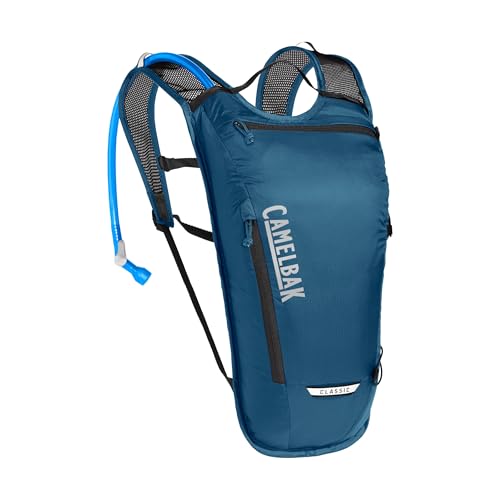
CamelBak Classic
A 2.5 liter reservoir covers a solid day outing at a price below premium bike or running-specific packs. A single main compartment keeps the design simple, without the organizational pockets found on pricier packs. The basic harness offers less ventilation than mesh-backed packs built for hot weather.
Pros
- Lower price than premium bike or running hydration packs
- Simple single-compartment design is easy to use
- 2.5 liter reservoir covers a full day outing
Cons
- Less back ventilation than mesh-backed premium packs
- Fewer organizational pockets than bike-specific designs

USWE Airborne 9
A patented harness design locks the pack against the body, reducing the bounce that standard shoulder-strap packs develop during running or aggressive mountain biking. A 9 liter capacity holds extra layers or snacks beyond just a reservoir. The locking harness feels more restrictive than loose-fitting packs during slower-paced hikes.
Pros
- Locking harness reduces bounce during running and biking
- 9 liter capacity holds extra gear beyond water
- Stays stable during aggressive, fast-paced movement
Cons
- Feels more restrictive than loose packs during slow hikes
- Bladder sold separately on some bundle configurations

Teton Sports Oasis 1200
A larger capacity around 1200 cubic inches holds a full day’s hiking gear alongside the included hydration bladder. Multiple separate compartments organize food, layers and a first aid kit instead of one large main pocket. The increased storage and frame add more weight than minimalist running or biking hydration packs.
Pros
- Larger capacity holds a full day’s hiking gear
- Multiple compartments organize food and extra layers
- Included bladder saves a separate purchase
Cons
- Heavier than minimalist running or biking hydration packs
- Bulkier profile than close-fitting running vests

Deuter Streamer 12
A 12 liter capacity holds more layers and snacks than standard hydration-focused packs, suited to longer day hikes or light overnight use. A ventilated back panel reduces sweat buildup during sustained climbing. Side stretch pockets hold a trekking pole or extra water bottle outside the main compartment.
Pros
- 12 liter capacity suits longer day hikes or light overnight use
- Ventilated back panel reduces sweat during climbs
- Side stretch pockets hold a trekking pole or bottle
Cons
- Bladder sold separately rather than included
- Bulkier than minimalist hydration-only packs
Compared at a glance
| # | Model | Reservoir Size | Best for | Score | Price |
|---|---|---|---|---|---|
| 1 | CamelBak Rogue Light | 2 liters | Best Overall | 8.9 | Check price |
| 2 | Osprey Raptor 10 | 2.5 liters, included | Best for Mountain Biking | 8.7 | Check price |
| 3 | Nathan VaporAiress 7L Hydration Vest | 7 liters | Best for Trail Running | 8.6 | Check price |
| 4 | CamelBak Classic | 2.5 liters, included | Best Budget | 8.1 | Check price |
| 5 | USWE Airborne 9 | 9 liters | Best for No-Bounce Stability | 8.5 | Check price |
| 6 | Teton Sports Oasis 1200 | Approximately 1200 cubic inches | Best for Day Hiking Storage | 8.4 | Check price |
| 7 | Deuter Streamer 12 | 12 liters | Best for Multi-Day Capacity | 8.3 | Check price |
Good to know
What size reservoir should a hydration pack have?
Most day-use packs in this comparison use reservoirs between 2 and 2.5 liters, enough for a half-day to full-day outing.
What is the best hydration pack for mountain biking?
The Osprey Raptor 10 suits mountain biking best, with a dedicated tool pocket and helmet carry attachment.
Do hydration packs bounce while running?
Standard packs can. The USWE Airborne 9 and Nathan VaporAiress both use designs built specifically to reduce bounce.
What is the most affordable hydration pack?
The CamelBak Classic offers a 2.5 liter reservoir and simple design at a lower price than bike or running-specific packs.
Can a hydration pack carry more than water?
Larger packs like the Teton Sports Oasis 1200 and Deuter Streamer 12 include compartments for food, layers and gear beyond water.
What hydration pack is best for trail running?
The Nathan VaporAiress suits trail running well, with a close vest fit and compatibility with either a bladder or soft flasks.
Do all hydration packs include a bladder?
Not always. The Deuter Streamer 12 and some USWE Airborne 9 bundles sell the bladder separately from the pack.
What is the lightest hydration pack in this comparison?
The CamelBak Rogue Light uses a minimalist design that keeps weight lower than bike-specific or full day-hiking packs.
Is a vest-style hydration pack better than a standard backpack style?
Vest-style packs like the Nathan VaporAiress fit closer to the body, reducing bounce, while standard packs often carry more gear.
Our take
Most hikers and casual runners get the best overall balance from the CamelBak Rogue Light, since it covers water needs without excess bulk. Mountain bikers should skip it for the Osprey Raptor 10 instead, which adds bike-specific tool storage and a helmet carry. Trail runners focused on speed should choose the USWE Airborne 9 for its no-bounce locking harness.
Sierra Daniels
Sierra's background is in landscape design and nursery retail. She focuses on lawn and garden equipment, outdoor furniture and gear durability, weighing published specs against how materials actually hold up outside.