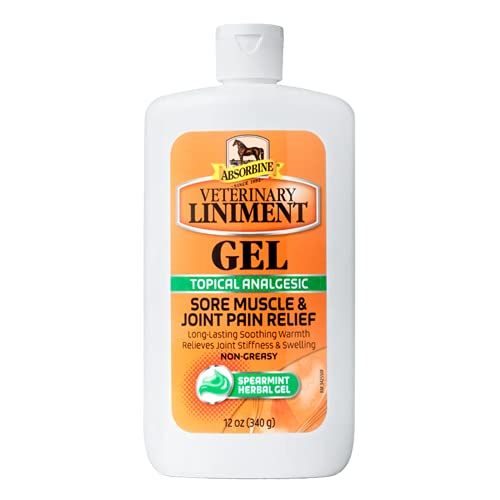
Horse Health Supplies: Joint, Coat, and Wound Care Compared
Farnam Red Cell serves as the strongest general vitamin and mineral base for daily feeding. Kentucky Performance Products Summit Joint Support leads for horses in regular work or advancing in age. Manna Pro Bio-Bloom PS takes the top spot for coat and hoof quality alongside routine supplementation.
Farnam Red Cell, Kentucky Performance Products Summit Joint Support, and Manna Pro Bio-Bloom PS lead this comparison of horse health supplies sold on Amazon. Each covers a different piece of daily care, from baseline vitamins to joint maintenance to coat condition. Most barns combine two or three of these rather than relying on just one.
Labels use overlapping terms like support and condition without explaining dosage or ingredient sourcing, which makes comparison tricky. We compared listed ingredients, container sizes, feeding directions, and owner feedback on Amazon. Products are sorted by the real decision a buyer faces: daily maintenance, joint care, coat and hoof quality, topical wound treatment, or weight and hydration support.
The top picks, ranked
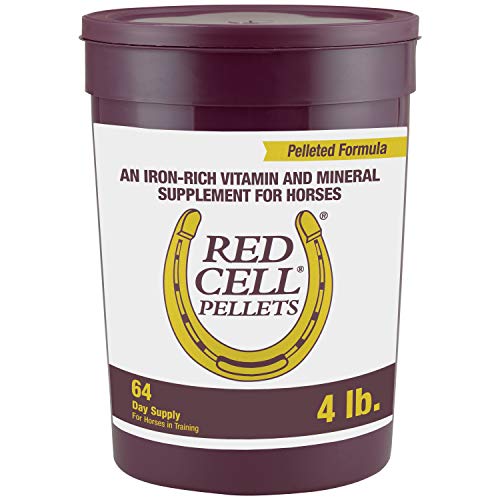
Farnam Red Cell Horse Vitamin/Mineral Supplement
This liquid concentrate delivers iron plus vitamins A, D3, E, and B12 in a molasses-flavored base most horses accept mixed into grain. Farnam positions it as a general nutritional supplement rather than a targeted joint or coat product. Many owners layer other supplements on top of this base rather than using it alone.
Pros
- Molasses flavor mixes into grain without much refusal
- Works as a base supplement alongside joint or coat products
- Larger gallon size lowers the cost per feeding
Cons
- Liquid form can stain buckets and barn floors
- Does not address joint or hoof-specific needs on its own
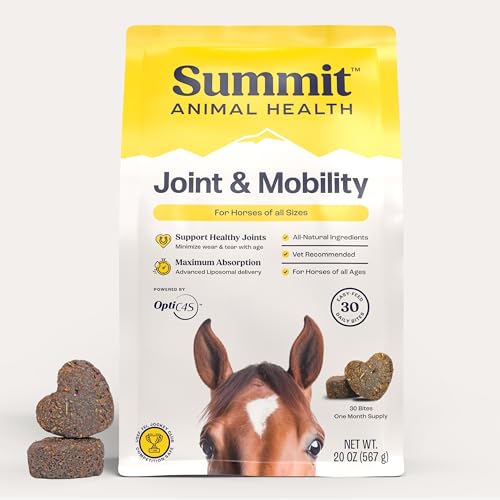
Kentucky Performance Products Summit Joint Support
Glucosamine, MSM, and hyaluronic acid combine in a pelleted top-dress aimed at horses in regular work or advancing in age. Kentucky Performance Products lists it as a joint maintenance formula, not a treatment for existing lameness. Owners typically pair it with a base vitamin supplement instead of feeding it alone.
Pros
- Pelleted form reduces dust compared to loose powder
- Combines three joint-support ingredients in one scoop
- Suited to horses in consistent riding or competition schedules
Cons
- Costs more per serving than single-ingredient joint products
- No coat, hoof, or digestive ingredients included

Manna Pro Bio-Bloom PS Coat Supplement
Biotin pairs with flaxseed-derived omega fatty acids and zinc here, aimed at coat shine and hoof horn quality. Manna Pro positions it as a skin, coat, and hoof formula rather than a general vitamin base. Results depend on consistent daily feeding over several weeks, not a single dose.
Pros
- Flaxseed base adds omega fatty acids beyond biotin alone
- Pelleted texture blends easily into most grain rations
- Sized for barns feeding just one or two horses
Cons
- Coat and hoof changes take weeks to become visible
- Smaller bag size means more frequent reordering for large barns

Absorbine Silver Honey Wound Care Spray
Silver and manuka honey combine in a spray hydrogel meant for minor cuts, scrapes, and skin irritation. Absorbine markets it for everyday skin care rather than deep wounds needing veterinary attention. A spray applicator keeps hands off the affected area during use.
Pros
- Spray format avoids direct hand contact with irritated skin
- Manuka honey base stays moist longer than dry powders
- Compact bottle fits in a first aid kit or tack trunk
Cons
- Not intended for deep wounds needing veterinary care
- Smaller bottle empties quickly with daily use on larger areas

Horse Health Bigeloil Liniment
Menthol gives this liquid liniment its cooling effect when rubbed onto legs and muscles after work or before wrapping. Horse Health Products has sold the formula for decades as a topical rub, not an ingested supplement. Diluted per label directions, a single bottle covers many applications.
Pros
- Low price per bottle relative to other topical products
- Menthol scent signals coverage during application
- Works well as a brace under standing wraps
Cons
- Strong scent lingers on hands and grooming tools
- Liquid form requires careful pouring to avoid waste

Durvet Su-Per Weight Gain Supplement
Fat sources and amino acids anchor this powder top-dress, built for horses that need to add condition. Durvet markets it toward underweight or hard-keeping horses rather than as a daily maintenance vitamin. It supplements regular grain rather than replacing forage.
Pros
- Targets weight gain more directly than general vitamin blends
- Powder mixes into most grain without extra prep
- Tub size suits single-horse feeding programs
Cons
- Not intended for horses that already hold weight well
- Weight changes take several weeks of consistent feeding
Grand Meadows Grand Electrolytes
Sodium chloride, potassium chloride, and calcium make up this powder blend for horses in work or hot weather. Grand Meadows lists it as hydration support used during or after exercise, not a daily vitamin base. It dissolves into water or top-dresses onto grain depending on preference.
Pros
- Lower cost per serving than single-purpose joint or coat products
- Dissolves in water for horses that will not eat dry powder
- Useful during travel, hot weather, or increased workload
Cons
- Does not address coat, joint, or wound care needs
- Overuse without adequate water access can backfire
How to choose
What to look for in horse health supplies Start with the horse’s actual gaps rather than reaching for a general multivitamin first. A working horse on quality hay may only need joint or electrolyte support, while one on sparse pasture may need a fuller vitamin base. Check the label for feeding rate per body weight, not just ingredient names. Larger tubs cost less per serving, but only pay off with consistent feeding.
Joint support vs coat and hoof supplements Joint formulas built on glucosamine and MSM target cartilage and connective tissue in horses under regular work. Coat and hoof supplements lean on biotin, zinc, and omega fatty acids instead, aimed at horn quality and shine. These two ingredient groups rarely overlap, so a horse with both concerns often needs separate products fed together. Older, active horses frequently need budget for both.
Best supplements for senior or working horses Senior horses commonly need joint support first, since cartilage wear increases with age and workload. Working horses in regular competition benefit from that same glucosamine and MSM combination, plus electrolytes during hot-weather training. Hard keepers, whether senior or young, may need a weight-gain top-dress instead of a joint formula. Match the product to the horse’s job, not just its age.
Wound care and topical products for everyday use Every barn benefits from a topical spray or liniment for minor scrapes and post-exercise soreness. Silver and manuka honey formulas suit small cuts and skin irritation that do not require a veterinary visit. Menthol liniments serve a different purpose, easing tightness in legs and muscles rather than treating broken skin. Keeping both types on hand covers more everyday situations.
How they stack up
| # | Model | Form | Best for | Score | Price |
|---|---|---|---|---|---|
| 1 | Farnam Red Cell Horse Vitamin/Mineral Supplement | Liquid concentrate | Best overall | 9.4 | Check price |
| 2 | Kentucky Performance Products Summit Joint Support | Pelleted powder, top-dress | Best for joint support | 9.1 | Check price |
| 3 | Manna Pro Bio-Bloom PS Coat Supplement | Pelleted supplement | Best for coat and hoof | 8.8 | Check price |
| 4 | Absorbine Silver Honey Wound Care Spray | Spray hydrogel | Best for wound care | 8.5 | Check price |
| 5 | Horse Health Bigeloil Liniment | Liquid liniment | Best value | 8.3 | Check price |
| 6 | Durvet Su-Per Weight Gain Supplement | Powder top-dress | Best for weight gain | 8.1 | Check price |
| 7 | Grand Meadows Grand Electrolytes | Powder | Best budget | 8.0 | Check price |
Questions worth asking
What horse health supplies does every barn need?
Most barns keep a base vitamin and mineral supplement, a topical wound spray, and either a joint or electrolyte product depending on workload. Beyond that, needs shift based on age, diet, and how often the horse is ridden.
How do joint supplements help older horses?
Glucosamine and MSM formulas are marketed to support joint comfort and mobility as cartilage wears with age. They work as ongoing maintenance rather than a one-time fix, with results building over weeks of consistent feeding.
Which supplement is best for a dull coat?
Biotin and omega fatty acid blends, like Manna Pro Bio-Bloom PS, target coat shine and hoof horn quality directly. Diet and overall health also affect coat condition, so a supplement works best alongside good forage.
Can horse supplements be added to regular grain?
Yes, most powders and pellets are designed as top-dressings mixed directly into a grain ration. Liquid supplements like Red Cell mix in too, though some horses need a few days to accept the taste.
Is Red Cell good for all horses?
Red Cell works as a general vitamin and mineral base suited to most adult horses on standard diets. Horses with specific joint, coat, or weight concerns typically need an additional targeted supplement alongside it.
What is the difference between electrolytes and vitamin supplements?
Electrolytes replace sodium, potassium, and other minerals lost through sweat during exercise or hot weather. Vitamin and mineral supplements cover broader daily nutrition needs and stay in the diet regardless of workload.
How often should wound care spray be applied?
Label directions on products like Absorbine Silver Honey typically call for one to two applications daily until the area improves. Deep or non-healing wounds should go to a veterinarian rather than relying on topical spray alone.
Are horse health supplements safe for daily use?
Products formulated for daily feeding, like joint, coat, and vitamin supplements, are designed for ongoing use per label directions. Liniments and wound sprays work best as-needed rather than as a continuous daily application.
Horse joint supplement vs weight gain supplement: which comes first?
Joint supplements address mobility and cartilage wear, while weight gain formulas target underweight or hard-keeping horses regardless of joint health. A horse can need both at once, though feeding directions should be checked for overlap in ingredients.
Our take
Farnam Red Cell covers general daily nutrition, Kentucky Performance Products Summit Joint Support handles joint maintenance for active or senior horses, and Manna Pro Bio-Bloom PS rounds out coat and hoof care. Most barns end up combining two or three of these seven products based on the horse’s age, workload, and diet.
Olivia Hartley
Olivia spent several years working at an animal shelter and a pet-supply retailer before joining the editorial team. She researches pet gear with an emphasis on safety, comfort and the fine print that owners often miss.