Home Alarm Systems Compared: Monitoring, Setup and Cost
The Ring Alarm 8-Piece Kit leads for its wide sensor catalogue and optional month-to-month professional monitoring. SimpliSafe’s 8 Piece system is the proven value pick with strong cellular backup. Anyone chasing deep smart home control should look at the Abode Smart Security Kit instead.
A DIY alarm kit is only the starting point, not the finished system. Ring’s 8-Piece Kit earns the top spot here for a wide sensor catalogue, simple self installation, and monitoring that skips a long contract. SimpliSafe’s 8 Piece system trails close behind on value, and Abode wins for households that want the alarm tied into smart locks and lights.
Running costs and expansion parts decide whether a kit actually fits a house, more than the box contents do. Too few door and window sensors leaves gaps, no cellular backup means a cut broadband line disables the system, and self monitoring only helps when someone answers the alert. We weighed sensor coverage, monitoring contracts, backup power, and smart home reach based on specifications and what owners report about false alarms and expandability.
The shortlist, ranked

Ring Alarm 8-Piece Kit
Ring gets the basics right with quick self installation and a keypad that the whole household actually uses. Its base station carries battery backup and adds cellular backup once a monitoring plan is active. A wide range of add-on sensors and cameras share one app, so the system grows alongside the house.
Pros
- Wide catalogue of compatible sensors and cameras
- Monitoring stays optional with no long contract
- Cameras and alarm sensors live in one app
Cons
- Cellular backup requires a paid monitoring plan
- Camera ecosystem locks you into Ring hardware

SimpliSafe 8 Piece Wireless Home Security System
SimpliSafe effectively created the modern DIY monitored alarm, and the maturity shows. Sensors pair reliably at range, and the base station siren is genuinely loud enough to interrupt an intrusion. Self monitoring exists but stays limited, so the value case here assumes an active subscription.
Pros
- Long-established, well-regarded monitoring service
- Sensors pair reliably across typical home distances
- Base station siren is louder than most rivals
Cons
- Self monitoring features trail behind Ring’s app
- Smart home integration covers fewer third-party devices
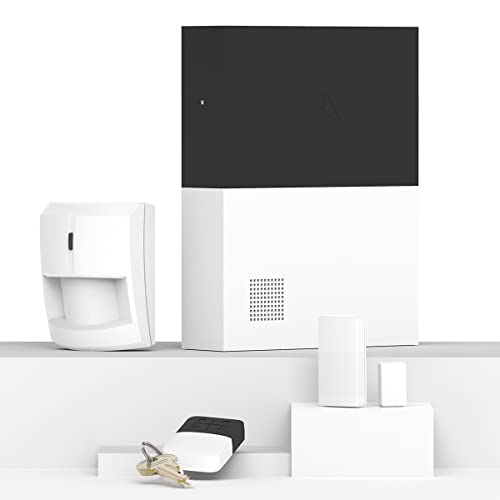
Abode Smart Security Kit
Abode’s gateway speaks multiple protocols, including Zigbee and Z-Wave, so third-party locks and lights join the system instead of getting locked out. A built-in rules engine can arm or disarm the alarm based on other smart home events. That flexibility comes with a steeper setup process than mainstream kits.
Pros
- Works with a wide range of third-party devices
- Rules engine automates arming and disarming
- Monitoring available on demand, not just by contract
Cons
- Setup takes more effort than mainstream kits
- Support community is smaller than Ring or SimpliSafe
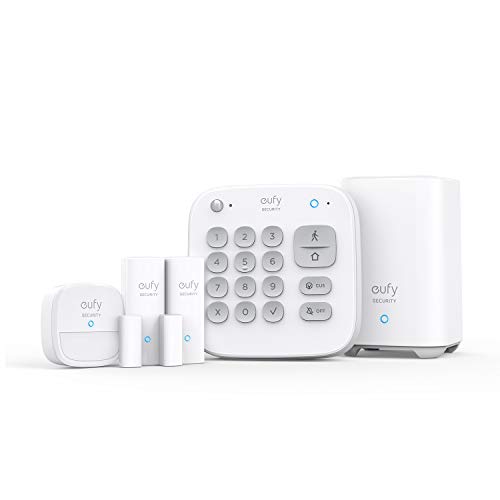
eufy Security 5-Piece Home Alarm Kit
eufy applies the same local-storage philosophy from its cameras to this alarm kit, skipping a mandatory subscription entirely. The HomeBase doubles as hub and siren, and paired eufy cameras store footage locally rather than in the cloud. No professional monitoring option exists, so alerts depend entirely on the household responding.
Pros
- No monthly fee for core alarm function
- Paired camera footage stores locally, not in the cloud
- Integrates cleanly with the rest of the eufy lineup
Cons
- No professional monitoring option at any price
- Alerts rely entirely on someone checking the app

Kangaroo Home Security System
Kangaroo targets apartments with adhesive sensors that stick on rather than screw in, and the whole kit packs down easily during a move. Its motion sensor doubles as a door chime, and setup takes minutes without tools. Sensor variety trails the larger systems, a fair trade for the portability.
Pros
- Installs and removes without leaving damage
- Setup takes minutes with no tools required
- Low-cost monitoring plan available if wanted
Cons
- Fewer sensor types than larger competing systems
- Adhesive mounts can fail on textured walls

Wyze Home Monitoring Core Kit
Wyze prices its hardware low and makes money mainly on a monitoring plan that undercuts established competitors by a wide margin. Sensors stay basic but functional, and the system links to other Wyze cameras inside the same app. Fewer sensor types and thinner support reflect that lower price.
Pros
- Cheapest route to professional monitoring in this group
- Works inside the broader Wyze camera ecosystem
- Setup process stays simple for first-time users
Cons
- Sensor catalogue is smaller than rival ecosystems
- Support experience is more basic than premium brands

YoLink Smart Home Security Alarm Kit
YoLink swaps Wi-Fi for long-range LoRa radio, reaching outbuildings, garages, and far corners of a property where other systems drop sensors. Alarm features stay more basic than mainstream kits, and the app favors function over polish. Coverage distance, not smart features, is the problem this system solves.
Pros
- Long-range radio reaches sensors far from the house
- Sensor battery life outlasts most Wi-Fi competitors
- Pairs with YoLink leak and valve devices too
Cons
- Alarm features are more basic than mainstream kits
- No mainstream professional monitoring option available
What to look for
How many sensors does a home security kit need? Count every external door, ground-floor window, and any window a person could reach, then add motion coverage for hallways and landings. Most starter kits ship with fewer contact sensors than a typical house actually needs. The honest cost is the kit price plus whatever extra sensors close those gaps. A wide sensor catalogue, like Ring’s or Abode’s, lets a system grow later instead of forcing a second purchase.
Is professional monitoring worth it over self monitoring? Self monitoring means an app notification and a siren, and nothing further happens unless someone acts on it. Professional monitoring adds a monitoring center that attempts contact and can dispatch emergency services. That distinction matters most overnight, while traveling, or whenever nobody can answer a phone. Most DIY systems now bill monitoring month to month, so it can switch on for a trip and off afterward.
What happens if the power or internet goes out? Base stations carry battery backup, so an alarm keeps running locally through a power outage. Cellular backup gives the system a second path to the monitoring center when broadband drops or gets cut deliberately. Both usually come bundled with a paid monitoring plan rather than the hardware alone. Self monitored systems without cellular typically queue alerts until the connection returns.
How do you reduce false alarms? Mount motion sensors away from heating vents, direct sunlight, and windows, all common triggers for false alerts. Pet owners should choose pet-immune sensors rated for their animal’s weight, since cats that climb often defeat that threshold anyway. Entry delays long enough for a normal arrival prevent a scramble at the door. Give each household member a separate code, then test the whole system monthly, including the siren.
The lineup, side by side
| # | Model | Kit | Best for | Score | Price |
|---|---|---|---|---|---|
| 1 | Ring Alarm 8-Piece Kit | Base, keypad, contact and motion sensors, range extender | Best overall | 9.4 | Check price |
| 2 | SimpliSafe 8 Piece Wireless Home Security System | Base, keypad, entry and motion sensors | Best value | 9.2 | Check price |
| 3 | Abode Smart Security Kit | Multiple, including Zigbee and Z-Wave | Best for smart home integration | 9.0 | Check price |
| 4 | eufy Security 5-Piece Home Alarm Kit | HomeBase, keypad, entry and motion sensors | Best without a subscription | 8.8 | Check price |
| 5 | Kangaroo Home Security System | Adhesive, no tools | Best for renters | 8.6 | Check price |
| 6 | Wyze Home Monitoring Core Kit | Hub, keypad, entry and motion sensors | Best budget monitored option | 8.3 | Check price |
| 7 | YoLink Smart Home Security Alarm Kit | LoRa long range | Best for large properties | 8.0 | Check price |
Questions worth asking
Do I need professional monitoring or is self monitoring enough?
Self monitoring suits households where someone reliably sees and acts on notifications. Professional monitoring covers the gaps, including overnight and travel, and can dispatch emergency responders. A practical middle ground is self monitoring day to day and paid monitoring during trips.
Can I install a home alarm system myself?
Yes, every system in this group is built for it. Sensors stick on or take two screws, and pairing happens through an app in minutes. A typical house takes an afternoon including placement and testing.
What happens if the power or internet goes out?
Battery backup in the base station keeps the alarm running locally during an outage. Systems with cellular backup keep reporting to the monitoring center even without internet. Without cellular, remote alerts pause until the connection returns, though the siren still sounds.
How many sensors does an average home need?
A typical three-bedroom house needs sensors on every external door, all reachable windows, and motion coverage for main hallways. That usually exceeds what a starter kit includes. Price the base kit plus the additional sensors together before comparing systems.
Will an alarm system work with my smart home devices?
It depends on the ecosystem chosen. Abode supports the widest range of protocols and voice platforms, while Ring integrates closely with Alexa. eufy and Wyze mostly stay within their own device lineups, so check compatibility before committing.
Do home alarm systems work with pets?
Yes, with pet-immune motion sensors mounted at the correct height and angle. Manufacturers publish a weight threshold below which an animal will not trigger the sensor. Cats that climb furniture are the usual exception, since height defeats that assumption.
How loud should an alarm siren be?
Louder matters more than most buyers expect going in. An internal siren makes staying in the house unpleasant for an intruder, often ending things quickly, and an external sounder alerts neighbors. Check whether the siren ships built into the base station or as a separate add-on.
Can I take a DIY alarm system with me when I move?
Most DIY systems are designed to move, unlike professionally installed alarms wired into the walls. Adhesive-mounted kits like Kangaroo peel off cleanly, while screw-mounted sensors leave small holes to patch. Update the address on any monitoring plan before arming the system at a new home.
Is a home alarm system worth it without a monitoring contract?
It still works without a contract, since the base station, keypad, and siren function locally on their own. What disappears without monitoring is dispatch to emergency services and remote contact attempts. Systems like eufy are built around that no-subscription approach from the start.
Our take
Ring’s 8-Piece Kit remains the sensible default, since its sensor range covers nearly any house and monitoring switches on only when needed. SimpliSafe’s 8 Piece system is the alternative worth a look for its mature monitoring service and louder base siren. Anyone who wants the alarm woven into a wider smart home should start with the Abode Smart Security Kit instead.
Marcus Chen
Marcus covered consumer electronics for enthusiast tech publications for six years before joining ChoiceCrest. He specializes in translating manufacturer spec sheets into plain-language buying advice, with a focus on audio, computing accessories and smart-home gear.


