Hiking shirts ranked by fabric weight and UPF
Columbia Silver Ridge Lite leads on nylon ripstop, a mesh lined back vent and UPF 40 fabric. Patagonia Capilene Cool Daily suits humid climbs on a light recycled polyester knit. Pack Smartwool Merino 150 for multi day trips, where odour resistance outranks drying speed.
Columbia Silver Ridge Lite fits the widest range of day hikes. Nylon ripstop dries fast and shrugs off brush and rock. Mesh lined back venting dumps heat on sustained climbs, while UPF 40 fabric keeps both forearms covered. Woven cloth barely stretches, so scramblers often prefer a knit instead.
Three failure modes matter on trail: trapped sweat, day two odour, and burnt forearms. We compared fabric composition, weight per square yard, stated UPF ratings, venting design and sleeve hardware across woven and knit styles. Owner reports on shrinkage, seam rub under a pack strap and smell after several days set the final order.
Our top picks

Columbia Silver Ridge Lite Long Sleeve Shirt
Nylon ripstop keeps weight low and survives contact with brush and granite. Mesh lined back venting pushes warm air out during sustained climbs. Roll up tabs hold the sleeves at the elbow, and two chest pockets take a map or phone without a pack stop.
Pros
- Back vent moves air on long ascents
- Ripstop weave resists snags from brush
- Sleeve tabs convert it for warm afternoons
Cons
- Woven fabric offers almost no stretch
- Loose cut flaps in strong wind

Patagonia Capilene Cool Daily Shirt
Recycled polyester jersey near 3.4 ounces per square yard moves sweat outward quickly. An odour control finish stops a humid forest climb from ending with a shirt you have to bag. Knit stretch follows your shoulders under pack straps, which a woven button up cannot match.
Pros
- Dries fast after a sweaty ascent
- Knit stretch avoids binding at the shoulders
- UPF 50 plus covers exposed ridgelines
Cons
- Thin face fabric snags on thorny brush
- No pockets of any kind
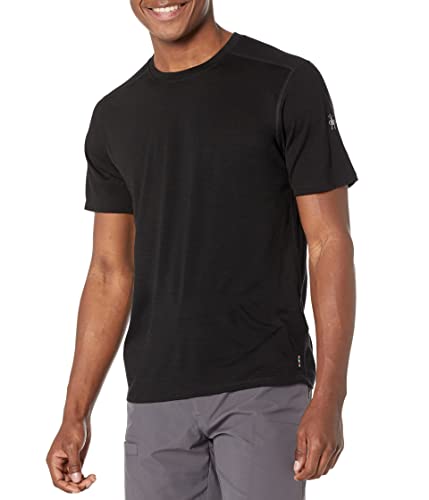
Smartwool Merino 150 Short Sleeve
Merino near 150 grams per square metre holds off odour far longer than polyester, which is why thru hikers keep rebuying it. Smartwool spins the wool around a nylon core, adding tear strength pure wool lacks. Drying takes longer than a synthetic knit, so treat this as a trip shirt rather than a downpour shirt.
Pros
- Stays wearable several days without washing
- Regulates warmth across cool mornings and hot afternoons
- Nylon core lifts durability above pure wool
Cons
- Slower to dry than polyester knits
- Thin merino wears through at pack contact points

Outdoor Research ActiveIce Spectrum Sun Hoodie
Hood and thumb loops cover the spots sunscreen always misses: ears, neck and the backs of the hands. ActiveIce treated polyester elastane feels cool against damp skin on desert and alpine traverses. Riding a hood under a pack lid takes adjustment, so test the combination before a long exposed day.
Pros
- One garment covers neck, ears and hands
- Cooling finish suits dry desert heat
- Stretch knit allows scrambling and climbing moves
Cons
- Hood bunches under a tall pack lid
- Runs warmer than a plain tee in humidity

KUHL Airspeed Long Sleeve Shirt
Collar and button front carry this one from trailhead to town without reading as gear. Stretch nylon with ventilation panels keeps it usable on warm approach hikes. Weight sits above the Capilene and the Merino 150, so it earns its place on trips that include travel days.
Pros
- Looks presentable in a town restaurant
- Collar shields the back of the neck
- Structured cloth holds shape after a pack day
Cons
- Heavier than every knit shirt here
- Buttons and collar trap heat at midday

BALEAF UPF 50+ Long Sleeve Shirt
Polyester and spandex deliver stretch plus a rated UPF 50 plus fabric, the two jobs a sun shirt has to do. Thumbholes pull the cuffs over the backs of the hands on open trail. Cloth runs thinner than premium options, so heavy pack days shorten its working life.
Pros
- High UPF rating at entry level outlay
- Thumbholes keep sleeves down over the hands
- Stretch blend moves well on uneven ground
Cons
- Holds odour faster than merino
- Thin knit pills where straps rub

Under Armour Tech 2.0 Short Sleeve
Loose polyester knit wicks well and survives constant machine washing. Cut runs roomier than a training fit, leaving space for a light base layer in shoulder season. No UPF rating appears on the label, which rules it out for long days above treeline.
Pros
- Dries quickly after rain or sweat
- Roomy cut layers over a base shirt
- Holds colour and shape through frequent washes
Cons
- No UPF rating for exposed terrain
- Polyester odour builds within one day
How to choose
What to look for in a hiking shirt Fabric type, weight and UPF rating decide most of the outcome. Weights between roughly 3 and 5 ounces per square yard breathe best in summer heat. Check seam placement too: a shoulder seam sitting under a pack strap rubs raw over long miles, and flatlock stitching reduces that risk. Colour is a genuine trade off, since dark shades absorb heat but hide trail dirt between washes.
Merino vs synthetic: which fabric suits your trips Polyester and nylon win on drying speed and abrasion resistance. Merino wins on odour, and that single factor decides multi day trips. Smartwool Merino 150 stays wearable across several days; a polyester tee sours in one. Blends split the difference, and the nylon core in Smartwool yarn adds durability wool alone lacks. For hikes an hour from home, synthetic remains the sensible default.
How much sun protection do you actually need UPF describes how much ultraviolet a fabric blocks, and 40 to 50 plus covers exposed hiking. Long sleeves beat sunscreen on reapplication alone. Sun hoodies such as the Outdoor Research ActiveIce extend cover to neck and ears. Shaded forest trails rarely demand more than an unrated short sleeve like the Under Armour Tech 2.0. Desert rim walks and alpine ridges change that calculation completely.
Best hiking shirt for multi day trips and travel days Humid summer day hikes reward drying speed, so the Capilene Cool Daily fits. A week on trail flips the priority to odour, which means merino. Hot exposed traverses favour a hooded sun shirt over any plain tee. Hikers who fly, hike and eat out in the same week get more from the KUHL Airspeed. Buyers on a tight budget can cover the sun requirement with the BALEAF and accept a shorter lifespan.
Compared at a glance
| # | Model | Fabric | Best for | Score | Price |
|---|---|---|---|---|---|
| 1 | Columbia Silver Ridge Lite Long Sleeve Shirt | 100 percent nylon ripstop | Best overall | 9.4 | Check price |
| 2 | Patagonia Capilene Cool Daily Shirt | Recycled polyester jersey knit | Best for hot, humid hikes | 9.2 | Check price |
| 3 | Smartwool Merino 150 Short Sleeve | Merino wool with nylon core spun yarn | Best for multi day trips | 9.0 | Check price |
| 4 | Outdoor Research ActiveIce Spectrum Sun Hoodie | Polyester elastane blend, ActiveIce treated | Best sun protection | 8.8 | Check price |
| 5 | KUHL Airspeed Long Sleeve Shirt | Nylon woven with stretch | Best woven button up | 8.5 | Check price |
| 6 | BALEAF UPF 50+ Long Sleeve Shirt | Polyester spandex blend | Best budget | 8.3 | Check price |
| 7 | Under Armour Tech 2.0 Short Sleeve | 100 percent polyester knit | Best value | 8.0 | Check price |
Common questions
What should you look for in a hiking shirt?
Quick drying fabric, a UPF rating for exposed terrain, venting or a light knit for airflow, and seams placed away from pack strap contact. Skip cotton, which holds water and chills you once the wind picks up.
Is merino or synthetic better for hiking?
Synthetic dries faster and costs less, which suits day hikes. Merino resists odour for days, which matters on backpacking trips. Wool nylon blends such as the Smartwool Merino 150 sit between the two.
Are long sleeve hiking shirts better than short sleeve?
For sun exposure, yes. Long sleeves deliver constant UV cover without reapplying sunscreen and keep brush off your forearms. In shaded humid forest, short sleeves run cooler and cover the need fine.
What does UPF 50 mean on a shirt?
It indicates the fabric blocks roughly 98 percent of ultraviolet radiation. Anything from UPF 40 to 50 plus suits alpine and desert hiking. Unrated fabrics still block some UV, but nobody has measured how much.
Can you hike in a cotton t shirt?
On a short warm walk, yes. Over longer distances, cotton soaks up sweat, chafes under a pack and cools you fast if weather turns. Synthetic or merino stays the safer default.
Which hiking shirt is best for hot weather?
Patagonia Capilene Cool Daily, because its light recycled polyester jersey moves sweat quickly and carries a UPF 50 plus rating. In dry desert heat, a hooded sun shirt keeps more skin covered.
Is a sun hoodie worth it over a plain long sleeve?
Above treeline and in desert canyons, yes. Hood and thumb loops cover ears, neck and hands, the three spots sunscreen gets missed. Under forest canopy the extra fabric mostly adds heat.
How many hiking shirts should you pack for a multi day trip?
Two usually works with merino: one hiking shirt and one dry sleep shirt. With polyester, most hikers add a third past three days, because odour builds quickly in synthetic knits.
How should a hiking shirt fit under a backpack?
Close enough that fabric does not bunch under the shoulder straps, loose enough to let air move across your back. Raise both arms in the fitting room; a hem that pulls out of your waistband is cut too short.
Do hiking shirts shrink in the wash?
Synthetics hold their size. Merino can shrink on a hot cycle or in a tumble dryer, so wash cool and dry flat. Care labels matter far more with wool than with nylon or polyester.
Final word
Buy the Columbia Silver Ridge Lite first. Vented ripstop plus UPF 40 fabric covers more trail conditions than anything else here, at the cost of stretch. Backpackers out for several days should take the Smartwool Merino 150 instead, since odour beats drying speed as a problem by day three. On exposed desert terrain, the Outdoor Research ActiveIce hoodie protects skin no collar reaches.
Sierra Daniels
Sierra's background is in landscape design and nursery retail. She focuses on lawn and garden equipment, outdoor furniture and gear durability, weighing published specs against how materials actually hold up outside.