How to Pick a Hiking Backpack for Long Days Outdoors
The Osprey Atmos AG 65 leads for multi-day trekking with its ventilated Anti-Gravity suspension. Heavier loads suit the Gregory Baltoro 65 and its rigid frame. Day hikers get a lighter, more compact carry from the Osprey Talon 22.
Fit and frame decide how a pack performs long before liter count does. Loaded with three to five nights of gear, the Osprey Atmos AG 65 stays the most ventilated option here. Day hikers who want less bulk should start with the Osprey Talon 22 instead.
Liter capacity alone says little about how a pack rides once loaded with water, food and shelter. We compared frame type, hip belt design, hydration sleeve placement and owner reports on how each pack holds up after repeated trail miles.
Our top picks

Osprey Atmos AG 65
Anti-Gravity mesh wraps the back panel and hip belt, keeping the load ventilated and off the spine on long climbs. A 65 liter main compartment handles three to five nights of gear without overstuffing. Adjustable torso length keeps the fit stable even across uneven, rocky sections, according to owner reports.
Pros
- Ventilated suspension cuts back sweat on climbs
- Adjustable torso length fits a range of heights
- Integrated rain cover skips a separate purchase
Cons
- Heavier than minimalist frameless packs
- More pack than trips under two nights need

Gregory Baltoro 65
A rigid perimeter frame and stiff hip belt carry weight low and close to the hips, which matters once a loaded pack passes 35 pounds. A removable daypack lid doubles as a standalone summit pack. The frame takes longer to dial in at first but holds that fit trip after trip, owners note.
Pros
- Handles heavier loads without the hip belt slipping
- Removable lid works as a separate summit pack
- Adjustable frame holds its fit over repeated trips
Cons
- Bulkier and heavier than lighter frame packs
- Initial fitting takes more time and effort

Osprey Talon 22
At 22 liters, this daypack carries water, layers and snacks without the bulk of an overnight frame. A trampoline style back panel keeps air moving on warm days. Trekking pole and ice axe attachments come in handy even on trips that use neither, owners find.
Pros
- Very light for a fully featured daypack
- Ventilated back panel suits warm weather trails
- External hydration access skips opening the main bag
Cons
- Too small to carry overnight gear
- Hip belt offers less support under heavier loads
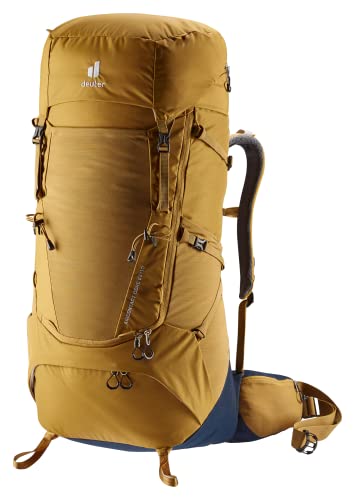
Deuter Aircontact Lite 65+10
A zippered extension collar adds roughly 10 liters when a trip runs long, useful for resupply stops or extra cold weather layers. The Aircontact back system trades some ventilation for closer, more stable weight transfer. Owners describe the hip belt as unusually adjustable across wider or narrower frames.
Pros
- Expandable collar adds room for longer trips
- Hip belt adjusts to fit a wider range of bodies
- Stable carry even when the load sits unevenly
Cons
- Less back ventilation than mesh suspension designs
- Heavier than similarly sized competitors

Kelty Redwing 50
A panel loading main compartment opens like a suitcase, making gear buried at the bottom easier to reach than a top loading design allows. Internal frame stays keep the load stable across weekend trips. Owners consistently mention it costs noticeably less than comparable packs from premium brands.
Pros
- Panel loading simplifies packing and access
- Lower cost than similarly featured packs
- Removable frame stays suit airline travel
Cons
- Suspension is less ventilated than premium mesh designs
- Hip belt padding feels less refined on long days

Teton Sports Scout 3400
An internal steel frame and padded hip belt bring basic load support to a pack priced well below most competitors here. A rain cover ships included rather than sold separately. Owners treat it as a solid first backpacking pack before upgrading to something lighter.
Pros
- Lowest price point among full frame packs here
- Detachable daypack adds extra versatility
- Rain cover included at no added cost
Cons
- Heavier materials than premium fabric packs
- Suspension feels less refined on very long days

Osprey Kestrel 48
An AirScape foam back panel channels airflow across the spine, a noticeable difference on humid or high heat trails. At 48 liters it splits the difference between a weekend pack and a full expedition load. Hikers moving through warm regions rate the ventilation above every other feature, owners report.
Pros
- Ventilated back panel suits hot, humid trails
- Mid size capacity fits weekend to multi-day trips
- Integrated rain cover comes standard
Cons
- Less structured support than rigid frame packs
- Smaller hip belt padding than load hauling designs
What matters most
What size hiking backpack do you actually need? Liters measure total volume, and trip length drives that number more than anything else. A weekend needs 40 to 50 liters, three to five nights closer to 60 to 70, and week long trips push past 70. Buying oversized just in case usually means carrying more weight than the trip requires.
How does frame type change carrying comfort? Internal frames use stays or a plastic sheet against the back to transfer weight to the hips, standard on nearly every modern hiking pack. External frames still exist for very heavy, irregular loads but ride further from the body. Suspended mesh back panels add ventilation at the cost of a slightly less stable carry.
Do hiking backpacks include hydration and rain protection? Most packs in this range include an internal sleeve sized for a 2 to 3 liter reservoir, with a hose port near one shoulder. A few route the hose externally for faster refills mid hike. Integrated rain covers save a separate purchase, though a pack liner still protects gear better in sustained downpours.
Which pack suits hot trails or heavy loads specifically? Hot, humid trails favor a ventilated mesh suspension over a closer riding frame that traps heat. Loads over 35 pounds need a stiffer frame and firmer hip belt to avoid pressure points. Short day hikes rarely need more than a lightweight 20 to 25 liter pack with basic hydration access.
The lineup, side by side
| # | Model | Capacity | Best for | Score | Price |
|---|---|---|---|---|---|
| 1 | Osprey Atmos AG 65 | 65 liters | Best overall | 9.4 | Check price |
| 2 | Gregory Baltoro 65 | 65 liters | Best for heavy loads | 9.2 | Check price |
| 3 | Osprey Talon 22 | 22 liters | Best for day hikes | 9.0 | Check price |
| 4 | Deuter Aircontact Lite 65+10 | 65 liters, expandable to 75 | Best for extended treks | 8.7 | Check price |
| 5 | Kelty Redwing 50 | 50 liters | Best value | 8.4 | Check price |
| 6 | Teton Sports Scout 3400 | 55 liters main plus 10-liter daypack | Best budget | 8.1 | Check price |
| 7 | Osprey Kestrel 48 | 48 liters | Best for warm-climate hiking | 8.0 | Check price |
Questions worth asking
What size backpack do you need for a weekend hike?
A two to three night trip typically needs 40 to 50 liters, enough for a sleeping bag, shelter and food without extra bulk. Shorter overnight trips can work with packs closer to 35 liters if gear is compact.
How many liters is a good day hike backpack?
Most day hikes work well with 18 to 25 liters, room for water, layers, snacks and basic first aid. Anything larger usually goes unused and adds unnecessary weight to the trail.
Do hiking backpacks come with a rain cover included?
Many mid-range and premium packs include an integrated, stow-away rain cover, though budget models sometimes ship without one. A separate pack liner still protects gear better in prolonged, heavy rain.
What is the difference between internal and external frame packs?
Internal frames sit against the back with stays or a frame sheet, standard on virtually every modern pack. External frames carry the load further from the body and suit very heavy, irregular loads like hauling gear into base camp.
How should a hiking backpack fit across the hips?
The hip belt should sit on top of the hip bones, carrying roughly 80 percent of the load there rather than on the shoulders. Torso length, not overall height, determines the correct frame size.
Can you fit a hydration reservoir in any hiking backpack?
Most packs from major outdoor brands include a dedicated hydration sleeve, but reservoir size and hose port placement vary. Check the stated maximum reservoir size before assuming a 3-liter bladder will fit.
How much weight can a hiking backpack safely carry?
Frame type sets the practical ceiling: lightweight frames handle roughly 30 to 35 pounds comfortably, while load-hauling frames manage 40 pounds or more. Exceeding the recommended load strains the hip belt and stitching over time.
Are heavier hiking backpacks always more durable?
Not always. Heavier packs often use thicker fabric and stiffer frames, which does add durability, but high-denier ripstop nylon on lighter packs can match that toughness at a lower weight. Denier rating and reinforced stress points matter more than raw weight.
Is a 65 liter pack too big for a three day trip?
Not necessarily. A 65 liter pack fits three to five nights comfortably, and packing it only half full for a shorter trip is normal. Compression straps cinch the load down so it does not shift around inside a partly empty bag.
Our pick
The Osprey Atmos AG 65 balances ventilation, adjustability and capacity well enough for most multi-day hikers. Heavier loads call for the Gregory Baltoro 65 and its sturdier frame. Day hikers who never carry overnight gear are better served by the lighter Osprey Talon 22.
Derek Holt
Derek has a background coaching recreational and amateur athletes and has worked the sales floor at specialty fitness retailers. He focuses on equipment durability, ergonomics and realistic use cases rather than marketing claims.