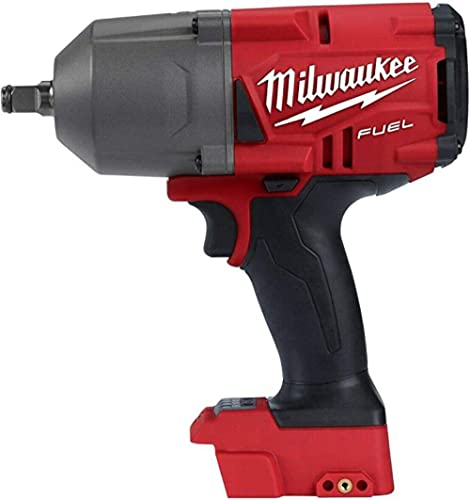
Heavy-Duty Reciprocating Saws That Cut Through Anything
For most heavy work, the Milwaukee 2722-20 M18 FUEL Sawzall leads because it combines raw cutting speed with low vibration and a rafter hook. It suits plumbers, electricians, and demo crews who need relentless power in tight spaces. Its main limitation is the cost of the bare tool, which does not include a battery or charger.
A heavy-duty reciprocating saw is the workhorse of any demolition kit. It tears through wood, metal, and even masonry when fitted with the right blade. The best models balance raw power with control, so you can cut for hours without your arms going numb.
This guide covers corded and cordless options from leading brands. We focus on models that are built to last, with features like variable speed triggers, tool-free blade changes, and anti-vibration systems. Whether you are a professional or a serious homeowner, these saws will handle the toughest jobs.
What we recommend

Milwaukee 2722-20 M18 FUEL Sawzall with QUIK-LOK
Milwaukee’s M18 FUEL Sawzall is a cordless beast. It delivers up to 3,000 strokes per minute and a 1-1/8 inch stroke, making quick work of thick lumber and metal. Its POWERSTATE brushless motor and REDLINK PLUS intelligence provide optimal power and protection. The anti-vibration system reduces fatigue, and the QUIK-LOK blade clamp lets you swap blades without tools. Owners report it feels balanced and cuts as well as many corded saws, but it is heavy at 8.5 pounds with a battery.
Pros
- Excellent cutting speed and power
- Low vibration reduces hand fatigue
- Tool-free blade change
Cons
- Bare tool, battery and charger sold separately
- Heavy with a high-capacity battery

DEWALT 20V MAX XR Reciprocating Saw (DCS369B)
The DEWALT DCS369B is a compact yet powerful reciprocating saw. It has a brushless motor that delivers up to 3,200 strokes per minute, and its short 11.5 inch length makes it ideal for working in cramped spaces. The variable speed trigger and keyless blade clamp offer control and convenience. Users appreciate its light weight and maneuverability, though the shorter stroke length (1-1/8 inch) may not be as aggressive as full-size models.
Pros
- Compact design for tight areas
- High speed for a small saw
- Lightweight and easy to control
Cons
- Shorter stroke may require more passes
- Bare tool only
DEWALT 13 Amp Corded Reciprocating Saw (DWE305)
The DEWALT DWE305 is a corded reciprocating saw that never runs out of battery. Its 13 amp motor delivers up to 3,000 strokes per minute, and the 1-1/8 inch stroke length provides fast cuts. It features a 4-position blade clamp for flush cutting and a keyless blade change. The adjustable shoe helps control depth. While it offers consistent power, the cord limits mobility, and some users find it heavy at 8.8 pounds.
Pros
- Continuous power with no battery downtime
- 4-position blade clamp for flush cuts
- Adjustable shoe for depth control
Cons
- Cord can be restrictive
- Heavier than cordless models

Makita XRJ05Z 18V LXT Brushless Recipro Saw
Makita’s XRJ05Z is a brushless reciprocating saw that emphasizes control. It has a variable speed trigger and a constant speed control to maintain speed under load. The AVT (Anti-Vibration Technology) reduces vibration significantly, making long cuts more comfortable. It features a tool-less blade change and a built-in LED light. Owners say it is well balanced and quieter than many competitors, but it is a bare tool and requires Makita batteries.
Pros
- Anti-vibration technology for comfort
- Constant speed under load
- Built-in L.E.D. light
Cons
- Bare tool, battery not included
- Slightly lower max speed

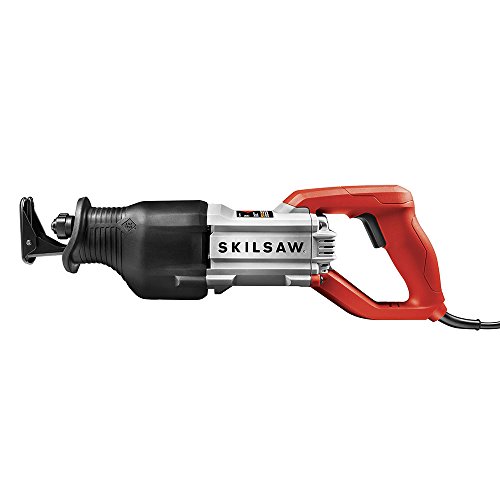
Skilsaw SPT44-11 15 Amp Corded Reciprocating Saw
The Skilsaw SPT44-11 is a corded saw built for brutal demolition. Its 15 amp motor is the most powerful on this list, delivering up to 3,000 strokes per minute with a 1-1/4 inch stroke. It has a rugged design with a magnesium gear housing and a heavy-duty blade clamp. The vibration is manageable, but it is heavy at 10.5 pounds. This saw is for those who need maximum power and don’t mind the cord.
Pros
- Highest power in its class
- Durable magnesium housing
- Long stroke for aggressive cutting
Cons
- Heavy and tiring for overhead work
- Cord limits portability

PORTER-CABLE PCC670B 20V MAX Reciprocating Saw
The PORTER-CABLE PCC670B is an affordable cordless reciprocating saw that still performs well. It has a 20V motor that delivers up to 3,000 strokes per minute and a 1-1/8 inch stroke. It is lightweight at 6.4 pounds, making it easy to handle. The tool-free blade change and variable speed trigger add convenience. While it lacks the premium features of higher-end models, it is a solid choice for occasional heavy use.
Pros
- Budget-friendly price
- Lightweight and easy to maneuver
- Tool-free blade change
Cons
- Brushed motor less efficient
- Bare tool only
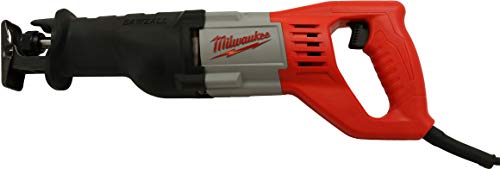
MILWAUKEE 6519-31 13 Amp Corded Sawzall
Milwaukee’s 6519-31 is a corded Sawzall known for its low vibration. It features a counterbalanced mechanism that reduces vibration by up to 50% compared to earlier models. The 13 amp motor delivers up to 3,000 strokes per minute, and the 1-1/4 inch stroke provides fast cutting. It has a tool-free blade clamp and an adjustable shoe. Users report that it is smoother to operate than many other corded saws, though it is still heavy.
Pros
- Outstanding vibration reduction
- Powerful 13 amp motor
- Tool-free blade change
Cons
- Heavier than some cordless models
- Corded only
How to choose
How they compare
| # | Model | Motor | Best for | Score | Price |
|---|---|---|---|---|---|
| 1 | Milwaukee 2722-20 M18 FUEL Sawzall with QUIK-LOK | Brushless POWERSTATE | Best Overall for Professionals | 9.4 | Check price |
| 2 | DEWALT 20V MAX XR Reciprocating Saw (DCS369B) | Brushless | Best Compact Cordless for Tight Spaces | 9.1 | Check price |
| 3 | DEWALT 13 Amp Corded Reciprocating Saw (DWE305) | 13 Amp | Best Corded for Continuous Use | 9.0 | Check price |
| 4 | Makita XRJ05Z 18V LXT Brushless Recipro Saw | Brushless | Best for Reduced Vibration and Control | 8.9 | Check price |
| 5 | Skilsaw SPT44-11 15 Amp Corded Reciprocating Saw | 15 Amp | Best for Heavy-Duty Demolition | 8.8 | Check price |
| 6 | PORTER-CABLE PCC670B 20V MAX Reciprocating Saw | Brushed | Best Budget Cordless Option | 8.5 | Check price |
| 7 | MILWAUKEE 6519-31 13 Amp Corded Sawzall | 13 Amp | Best Corded for Vibration Control | 8.7 | Check price |
Good to know
What is the main difference between a corded and cordless reciprocating saw?
Corded saws provide continuous power and are often more powerful, but they restrict movement. Cordless saws offer portability and convenience, but battery life limits runtime. Choose based on your work environment and need for mobility.
How do I choose the right blade for my reciprocating saw?
Select blades based on the material. For wood, use a blade with 6 to 10 teeth per inch (TPI). For metal, use a blade with 14 to 24 TPI. For demolition, use a carbide-tipped blade. Always match the blade length to the saw’s stroke length.
Can a reciprocating saw cut concrete or masonry?
Yes, with a carbide-grit or diamond blade designed for masonry. However, these cuts are slower and produce a lot of dust. It is often better to use a specialized cut-off saw for large masonry jobs.
What is the advantage of a brushless motor in a reciprocating saw?
Brushless motors are more efficient, generating more power and longer runtime per charge. They also have fewer moving parts, which increases durability and reduces maintenance. Many premium cordless saws feature brushless motors.
How do I reduce vibration when using a reciprocating saw?
Use a saw with anti-vibration technology, such as a counterbalanced mechanism. Additionally, maintain a firm grip, use both hands, and let the saw do the work. Avoid forcing the blade, as that increases vibration.
What is the best stroke length for a reciprocating saw?
A longer stroke (1-1/4 inch) is better for fast cutting of thick materials. A shorter stroke (1-1/8 inch) allows for more control and is easier to use in tight spaces. Most heavy-duty saws have a 1-1/8 to 1-1/4 inch stroke.
Can I use a reciprocating saw for pruning trees?
Yes, with a wood pruning blade. Reciprocating saws are effective for cutting branches up to 6 inches thick. Use a blade with large teeth and a longer length for easier reach.
Do all reciprocating saws have tool-free blade changes?
Most modern saws have a tool-free blade clamp, allowing you to insert and remove blades without a wrench. Some older or budget models may require an Allen wrench. Check the product specifications.
What safety gear should I wear when using a reciprocating saw?
Always wear safety glasses to protect against debris. Hearing protection is recommended due to loud noise. Gloves improve grip and protect hands. If cutting metal, consider a face shield to catch sparks.
How do I maintain my reciprocating saw?
Keep the air vents clean to prevent overheating. Lubricate the blade clamp occasionally. Check the power cord for damage if corded. For cordless, store batteries in a cool, dry place and charge them regularly to maintain health.
Our take
If you are a professional who needs a reliable cordless saw, the Milwaukee 2722-20 M18 FUEL Sawzall is the clear winner, offering the best combination of power, speed, and reduced vibration. For those who prefer corded power for non-stop work, the DEWALT DWE305 is a dependable choice. If budget is a concern, the PORTER-CABLE PCC670B provides solid performance without breaking the bank. Choose the Milwaukee if you want the best overall tool; choose the DEWALT corded if you need continuous power; but for most heavy users, the Milwaukee’s cordless freedom is worth the investment.
Jake Monroe
Jake worked as a residential contractor for over a decade before shifting to full-time writing. He evaluates power tools, hand tools and workshop gear through the lens of someone who has actually used them on job sites, not just read the box.